Doomsday Myths: The Legends That Shape Our Reality
Introduction to Doomsday Myths
Doomsday myths encompass a wide array of narratives and beliefs about catastrophic events that could lead to the end of the world or significant societal collapse. These myths have played a pivotal role in shaping cultural identities and societal behaviors throughout history. They often reflect humanity’s fears, hopes, and moral lessons, influencing how communities respond to crises and changes over time.
From ancient prophecies to contemporary fears, doomsday myths serve as a mirror to our collective psyche, revealing the anxieties that underpin our understanding of existence and the future. They often foster a sense of urgency and can inspire both action and inaction, depending on how they are interpreted.
Historical Origins of Doomsday Myths
Many early civilizations developed apocalyptic beliefs that explained the universe’s cyclical nature or warned of divine retribution. These myths often served to justify societal norms or political structures.
- The Mayans: The Mayan civilization is perhaps best known for their calendar, which some interpreted as predicting the end of the world in December 2012. This belief stemmed from a misunderstanding of their complex calendar systems, but it sparked global fascination with apocalyptic prophecies.
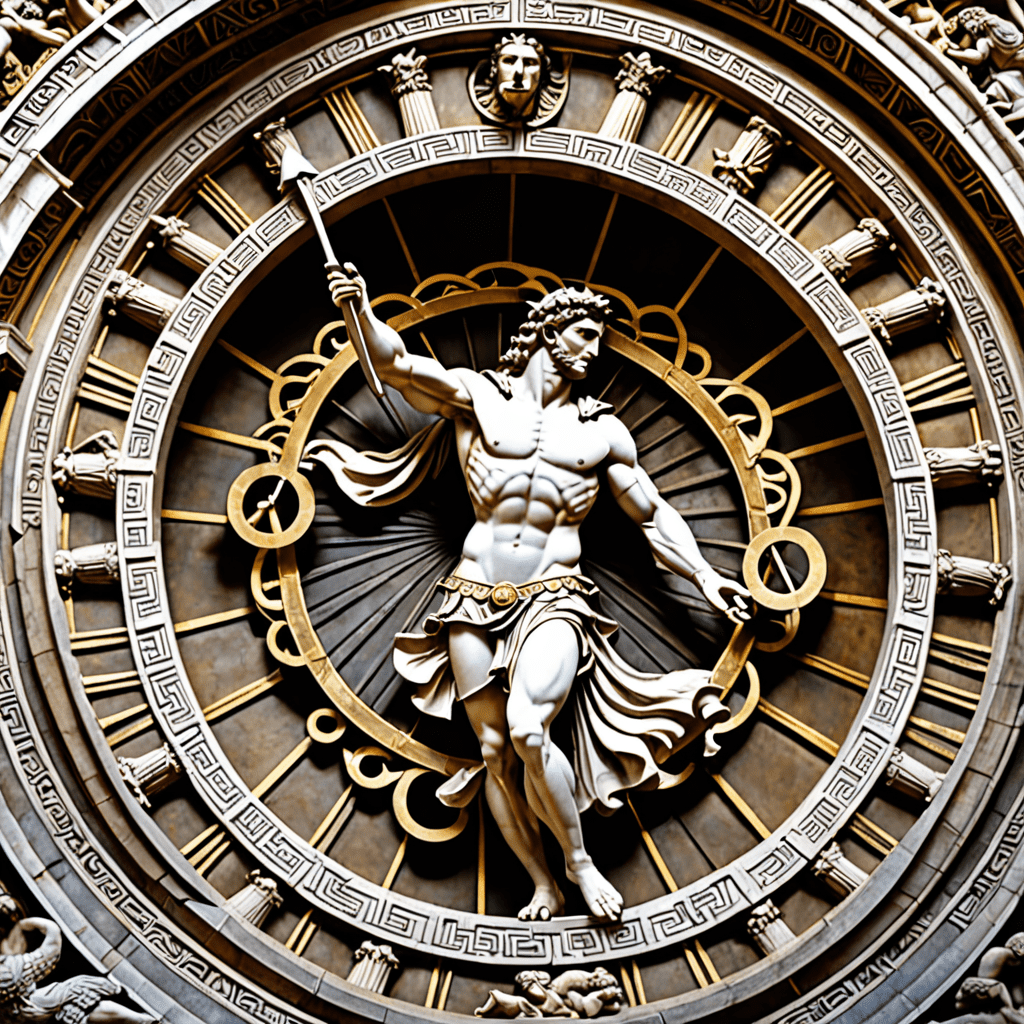
- The Ancient Greeks: Greek mythology included tales of catastrophic events, such as the Titanomachy, which illustrated the struggle for power among gods and led to the reshaping of the world. These stories mirrored human conflicts and the concept of cyclical destruction and rebirth.
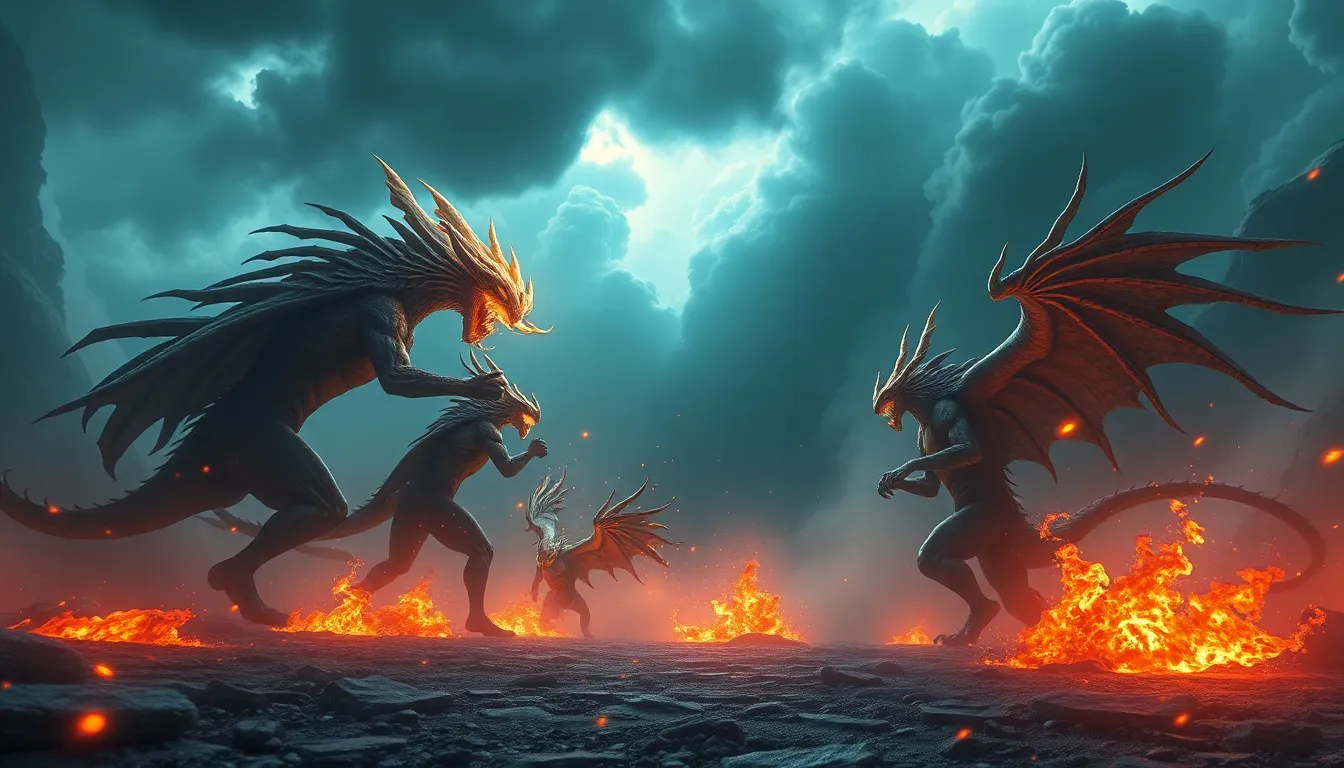
- Norse Ragnarök: In Norse mythology, Ragnarök signifies the end of the world through a series of events, including battles and natural disasters. This myth encapsulated the idea of inevitable fate and transformation, a theme prevalent in many cultures.
The Role of Religion in Doomsday Myths
Religious texts often contain apocalyptic narratives that shape followers’ beliefs and expectations about the end times. These stories serve as moral guides and warnings against moral decay.
- Christian Eschatology: The Book of Revelation describes the end of the world with vivid imagery of destruction, judgment, and the eventual establishment of a new heaven and earth. This narrative has significantly influenced Western thought about the apocalypse.
- Other Religious Perspectives: Various religions have their interpretations of apocalyptic events, such as the Hindu concept of Kali Yuga, which describes a period of moral decline leading to renewal, or the Islamic belief in the Day of Judgment.
Doomsday Myths in Modern Pop Culture
Modern media has amplified doomsday myths through films, literature, and games, shaping public perception and imagination about apocalyptic scenarios.
- “The Road”: Cormac McCarthy’s novel portrays a post-apocalyptic world, illustrating humanity’s struggle for survival and the moral dilemmas faced in a shattered society.
- “The Book of Eli”: This film presents a dystopian future where a lone wanderer protects a sacred text, underscoring themes of faith and hope amidst despair.
- Video Games: Titles like “Fallout” and “The Last of Us” immerse players in post-apocalyptic settings, often making them confront ethical choices that reflect real-world values and fears.
Psychological Impact of Doomsday Myths
The fear of an impending apocalypse can lead to anxiety and existential dread. These feelings often manifest in behaviors such as doomsday prepping, where individuals stockpile resources in anticipation of a disaster.
- Fear and Anxiety: Many people experience heightened anxiety due to constant exposure to doomsday narratives in media, politics, and environmental discussions.
- Doomsday Prepping: This survivalist culture has gained traction, with individuals preparing for various scenarios, from natural disasters to societal collapse, often reflecting deep-seated fears about safety and security.
Doomsday Myths and Climate Change
As concerns about climate change escalate, new doomsday narratives emerge, framing environmental degradation as a harbinger of catastrophe.
- New Narratives: Climate change discussions often invoke apocalyptic scenarios, emphasizing the urgent need for action to prevent irreversible damage to the planet.
- Public Engagement: The portrayal of climate-related disasters in media has increased awareness and activism, motivating individuals and communities to confront these pressing challenges.
Technological Fears and Doomsday Scenarios
Technological advancements have spawned new fears about potential apocalyptic outcomes, with society grappling with the implications of AI, nuclear warfare, and pandemics.
- AI Risks: Concerns about artificial intelligence surpassing human control have led to narratives about a potential technological apocalypse.
- Nuclear War: The threat of nuclear conflict looms large, with historical events like the Cold War embedding apocalyptic fears in collective consciousness.
- Pandemics: The COVID-19 pandemic has reshaped perceptions of global vulnerability, highlighting how quickly societal structures can be challenged.
Doomsday Myths in Politics and Society
Political discourse often harnesses doomsday narratives to mobilize support or instill fear, reflecting how these myths can be weaponized for ideological purposes.
- Influence in Political Rhetoric: Leaders may use apocalyptic language to rally support for policies or to frame opponents as existential threats.
- Case Studies: Examining specific instances where political ideologies have leveraged doomsday narratives can reveal how fear shapes societal behavior.
Debunking Doomsday Myths
While doomsday myths can resonate deeply, scientific perspectives challenge many of these narratives, encouraging critical thinking and skepticism.
- Scientific Perspectives: Experts often highlight the improbability of certain apocalyptic predictions, emphasizing the importance of evidence-based discussions.
- Tools for Critical Thinking: Promoting skepticism and analytical skills can empower individuals to question and critically assess doomsday claims.
Conclusion: The Future of Doomsday Myths
Doomsday myths will continue to evolve, reflecting our changing fears and hopes as society confronts new challenges. Understanding these narratives is crucial for navigating our collective future and fostering resilience in the face of uncertainty.
As we move forward, it is essential to balance awareness of potential threats with proactive measures for building a sustainable and hopeful future. Through education and critical engagement, we can transform the discourse around doomsday myths into a constructive dialogue about the challenges and possibilities that lie ahead.