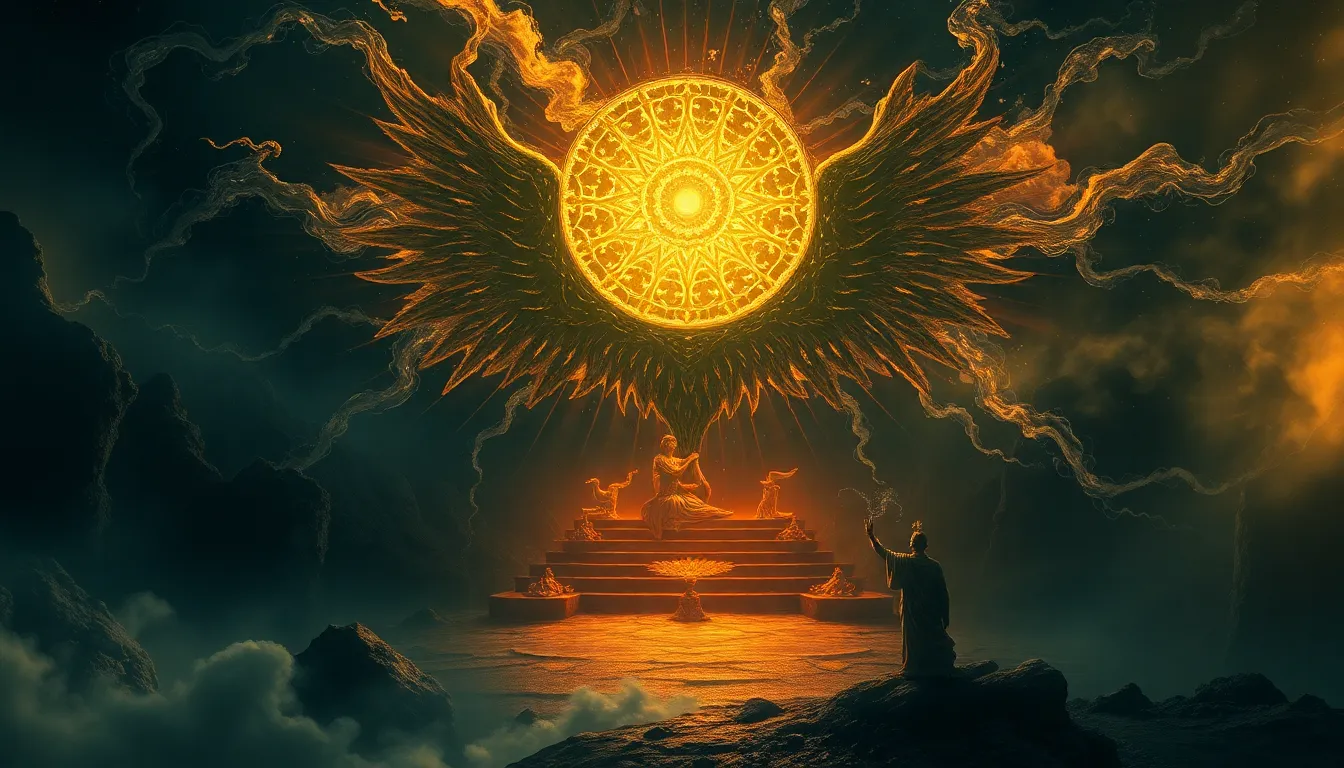
From Nothingness to Existence: The Most Profound Creation Myths
I. Introduction
Creation myths are narratives that explain the origins of the universe, humanity, and the world around us. They serve as foundational stories that provide insight into the beliefs, values, and experiences of different cultures. Understanding these myths is crucial for appreciating the diverse ways in which human beings seek to comprehend their existence and the nature of reality.
This article will explore various creation myths from around the world, highlighting their unique features and common themes. By examining these narratives, we can gain a deeper understanding of the cultural and philosophical implications of creation stories.
II. The Concept of Nothingness
Nothingness is a profound philosophical concept that has intrigued thinkers for centuries. It denotes the absence of anything, a void that precedes existence. In many creation myths, nothingness plays a critical role as the starting point from which the cosmos emerges.
Culturally, the interpretation of nothingness varies:
- In some traditions, nothingness is viewed as a chaotic force, a dark void from which creation springs.
- In others, it is seen as a blank slate, an opportunity for potential and creation.
The role of nothingness in creation narratives often serves as a contrast to the emergence of order, highlighting the tension between chaos and creation.
III. Creation Myths from Various Cultures
Creation myths are remarkably diverse, reflecting the unique worldviews of distinct cultures. Despite their differences, many myths share key themes and motifs:
- The duality of chaos and order
- The involvement of divine beings or gods
- The significance of conflict in the act of creation
As we explore specific myths, we will see how these themes manifest across cultures, offering a glimpse into the shared human experience of seeking meaning in existence.
IV. The Enuma Elish: Babylonian Creation Myth
The Enuma Elish is the Babylonian creation myth that describes the origins of the world and the rise of the god Marduk. The narrative begins with the primordial waters, represented by the gods Apsu and Tiamat, who embody fresh and saltwater respectively.
In the myth, Marduk defeats Tiamat, the embodiment of chaos, in a fierce battle. This victory allows him to create the world from her remains, establishing order from chaos. The themes of order versus chaos are central to this myth, illustrating the importance of divine authority in shaping the cosmos.
V. Genesis: The Judeo-Christian Creation Narrative
The Book of Genesis in the Bible presents a distinct creation narrative where God creates the world in six days and rests on the seventh. This story introduces the concept of creation ex nihilo, meaning “creation out of nothing.” This idea emphasizes God’s omnipotence and the intentionality behind creation.
Throughout Genesis, divine intervention is a recurring theme, reflecting the moral and theological implications of God’s actions. The narrative also establishes humanity’s unique relationship with the divine, portraying humans as made in God’s image and entrusted with stewardship over creation.
VI. The Popol Vuh: The Mayan Creation Story
The Popol Vuh is the creation story of the Maya, rich with symbolism and cultural significance. It recounts the adventures of the Hero Twins, Hunahpú and Xbalanqué, and their interactions with the gods. The narrative reveals how the gods attempted to create humanity several times, ultimately succeeding with the creation of maize-based humans.
Nature plays a vital role in the Popol Vuh, emphasizing the interconnectedness of humanity and the natural world. Themes of creation and destruction are prevalent, reflecting the cyclical nature of existence in Mayan cosmology.
VII. The Aboriginal Dreamtime: Australian Indigenous Beliefs
The Dreamtime is a fundamental aspect of Aboriginal culture, representing the time when ancestral beings shaped the earth, its landscapes, and its creatures. These stories are not merely historical; they are a means of understanding the land and its significance.
Creation stories in the Dreamtime often explain the origins of specific features of the landscape and the relationships between people, the land, and spiritual beings. Ancestral beings are central figures, embodying the continuity of existence and the deep connection between nature and humanity.
VIII. The Hindu Cosmology: Cycles of Creation and Destruction
Hindu cosmology presents a cyclical view of creation, preservation, and destruction, with deities such as Brahma, Vishnu, and Shiva playing pivotal roles. Brahma is the creator god, Vishnu the preserver, and Shiva the destroyer, illustrating a continuous cycle of existence.
The concept of time in Hinduism is not linear but cyclical, with each cycle encompassing creation, preservation, and dissolution. This perspective reflects the belief in reincarnation and the interconnectedness of all life, emphasizing the balance between creation and destruction.
IX. Common Themes and Archetypes in Creation Myths
Across cultures, several common themes and archetypes emerge in creation myths:
- The duality of chaos and order: Many myths illustrate the tension between these forces, depicting the struggle for harmony.
- The role of divine beings: Gods or ancestral figures are often central to the act of creation, embodying the power to shape existence.
- The significance of conflict: Many narratives revolve around battles or struggles that lead to the establishment of order from chaos.
These shared elements highlight the universal human quest to understand the origins of life and the cosmos.
X. Conclusion
Creation myths serve as vital expressions of cultural identity and philosophical inquiry. They provide insights into humanity’s enduring quest for meaning in existence, illustrating how different cultures grapple with concepts of nothingness, chaos, and creation.
In contemporary society, these stories continue to resonate, influencing literature, art, and spiritual beliefs. They remind us of our shared human experience and the diverse ways we seek to understand our place in the universe.
Ultimately, the exploration of creation myths invites us to reflect on our origins and the profound questions that define our existence.