The Incan Pantheon: Gods of War and Sacrifice
The Incan Empire, a civilization that flourished in the Andes Mountains of South America, was a society deeply rooted in mythology and ritual. Their beliefs about the universe, creation, and the divine played a prominent role in their daily lives, including their approach to warfare. The Incan pantheon, a complex tapestry of deities, was filled with powerful figures who embodied the forces of nature, human emotions, and the very essence of the cosmos. Among these gods, some stood out as guardians of war, sacrifice, and the expansion of the Incan empire.
One such deity was Wiracocha, the supreme creator god, who played a pivotal role in the Incan creation myth. Wiracocha was often portrayed as a powerful being who emerged from Lake Titicaca, a sacred body of water in the Andean highlands. He was responsible for the creation of the cosmos, the earth, and humanity. Incarnate in thunder, lightning, and storms, Wiracocha was also associated with the concept of Ayllu— the complex system of kinship and social organization that defined Incan society. The Incan belief in Wiracocha's divine authority served as a justification for the expansion of their empire, as they viewed their conquests as a mandate from the creator himself.
Another important god in the Incan pantheon was Inti, the sun god, who represented the life-giving power of the sun. Inti was a powerful and benevolent deity, but he was also a warrior god who demanded respect and obedience from his followers. The Inca believed that Inti had given them the right to rule over the land and that their conquests were sanctioned by his divine favor. He was often depicted as a young man with a golden disc on his head and was the patron deity of the Incan emperors. In wars, Incan soldiers would carry golden discs as a symbol of Inti’s power and a reminder of his blessings.
Complementing Inti's divine authority was the goddess of the moon, Quilla. While she was considered a protector of humankind, her lunar energy was also linked to the concept of cachina, an Incan ritual dance associated with war and the offering of sacrifices. The duality of Quilla's power, encompassing both fertility and destruction, reflected the complex and often contradictory nature of human warfare.
The Viracocha Myth: Creation and the Origins of Warfare
The Incan creation myth, centered around the god Wiracocha, not only explains the origins of the universe but also offers insights into the Incan understanding of warfare. According to this myth, Wiracocha, after creating the world and its inhabitants, decided to destroy humanity through a great flood. However, he spared two individuals who were chosen to repopulate the earth. This act of destruction and subsequent creation was seen as a fundamental element of the Incan worldview, and it is reflected in the historical accounts of their expansionist policies.
The Incan concept of warfare was deeply intertwined with their beliefs about creation and destruction. They believed that warfare was a necessary evil, a tool for maintaining order and expanding their empire. This belief was reinforced by the myth of Wiracocha's flood, as it demonstrated the cyclical nature of destruction and renewal. The Incan emperors saw themselves as chosen by Wiracocha to lead their people to prosperity and to expand their empire, even if it meant engaging in warfare.
The myth of Wiracocha also emphasizes the importance of Ayllu—the kinship and social organization that defined Incan society—in the development of their military strategies. Incan armies were not simply a collection of individual warriors; they were organized around the principle of Ayllu, with families and communities fighting together. This emphasis on kinship and social cohesion not only bolstered the Incan military but also reflected their deep belief in the importance of family and communal bonds.
The Incan belief that they were chosen by Wiracocha to rule over the land also played a pivotal role in their military campaigns. This conviction in their divine right to conquer motivated them to fight fiercely, believing their victories were ordained by the creator himself. This belief in their divine mandate contributed to the Incan Empire's remarkable success in conquering vast territories and achieving political dominance in the Andes.
The Inti and Quilla: Solar and Lunar War Gods
The Incan sun god, Inti, was not only a source of life and light but also a powerful warrior god who sanctioned the expansion of the empire. The Incas believed that Inti had given them the right to rule over the land and that their conquests were a manifestation of his divine favor. This belief in Inti's blessings fueled their military aspirations and provided a powerful justification for their expansionist policies.
Inti was often depicted as a young man with a golden disc on his head, symbolizing the sun's radiance and power. Incan warriors often carried golden discs as a reminder of Inti's presence and a symbol of his divine protection. The sun god's power was a source of inspiration and strength for the Incan army, as they believed that Inti's blessings would ensure their victory.
Quilla, the Incan moon goddess, played a more ambiguous role in Incan warfare. While she was a protector of humankind, her lunar energy was also linked to the concept of cachina, an Incan ritual dance that involved sacrifices and the celebration of war. The duality of Quilla's power reflected the complex and often contradictory nature of warfare.
Cachina was a ritual dance that involved wearing masks, simulating the movements of animals, and performing symbolic actions that represented warfare, hunting, and sacrifice. The ritual's association with war underscored the fact that warfare was not simply a practical matter but also a deeply symbolic and ritualistic act.
The Incas believed that cachina rituals helped to connect them to the divine powers of Quilla, providing them with strength and guidance in their military endeavors. The association of Quilla with sacrifice also highlighted the importance of this practice in Incan society. The Incas believed that human sacrifice was necessary to appease the gods and ensure their continued favor.
The Legend of Manco Cápac: The Founding Father’s Battle for Empire
The legend of Manco Cápac, the founding father of the Incan Empire, is a tale of heroic struggle, divine intervention, and the establishment of a powerful new kingdom. According to this myth, Manco Cápac emerged from Lake Titicaca, along with his sister-wife Mama Ocllo, with a golden staff that would guide them to the land where they were destined to found their empire.
Their mission was to establish order and bring civilization to a world that was in chaos. With divine guidance, Manco Cápac and his followers embarked on a journey, encountering hostile tribes and challenging landscapes. Manco Cápac's strength and wisdom allowed him to defeat his enemies, but he also relied upon diplomacy and negotiation to consolidate his power. He emphasized the importance of Ayllu, the system of kinship and social organization, as a means of uniting the diverse peoples under his rule.
The legend of Manco Cápac's battles highlights the importance of divine intervention in the founding of the Incan Empire. It establishes a historical narrative that connects the Incan people to their origins and emphasizes their belief in being a chosen people led by a divine leader. His legacy reinforced the Incan belief in their divine right to rule and justified their expansionist policies.
The myth of Manco Cápac's battles also serves as a reminder of the difficult challenges that the Incas faced in their quest for power. The legend, an account of overcoming adversity and conquering hostile territory, inspires a sense of pride and unity among the Incan people. It serves as a testament to the tenacity and resilience of the Incan people and their ability to achieve greatness against all odds.
The Inca Conquest of the Chancas: A Tale of Heroic Resistance
The Incan conquest of the Chancas, a neighboring tribe that posed a serious threat to the empire, is a tale of heroic resistance and a testament to the military prowess of the Incan warriors. The Chancas, known for their fierce fighting spirit and aggressive expansionist policies, had become a formidable enemy to the Incan Empire. They had successfully conquered many surrounding territories, and their armies were poised to advance on the Incan capital of Cuzco.
The threat posed by the Chancas was so great that it prompted the Incan emperor, Pachacutec, to reform the Incan army, strengthen their defenses, and prepare for a decisive battle. The ensuing clash between the two armies was a critical moment in the history of the Incan Empire, a fight for survival that determined the future of the Incan civilization.
The Incan army, known for its disciplined ranks, sophisticated tactics, and mastery of the terrain, engaged the Chancas in a fierce battle. The battle of the Chancas was a testament to the Incan fighting spirit, their resilience, and their ability to overcome seemingly insurmountable challenges. The Incan victory over the Chancas was a defining moment in their history, consolidating their power and establishing their dominion over the region. The story of the Incan conquest of the Chancas has become a legend, passed down through generations, inspiring courage, loyalty, and a sense of national pride among the Incan people.
The legend also highlights the Incan belief in the importance of leadership and the role of the emperor as the embodiment of the divine will. Pachacutec's leadership was widely praised,

The Battle of Yawar Fiesta: Sacrifice and the Divine Right to Rule
The "Yawar Fiesta" (Blood Festival), a ritualistic battle, is a powerful testament to the Incan belief that their conquests were sanctioned by the gods. This festival, held in the capital city of Cuzco, involved a dramatic clash between Incan warriors and chosen individuals from conquered tribes. The outcome of this symbolic battle was not about victory or defeat but about demonstrating the Incan's divine right to rule.
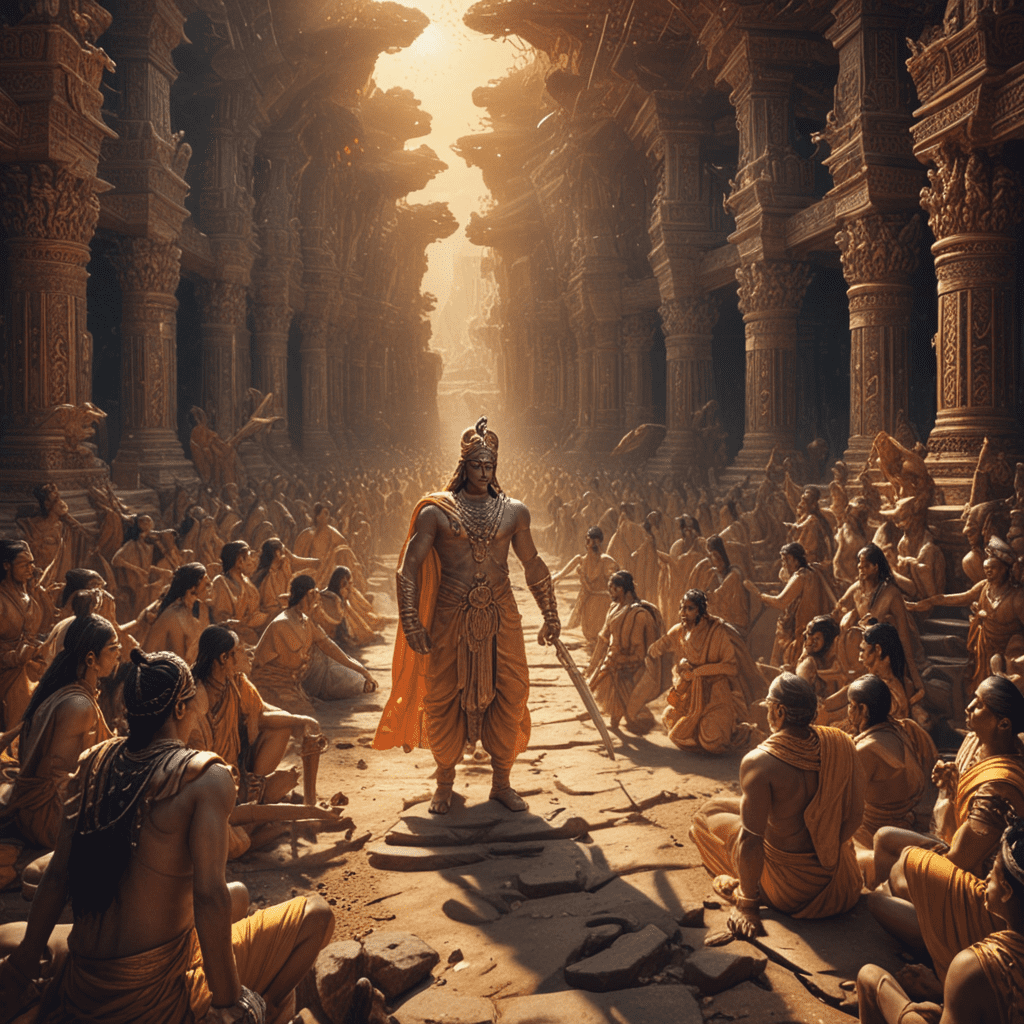
The "Yawar Fiesta" was a ritualistic display of power and dominance, showcasing the Incan's strength and their connection to the divine. It was a ceremony where the Incan emperor, representing the sun god Inti, would confront and ultimately vanquish his enemies, signifying his divine authority and his right to rule over the conquered peoples. The festival, a display of dominance, reinforced the belief that the Incan Empire was a chosen people, guided by the gods.
The festival was more than a mere spectacle; it was a powerful ritual that underscored the importance of sacrifice in Incan society. The "Yawar Fiesta" was a symbolic offering to the gods, a demonstration of the Inca’s willingness to shed blood to secure their divine favor. The ritual's very name, "Yawar Fiesta," translating to "Blood Festival," reflects the importance of sacrifice in the Incan worldview. The willingness to sacrifice, both in battle and in ritual, was a key element of the Incan belief system, reflecting their commitment to their gods and their empire.
The Myth of Pachacutec: A Ruler of Conquest and Tactical Genius
Pachacutec, the ninth Inca emperor, is revered in Incan mythology as a figure of immense power, tactical brilliance, and divine favor. He is credited with expanding the Incan Empire to its greatest extent, conquering vast territories and securing its position as the dominant force in the Andes region. His reign witnessed the expansion of the Incan military, the development of intricate administrative systems, and the consolidation of the Inca's power.
The myth of Pachacutec highlights his role as a leader who led his people to greatness. He was known for his strategic brilliance, his ability to motivate his troops, and his willingness to take risks. His military campaigns were successful not only due to his cunning tactics but also his strong belief in the divine right to conquer. Pachacutec was a firm believer in the power of Inti, the sun god, and he viewed his victories as proof of divine favor.
One of Pachacutec’s most remarkable conquests was his victory over the Chancas, a neighboring tribe that posed a serious threat to the Incan Empire. Pachacutec's victory over the Chancas transformed him into a legendary figure and solidified his claim to divine authority. He is credited with reorganizing the Incan military and developing the “chinchasuyu” or “land of the Inca” – an extensive road system that allowed for more efficient communication and transportation of troops.
Pachacutec's legacy continues to inspire the Incan people and serves as a testament to their ability to overcome adversity and build a powerful empire. His story, a blend of military brilliance, divine favor, and political savvy, is a vital part of Incan mythology and provides insight into their beliefs about leadership, conquest, and the divine.
The Inca Army: A Force of Discipline and Ritual Warfare
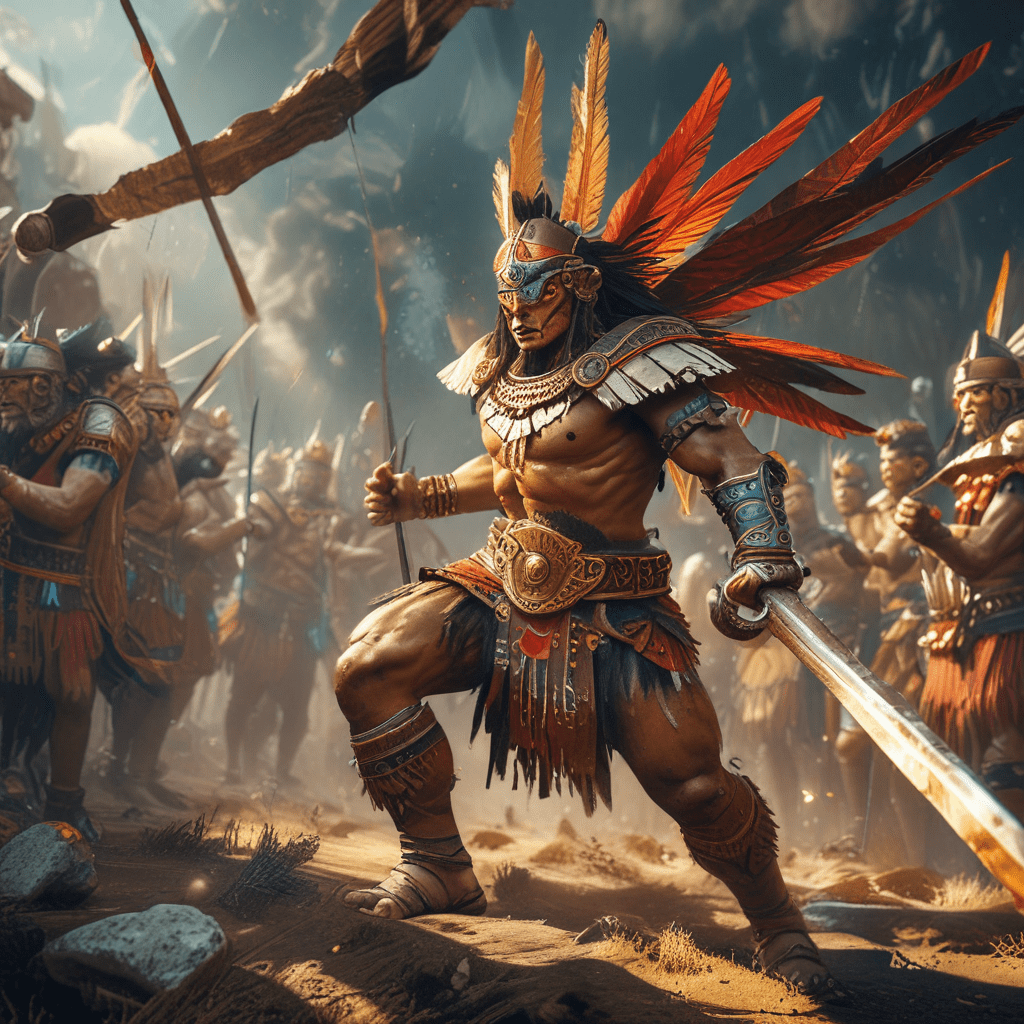
The Incan army was a formidable force, known for its discipline, organization, and strategic prowess. It was not simply a collection of individual warriors; it was a well-structured organization, reflecting the hierarchical social structure of the Incan Empire. The army was comprised of different ranks, from common soldiers to elite warriors, each playing a specific role in the execution of military strategy.
Incan warriors were trained from a young age, undergoing rigorous physical and mental training to prepare them for battle. Discipline was a key element in the Incan military system, with soldiers expected to obey orders, maintain a strict code of conduct, and carry out their duties with unwavering loyalty to their emperor and their gods. The Incan army was also known for its use of complex tactical formations and elaborate military strategies, designed to outmaneuver and overwhelm their enemies.
The Incan army was not only a force of discipline but also a reflection of their deep connection to the divine. Before entering battle, Incan warriors engaged in elaborate rituals to seek the blessings of their gods. They prayed to Inti, the sun god, for strength and guidance, and they made offerings to Quilla, the moon goddess, to ensure victory. Ritualistic warfare played a vital role in the Incan military system, connecting the soldiers to the divine and inspiring them to fight with courage and determination.
Theories of Mythical Warfare: Historical Accounts and Symbolic Representation
The study of Incan mythical warfare involves deciphering the complex interplay between historical facts and symbolic representations. Historians and anthropologists have sought to uncover the reality behind the legends, analyzing archaeological evidence, historical accounts, and Incan texts to piece together a more complete picture of Incan warfare.
One key approach to understanding Incan mythical warfare is to recognize that their stories often served as a means of transmitting cultural values and beliefs. The myths about the founding of the Incan Empire, the conquests of legendary rulers like Pachacutec, and the divine intervention in battles all served to reinforce the Incan belief in their own chosen status, their right to rule, and their connection to the divine.
Another important aspect of Incan mythical warfare is the symbolic representation of power. The "Yawar Fiesta," the ritual battle in Cuzco, is a prime example of this. This symbolic clash between Incan warriors and their conquered enemies served as a metaphorical display of Incan dominance, demonstrating their power to their subjects and reinforcing the idea of the Incan emperor as a divinely ordained ruler.
Understanding the symbolic aspects of Incan mythical warfare can provide insight into their social structure, their religious beliefs, and their understanding of the world. The myths are not simply stories; they are reflections of a complex and culturally rich civilization that found meaning and purpose in the interplay of history, myth, and the divine.
Incan Mythical Warfare: A Reflection of Social Structure and Power
The tales of Incan mythical warfare offer a fascinating window into the social structure and power dynamics of this ancient civilization. The complex pantheon of deities, the rituals surrounding sacrifice, and the recurring themes of divine intervention and chosen status all provide insight into the values, beliefs, and power relationships that shaped Incan society.
The Incan myth of creation, centered around the god Wiracocha, highlights the importance of Ayllu, the kinship and social organization that defined Incan society. This concept of Ayllu played a crucial role in Incan warfare, with families and communities fighting together as a united force. The importance of Ayllu in Incan warfare reflects the deeply communal nature of Incan society, where kinship and social bonds were essential for maintaining order and achieving collective goals.
Incan mythical warfare also sheds light on the role of the emperor as the embodiment of divine authority. The myth of Manco Cápac, the founding father of the Incan Empire, establishes the concept of divine rulership, with the emperor representing the divine will and leading his people to conquest and prosperity. The belief in the divine right to rule played a pivotal role in Incan military campaigns, providing justification for their expansionist policies and inspiring their soldiers to fight with unwavering courage and loyalty.
The tales of Incan mythical warfare, while steeped in mythology and symbolism, offer valuable insights into the social structure, power dynamics, and religious beliefs of this ancient civilization. They provide a glimpse into the complexities of a society that was deeply rooted in tradition, ritual, and a belief in the divine.
FAQ
Q: What is the significance of the Yawar Fiesta?
A: The Yawar Fiesta, or Blood Festival, was a ritual battle that symbolized the divine right of the Incan emperor to rule. It showcased the Incan's power and dominance, while also demonstrating the importance of sacrifice in their belief system.
Q: How did the myth of Pachacutec influence the Incan people?
A: The myth of Pachacutec, a legendary ruler who expanded the Incan Empire, inspired the Incan people with tales of his strategic brilliance, divine favor, and military prowess. His stories served as a testament to their ability to overcome adversity and achieve greatness.
Q: What role did Ayllu play in Incan warfare?
A: Ayllu, the kinship and social organization system, was central to Incan society and played a vital role in their military campaigns. Families and communities fought together as a united force, highlighting the importance of social cohesion and communal bonds in Incan warfare.
Q: What is the significance of Incan mythical warfare?
A: The stories of Incan mythical warfare offer insight into their social structure, power dynamics, and religious beliefs. They provide a glimpse into the values, traditions, and worldview of this ancient civilization, showcasing the importance of divine intervention, sacrifice, and the concept of a chosen people.
Q: How does the concept of divine intervention impact Incan warfare?
A: Incan mythology emphasizes the role of divine intervention in warfare. Their belief in the gods' favor and the divine right to rule inspired their armies and provided justification for their conquests. They saw victory as a sign of divine approval