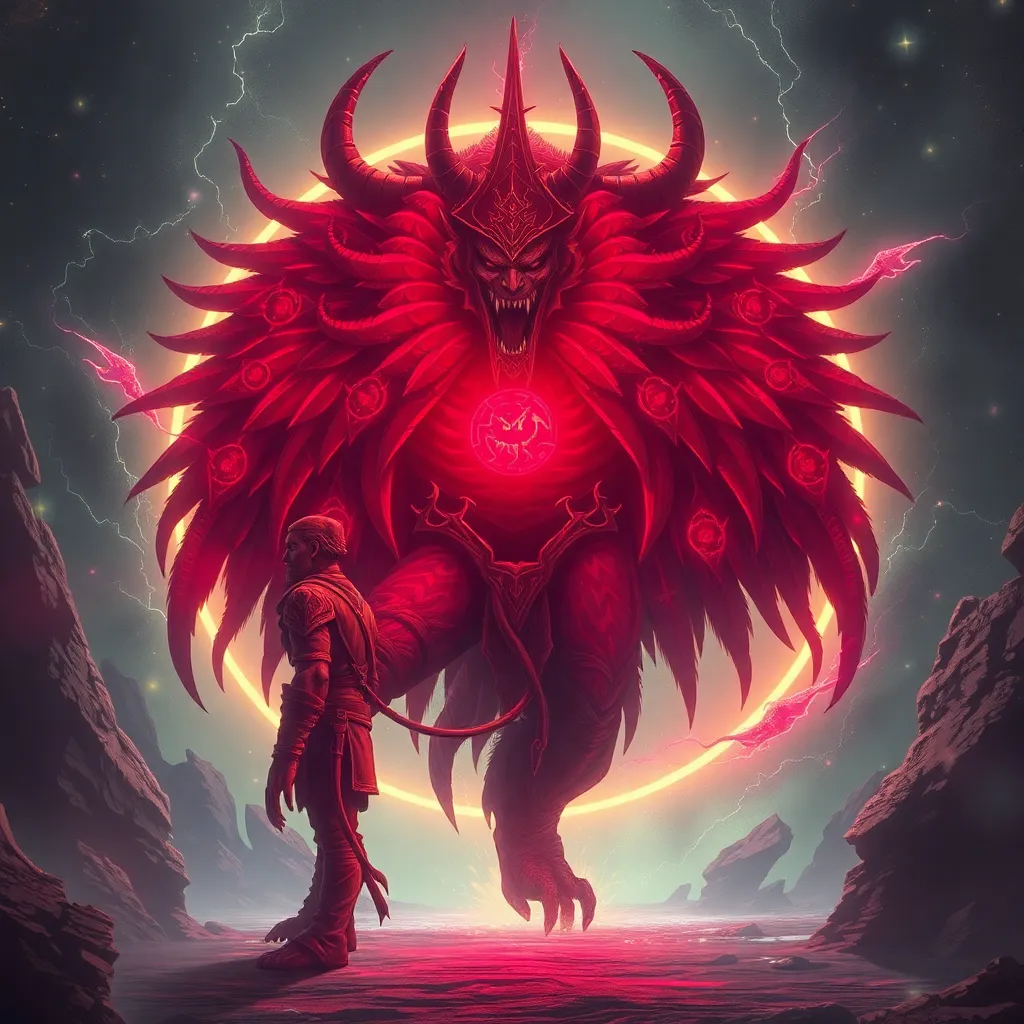
The Devourer of Souls in Egyptian Mythology: Exploring Apep and Níðhöggr’s Parallels
I. Introduction
The mythological figures Apep and Níðhöggr represent profound themes of chaos and destruction in their respective cultures. Apep, the serpent of chaos in Egyptian mythology, stands in opposition to order and light, while Níðhöggr, the dragon in Norse mythology, embodies decay and the cyclical nature of existence. These soul devourers not only illustrate the fears and beliefs surrounding death and the afterlife but also serve as critical symbols of the eternal struggle between chaos and order.
The purpose of this article is to explore the parallels between Apep and Níðhöggr, shedding light on their characteristics, roles in mythology, and the thematic connections that link these two formidable figures.
II. Apep: The Serpent of Chaos in Egyptian Mythology
A. Description and characteristics of Apep
Apep, also known as Apophis, is often depicted as a gigantic serpent or dragon, representing chaos and the embodiment of evil. He is characterized by his immense size and terrifying physicality, evoking fear and dread. In Egyptian art, Apep is often illustrated coiled and ready to strike, symbolizing his predatory nature.
B. Role in the Egyptian pantheon and mythology
Apep is considered the arch-enemy of the sun god Ra. Each night, Apep attempts to consume Ra during his journey through the underworld, embodying the eternal struggle between light and darkness. The Egyptians believed that Apep’s defeat was crucial for the sun to rise each day, highlighting his role as a force of chaos that must be continually resisted.
C. Symbolism of chaos, darkness, and evil
Apep symbolizes not only chaos and darkness but also the fear of the unknown. His presence in mythology serves as a reminder of the dangers lurking outside the order established by the gods. Apep’s narrative illustrates the importance of maintaining Ma’at, the principle of truth, balance, and cosmic order that is central to Egyptian belief.
III. Níðhöggr: The Dragon of Norse Mythology
A. Description and characteristics of Níðhöggr
Níðhöggr is depicted as a dragon or serpent that gnaws at the roots of Yggdrasil, the world tree that connects the nine realms of Norse cosmology. This creature is often associated with the underworld and is characterized by its insatiable hunger for death and decay.
B. Role in Norse mythology and cosmology
Níðhöggr plays a significant role in the cycle of life and death within Norse mythology. By consuming the roots of Yggdrasil, he represents the inevitable decay that precedes renewal. His actions are integral to the cyclical nature of existence, where death leads to rebirth.
C. Symbolism of decay, death, and the cycle of life
The symbolism surrounding Níðhöggr is multifaceted. He embodies the inevitability of death, the decay that comes with time, and the renewal that follows. In this way, Níðhöggr serves as a reminder of the interconnectedness of life and death, illustrating that destruction is a necessary precursor to creation.
IV. Thematic Parallels: Chaos vs. Order
A. Apep’s representation of chaos and opposition to Ma’at
Apep represents chaos in stark contrast to Ma’at, the Egyptian principle of truth and order. His actions threaten the very fabric of existence and highlight the struggle between chaos and the divine order upheld by the gods.
B. Níðhöggr’s role in the destruction of the world tree, Yggdrasil
Similarly, Níðhöggr’s role in gnawing at the roots of Yggdrasil symbolizes the destructive forces of nature that must be acknowledged and confronted. His presence serves as a reminder that chaos exists within the cycle of life, where destruction is necessary for regeneration.
C. The balance of chaos and order in both mythologies
Both Apep and Níðhöggr exemplify the balance of chaos and order in their respective mythologies. The ongoing battles against these figures illustrate the human struggle to maintain balance in a world filled with uncertainty and chaos.
V. The Devouring of Souls: Rituals and Beliefs
A. Egyptian beliefs about the afterlife and Apep’s role in soul consumption
In ancient Egyptian belief, the afterlife was a journey filled with trials, where souls faced judgment in the Hall of Ma’at. Apep was feared as the devourer of souls, lurking in the underworld and seeking to consume those who failed to pass judgment. His role was to represent the ultimate fear of annihilation and eternal chaos.
B. Norse beliefs surrounding Níðhöggr and its connection to the dead
In Norse mythology, Níðhöggr is connected to the dead, particularly those who are dishonorable. He is said to dwell in Niflheim, where he feeds on the bodies of the dead, symbolizing the consequences of a life lived without honor. Níðhöggr’s actions reflect the cultural values surrounding death and the importance of a noble life.
C. Comparative analysis of rituals associated with both deities
- Egyptians performed rituals to ensure safe passage through the afterlife, invoking Ra to protect against Apep’s chaos.
- Norse rituals often emphasized valor in life to avoid the jaws of Níðhöggr, reinforcing the importance of honor and bravery.
VI. Cultural Impact and Legacy
A. Apep’s influence on Egyptian art, literature, and religion
Apep has left a lasting legacy in Egyptian art and literature, often depicted in temple reliefs and papyrus scrolls. His representation as a chaotic force has influenced religious practices aimed at ensuring the triumph of order over chaos.
B. Níðhöggr’s impact on Norse literature and modern interpretations
Níðhöggr has also played a significant role in Norse literature, featuring prominently in texts like the Poetic Edda. Modern interpretations often explore themes of environmental decay and the cyclical nature of life, reflecting contemporary concerns.
C. How both figures shape contemporary understandings of mythology
Both Apep and Níðhöggr have shaped contemporary understandings of mythology, serving as symbols of the struggle against chaos. Their narratives resonate with modern audiences, reflecting timeless themes of order, morality, and the human condition.
VII. Modern Interpretations and Relevance
A. Apep and Níðhöggr in popular culture
In modern media, Apep and Níðhöggr have appeared in various forms, from video games to literature, often embodying themes of chaos and destruction. Their depictions highlight the enduring fascination with these mythological figures.
B. The relevance of these figures in contemporary discussions on chaos and morality
The stories of Apep and Níðhöggr prompt discussions on the nature of chaos and morality. They encourage reflections on how individuals and societies confront chaos in their lives and the ethical implications of their choices.
C. Lessons learned from their stories
The narratives surrounding Apep and Níðhöggr teach valuable lessons about the balance of chaos and order, the importance of virtue, and the inevitability of decay and renewal. They remind us that chaos is an integral part of existence, one that must be acknowledged and respected.
VIII. Conclusion
In exploring the parallels between Apep and Níðhöggr, we uncover deeper insights into the human experience of chaos, morality, and the afterlife. Both figures serve as powerful reminders of the eternal struggle between order and chaos, highlighting the significance of soul devourers in mythology. Their stories continue to resonate, offering lessons on the complexities of life and the importance of maintaining balance in a chaotic world.