The Enchanted Forest: A Journey Through Time and Myth
I. Introduction to the Enchanted Forest
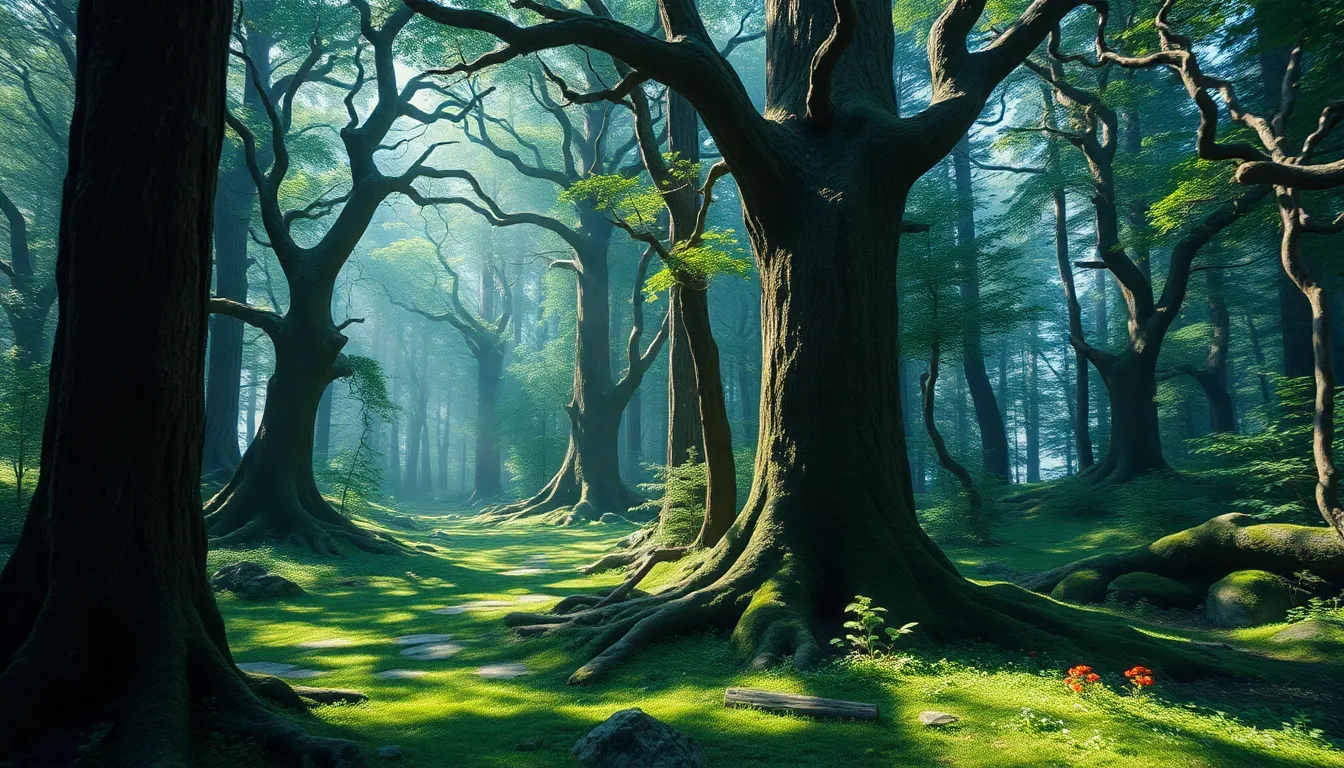
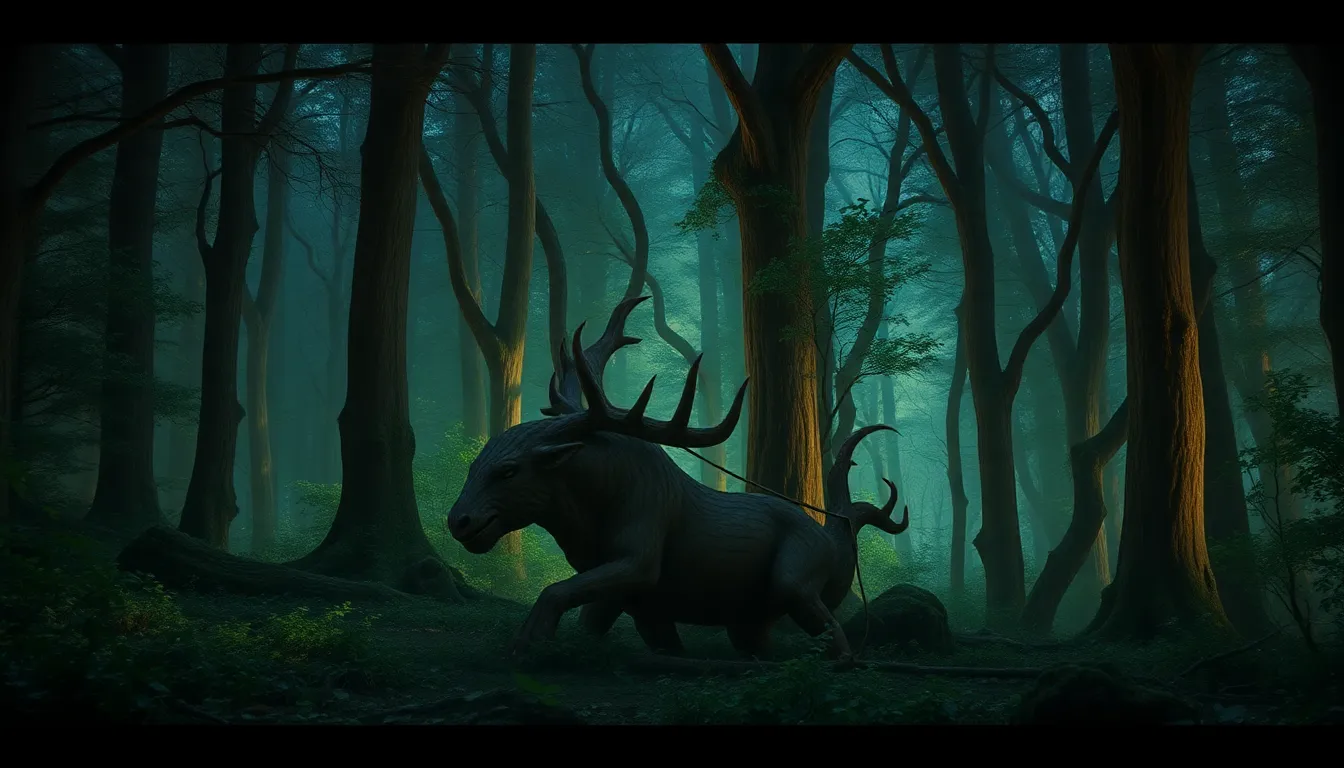
The term “Enchanted Forest” evokes images of magical realms filled with mystical creatures, ancient trees, and hidden pathways. Across various cultures, the enchanted forest holds a significant place as a symbol of the unknown, the sacred, and the transformative power of nature. These forests serve not only as a backdrop for adventure and fantasy but also as a rich tapestry of mythology and folklore that reflects human experiences and beliefs.
In many traditions, the enchanted forest represents a space where the ordinary meets the extraordinary—a liminal zone where characters embark on quests, face challenges, and undergo profound transformations. This article aims to explore the intricate intersection of nature, time, and myth as we journey through the enchanting world of these mystical forests.
II. Historical Origins of Enchanted Forests
Throughout history, forests have held a revered position in the hearts and minds of ancient civilizations. Early humans recognized the forests as vital sources of sustenance, shelter, and spirituality. The following points highlight the historical significance of forests:
- Spiritual Sanctuaries: Many ancient cultures viewed forests as sacred spaces inhabited by deities or spirits.
- Mythological Roots: Forests often served as the setting for creation myths, where gods interacted with humans.
- Symbol of Life: The cyclical nature of forests, with their seasonal changes, represented the cycles of life and death.
The concept of enchanted forests has evolved significantly over time. As societies transitioned from hunter-gatherers to agricultural communities, the relationship with nature shifted. Forests began to be seen not only as resources but also as realms of mystery and magic, leading to the creation of stories that intertwined human experiences with the natural world.
III. Myths and Legends Surrounding Enchanted Forests
Enchanted forests feature prominently in various myths and legends around the world. They often serve as the backdrop for transformative journeys and quests. Some prominent examples include:
- Arthurian Legends: The mystical woods of Broceliande, where Merlin and other figures encounter enchantments and challenges.
- Norse Mythology: Yggdrasil, the World Tree, connecting different realms and embodying the essence of life, death, and rebirth.
These myths often explore themes of transformation, quests for knowledge, and the duality of nature—where beauty and danger coexist. The impact of these legends resonates deeply within local cultures, shaping traditions, festivals, and even moral lessons passed down through generations.
IV. The Enchanted Forest in Literature
Literature has long embraced the concept of enchanted forests, using them as a vehicle for exploring complex themes and character development. Some key literary works featuring enchanted forests include:
- “A Midsummer Night’s Dream” by William Shakespeare: A forest filled with magic and mischief, where love and identity are explored.
- “The Chronicles of Narnia” by C.S. Lewis: The magical land of Narnia, accessible through a wardrobe, where forests play a crucial role in the adventures of its characters.
In these works, enchanted forests serve not just as physical settings but as metaphors for the characters’ inner journeys. Literary devices such as vivid imagery, symbolism, and allegory are utilized to convey enchantment and the complexities of human emotions and relationships.
V. The Enchanted Forest in Art and Film
The visual representation of enchanted forests has captivated artists and filmmakers alike. The following points highlight their portrayal in different mediums:
- Visual Arts: Enchanted forests have been depicted in paintings and illustrations, often characterized by lush greenery, ethereal light, and mythical creatures.
- Film: Enchanted forests come alive in cinema, from Disney adaptations like “Snow White” to epic fantasy films like “The Lord of the Rings,” where cinematography and special effects create immersive experiences.
These media utilize a range of techniques—from lighting and color palettes to CGI effects—to evoke a sense of wonder and magic, drawing viewers into the enchanting world of forests.
VI. The Ecological Significance of Real Enchanted Forests
While the concept of enchanted forests exists in myth and legend, real-life examples abound, such as:
- The Black Forest: Known for its dense woods and folklore, it harbors a rich biodiversity.
- The Fairy Pools: Located in Scotland, these crystal-clear waters are surrounded by spectacular landscapes.
These real enchanted forests hold immense ecological importance, supporting diverse plant and animal life. Conservation efforts are crucial to preserving these natural wonders, ensuring that the stories and myths surrounding them continue to thrive alongside the ecosystems they represent.
VII. Personal Journeys: Exploring Enchanted Forests
Many travelers have sought out enchanted forests, drawn by their beauty and the promise of adventure. Personal anecdotes often reveal transformative experiences:
- Connection to Nature: Visitors frequently describe a profound sense of peace and connection to the earth.
- Inspiration: Artists and writers often find inspiration in the tranquility and beauty of these environments.
For those looking to explore enchanted forests, consider the following tips:
- Pay attention to the sounds of nature—each whispering leaf and chirping bird contributes to the forest’s magic.
- Look for hidden trails and unique flora and fauna that may spark your imagination.
- Take time to reflect and immerse yourself fully, allowing the forest to work its enchantment on you.
These experiences can lead to personal growth, altering one’s perception of nature and self.
VIII. Modern Interpretations and the Relevance of Enchanted Forests Today
In contemporary culture, enchanted forests continue to inspire reinterpretation and exploration. They play a significant role in:
- Environmental Awareness: Enchanted forests symbolize the beauty of nature and the importance of conservation efforts.
- Sustainability Movements: Many modern narratives emphasize the need to protect these magical spaces as part of our environmental responsibility.
The allure of enchanted forests remains strong, serving as a reminder of the intrinsic connection between humanity, myth, and nature. As we navigate the challenges of the modern world, these forests inspire us to seek balance, wonder, and reverence for the natural world.