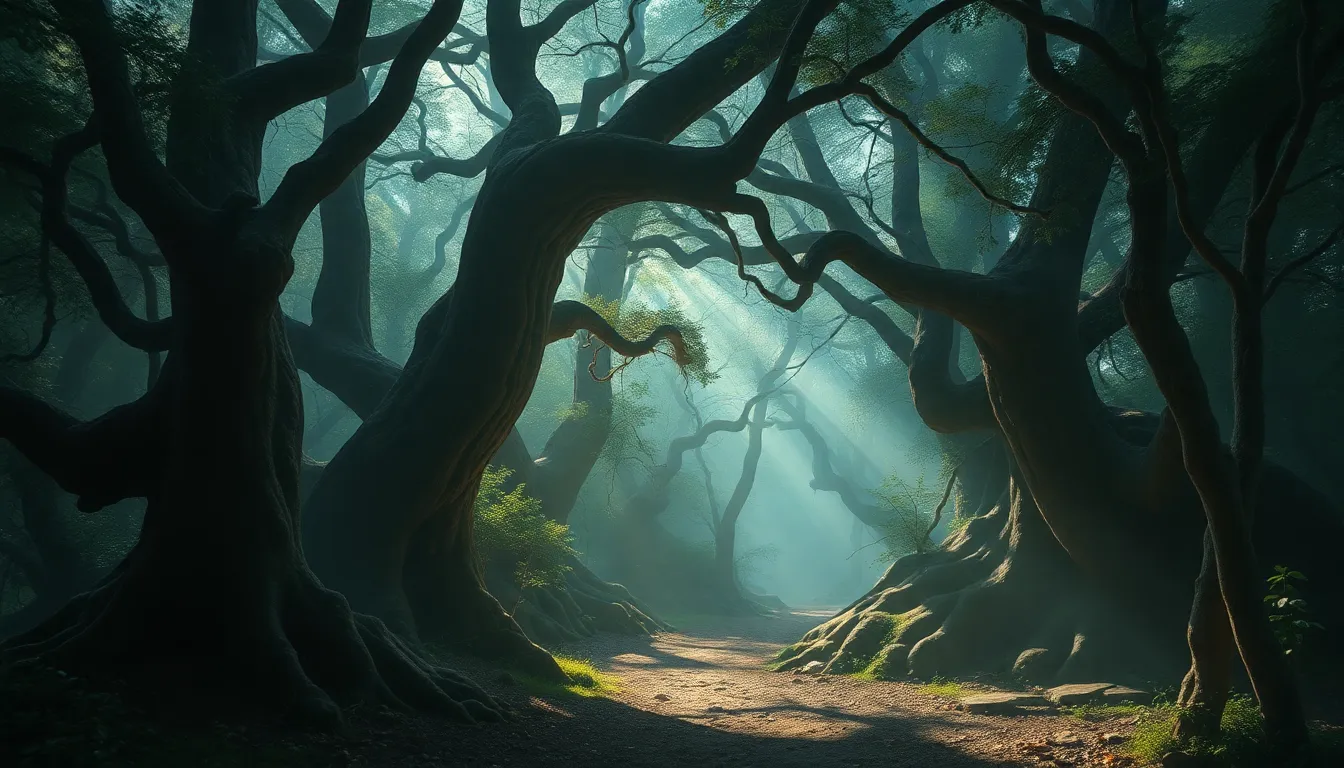
The Enchanted Forest: A Magical Landscape of Myths
I. Introduction to the Enchanted Forest
Enchanted forests have long captured the imagination of cultures around the world, serving as a symbol of mystery, adventure, and magic. These magical landscapes are often depicted in folklore and fairy tales, where they serve as the backdrop for extraordinary events and encounters with mythical beings. The significance of enchanted forests lies not only in their beauty but also in their representation of the unknown and the extraordinary.
Common themes found in enchanted forests include the coexistence of light and darkness, the presence of magical creatures, and the transformation of characters who enter these mystical realms. They often embody a dual nature: enchanting yet perilous, inviting yet frightening.
II. Historical Roots of Enchanted Forest Myths
The roots of enchanted forest myths can be traced back to ancient cultures, where forests were often seen as sacred spaces inhabited by spirits and deities. Many indigenous peoples believed that forests were alive, filled with spirits that could aid or hinder humans based on their behavior and respect for nature.
Throughout history, these myths have evolved, influenced by geography and local traditions. For example, the dense forests of Northern Europe nurtured tales of trolls and fairies, while the vast woodlands of North America inspired legends of nature spirits and trickster figures. The relationship between people and the forest has shaped these narratives, reflecting the cultural values and beliefs of each society.
III. Common Features of Enchanted Forests
Enchanted forests are characterized by their diverse flora and fauna, which often include unusual or magical species. The presence of vibrant flowers, towering trees, and elusive wildlife contributes to the otherworldly atmosphere of these landscapes.
- Flora and Fauna: Magical inhabitants such as talking animals, mystical plants, and rare flowers often play crucial roles in enchanted stories.
- Geographical Formations: Unique features like winding rivers, steep hills, and hidden glades add to the forest’s allure, creating a sense of adventure and discovery.
- Weather and Atmosphere: The interplay of sunlight filtering through leaves, mist rising from the ground, and the sounds of nature enhances the enchanting experience.
IV. Mythical Creatures of the Enchanted Forest
Enchanted forests are home to a wide array of mythical creatures. These beings range from benevolent spirits that assist travelers to dark entities that instill fear.
- Benevolent Beings: Fairies, elves, and benevolent spirits often aid protagonists in their quests, symbolizing hope and light.
- Dark Creatures: Trolls, witches, and sinister spirits serve as obstacles, representing the dangers that lurk in the shadows.
The symbolism of these creatures often reflects human emotions, fears, and desires, making enchanted forests a rich tapestry of meaning and significance.
V. The Enchanted Forest in Literature and Storytelling
Enchanted forests have been a central theme in literature and storytelling for centuries. Classic tales such as Shakespeare’s “A Midsummer Night’s Dream” and C.S. Lewis’s “The Chronicles of Narnia” feature enchanted woods as pivotal settings where extraordinary events unfold.
Modern adaptations continue to explore these themes, with films and books drawing inspiration from traditional myths. The storytelling tradition plays a crucial role in preserving these narratives, allowing new generations to experience the magic of enchanted forests.
VI. Cultural Variations of Enchanted Forests
Enchanted forests vary significantly across cultures, each reflecting unique beliefs and traditions. In Europe, enchanted forests are often depicted as whimsical and filled with fairies and elves.
- European Enchanted Forests: Characterized by dense foliage and magical creatures, examples include the Black Forest in Germany and Sherwood Forest in England.
- Indigenous Perspectives: Many indigenous cultures view forests as sacred, with narratives centered around respect for nature and its spirits.
- Asian and Middle Eastern Representations: Enchanted forests appear in various forms, such as the bamboo groves of Japan, often associated with tranquility and spirituality.
VII. The Psychological and Emotional Impact of Enchanted Forests
Enchanted forests hold a powerful psychological and emotional significance for many people. They often represent an escape from reality, offering a place for adventure and exploration.
- Symbols of Escape: Forests serve as a refuge from the mundane, inviting individuals to lose themselves in nature.
- Therapeutic Benefits: Spending time in nature has been shown to reduce stress, improve mood, and enhance overall well-being.
- Fear and Fascination: The dual nature of forests—both enchanting and intimidating—creates a complex interplay of emotions that captivates the imagination.
VIII. Enchanted Forests in Modern Media and Entertainment
In contemporary culture, enchanted forests are depicted in various forms of media, from films to video games. These portrayals often emphasize the magical aspects of forests, inviting audiences to experience their wonder.
- Film Adaptations: Movies like “Into the Woods” and “Pan’s Labyrinth” showcase enchanted landscapes, blending fantasy with visual storytelling.
- Video Games: Interactive experiences in games like “The Legend of Zelda” and “Ori and the Blind Forest” allow players to explore magical woodlands and engage with their mysteries.
- Festivals and Experiences: The rise of forest-themed festivals, such as fairy tale gatherings and nature retreats, promotes immersion in enchanted environments.
IX. Conservation and the Real-World Enchanted Forests
The impact of environmental changes on real-world forests has raised concerns about the preservation of these magical landscapes. As mythical forests inspire tales, it is crucial to protect their real counterparts.
- Environmental Changes: Deforestation and climate change threaten the biodiversity that fuels these myths, making conservation efforts essential.
- Preservation Initiatives: Organizations and communities work to protect forests that inspire enchanted tales, emphasizing sustainable practices.
- Cultural Heritage: Preserving the stories and cultural significance of these forests is vital for future generations.
X. Conclusion: The Enduring Allure of the Enchanted Forest
The enchanted forest remains a timeless symbol of magic, adventure, and the interplay of light and dark. Through history, literature, and modern media, these mystical landscapes continue to inspire awe and wonder. As we navigate the challenges of the modern world, the enchantment of these forests serves as a reminder of the beauty of nature and the importance of preserving it for future generations. In the end, the allure of the enchanted forest lies in its ability to spark our imagination and connect us to the ancient myths that have shaped human culture.