The Enchanted Kingdom of the Fair Folk: Myths of Enchantment
I. Introduction to the Enchanted Kingdom
The concept of the Fair Folk, often synonymous with fairies, elves, and other mystical beings, has captivated the imagination of cultures worldwide. These enchanting entities are depicted as guardians of the natural world, often possessing magical abilities and a deep connection to the earth.
Historically, fairy myths have served various purposes, from explaining natural phenomena to conveying moral lessons. They reflect humanity’s relationship with nature and the unknown, offering insight into cultural values and fears.
This exploration of the myths of enchantment seeks to uncover the richness of fairy lore, revealing its origins, characteristics, and enduring legacy in modern society.
II. Origins of the Fair Folk in Folklore
The origins of the Fair Folk can be traced back to early oral traditions and texts. Ancient civilizations, from the Celts to the Greeks, mentioned beings that resembled what we now consider fairies.
Regional variations enrich the tapestry of fairy myths:
- Celtic Folklore: Fairies are often depicted as ethereal beings living in hidden realms.
- Scandinavian Myths: Elves and trolls feature prominently, with their own unique characteristics and stories.
- Slavic Traditions: Domovoi and other household spirits showcase a different aspect of fairy lore.
Over time, the archetype of the Fair Folk has evolved, influenced by cultural exchanges and societal changes, leading to a diverse array of beliefs and stories about these enchanting beings.
III. Characteristics and Traits of the Fair Folk
The Fair Folk exhibit a variety of physical appearances, often reflecting the culture from which they originate. Common traits include:
- Delicate features and ethereal beauty
- Varied sizes, from tiny sprites to tall, majestic beings
- Distinct attire, often made from natural materials like leaves or flowers
In terms of abilities, the Fair Folk are often associated with:
- Magic, allowing them to manipulate nature and time
- Healing powers, capable of curing ailments
- Illusion, creating enchanting visions to mislead or charm mortals
Social structures within fairy communities vary widely, with some tales depicting hierarchical systems led by a queen or king, while others present a more egalitarian society of free-spirited beings.
IV. The Enchanted Realms: Landscapes of the Fair Folk
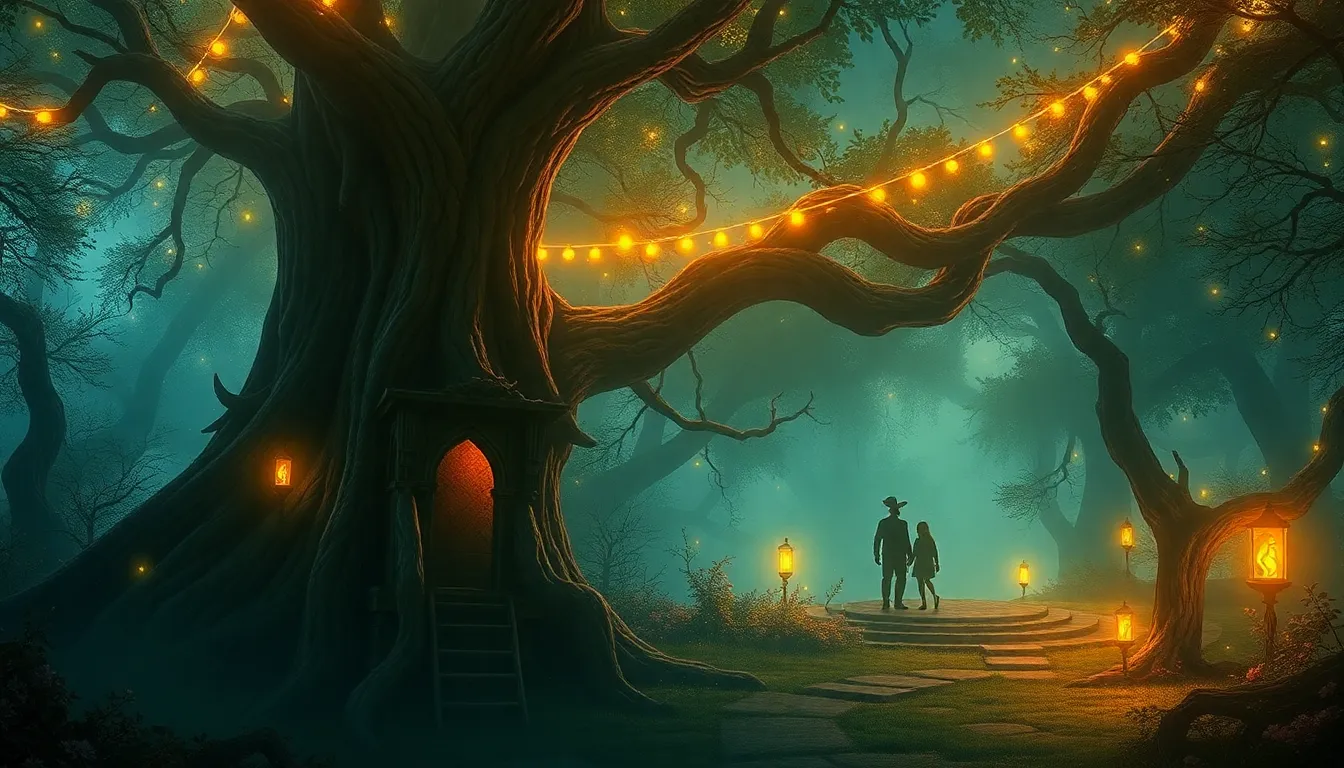
Fairy realms are often described as beautiful, otherworldly landscapes filled with vibrant flora and fauna. These enchanting features include:
- Glowing flowers and shimmering streams
- Majestic forests and hidden glens
- Magical hills that seem to dance with light
The symbolism of nature in fairy mythology is profound. It represents not only beauty and wonder but also the interconnectedness of life. Notable enchanted locations such as Avalon and Tir Na Nog serve as gateways to these mystical realms, often depicted as paradises free from human strife.
V. Encounters with the Fair Folk: Tales from Different Cultures
Throughout history, there have been legendary encounters with the Fair Folk, each carrying its own lessons. For example:
- The tale of Thomas the Rhymer, who was taken by the Queen of Elfland and returned with prophetic gifts.
- The story of the changeling, where a fairy child is swapped for a human child, illustrating the risks of dealing with the Fair Folk.
Modern-day accounts also abound, with individuals claiming to have had encounters with these mystical beings. Many report experiences during altered states of consciousness, such as dreams and visions, where interactions with the Fair Folk feel remarkably real.
VI. The Dual Nature of the Fair Folk: Benevolent vs. Malevolent
The Fair Folk embody a dual nature, presenting both benevolent and malevolent aspects. On the one hand, they are known as:
- Helpers and protectors, guiding lost souls and granting wishes.
- Creatures of beauty, inspiring art and culture.
Conversely, they can also be mischievous or malevolent, engaging in:
- Tricks that lead mortals astray or cause misfortune.
- Revenge on those who disrespect their realms.
These dualities convey moral lessons about respect, caution, and the unpredictable nature of enchantment.
VII. Enchantment and Its Consequences
Enchantment in fairy tales often represents transformation, whether it be a change in perspective or literal metamorphosis. The transformative power of enchantment can lead to:
- Personal growth and self-discovery.
- Connection with the natural world and its mysteries.
However, cautionary tales abound, warning of the dangers of fairy enchantments. Many stories emphasize the repercussions of crossing boundaries, such as:
- Becoming trapped in a fairy realm.
- Experiencing loss of time or identity.
These narratives serve as reminders to approach the mystical with respect and awareness.
VIII. The Legacy of Fairy Myths in Modern Culture
The influence of fairy folklore extends deeply into literature and art, inspiring countless works throughout history. From Shakespeare’s “A Midsummer Night’s Dream” to contemporary fantasy novels, the Fair Folk continue to enchant audiences.
In modern media, representations of the Fair Folk are diverse:
- Films like “Pan’s Labyrinth” and “Tinker Bell” showcase different interpretations.
- Television series such as “Once Upon a Time” explore fairy tales in fresh narratives.
This resurgence of interest in fairy mythology reflects a longing for the magical in a rapidly changing world.
IX. The Fair Folk in Contemporary Spirituality and Practices
In contemporary spirituality, the Fair Folk are often viewed through a lens of reverence and connection. Modern interpretations include:
- Beliefs in the Fair Folk as guardians of nature and the earth.
- Recognition of their role in spiritual practices and rituals.
Many practitioners engage in rituals inspired by fairy mythology, aiming to connect with these mystical beings. The role of the Fair Folk in these practices emphasizes the importance of harmony with nature and the unseen forces that inhabit our world.