The Folklore of the Rusalka: Water Spirits and Their Animal Kin
I. Introduction to Rusalka
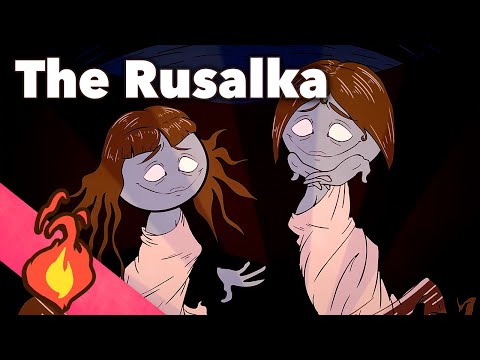
The Rusalka is a captivating figure in Slavic folklore, embodying the mysteries of water and the complexities of nature. These water spirits, often associated with lakes and rivers, are steeped in both beauty and danger, reflecting the duality of the natural world.
Historically, Rusalki have been significant in Slavic cultures, representing the spirits of drowned young women or those who died untimely deaths. Their stories have evolved over the centuries, adapting to the changing beliefs and values of societies. This article aims to explore the origins, characteristics, and cultural impact of Rusalki, as well as their connection to aquatic animals, their representation in art and literature, and their relevance in contemporary culture.
II. Origins of Rusalka Folklore
A. Ancient Slavic Beliefs and Mythology
The origins of Rusalka folklore can be traced back to ancient Slavic beliefs, wherein water was considered a sacred element. Rusalki were often seen as the spirits of women who perished in water, embodying both beauty and malevolence. They were thought to inhabit rivers and lakes, luring men to their watery graves.
B. Evolution of the Rusalka Legend Through the Ages
As Slavic societies evolved, so did the legend of the Rusalka. In early folklore, they were perceived as vengeful spirits, while later interpretations portrayed them as more sympathetic figures, often yearning for love and connection. This shift mirrors the societal changes in attitudes towards women and their roles.
C. Regional Variations in Rusalka Stories
Across different Slavic regions, the tales of Rusalki vary significantly:
- Russian Rusalki: Often depicted as mischievous and alluring, they are known for their enchanting songs.
- Ukrainian Rusalki: Typically associated with the springtime, they are celebrated during Rusalka Week.
- Polish Rusalki: Sometimes regarded as more tragic figures, they are often tied to themes of unrequited love.
III. Characteristics of Rusalki
A. Physical Appearance and Attributes
Rusalki are often described as beautiful young women with long, flowing hair, typically adorned with flowers or water plants. Their physical attributes symbolize their connection to nature, with many tales emphasizing their ethereal beauty and enchanting presence.
B. Behavioral Traits and Personality
In folklore, Rusalki exhibit a complex range of behaviors:
- Playful: They are known to frolic in the water and tease those who approach.
- Vengeful: They can be dangerous, seeking revenge on those who disrespect their domain.
- Lonely: Many tales depict them as yearning for companionship, often leading to tragic encounters with humans.
C. Symbolism of Water and Nature in Rusalka Lore
Water symbolizes life, death, and transformation in Rusalka lore. The dual nature of water—both nurturing and destructive—reflects the Rusalki’s character. They embody the beauty of nature while also representing its darker, more perilous aspects.
IV. The Role of Rusalki in Folklore
A. Rusalki as Guardians of Water Bodies
Rusalki are often regarded as the protectors of rivers and lakes, ensuring the health and purity of their aquatic environments. They serve as a reminder of the importance of respecting nature and the consequences of pollution and overexploitation.
B. Interaction with Humans: Friend or Foe?
The interaction between Rusalki and humans is a central theme in many stories. They can be seen as both friends and foes:
- Friends: Some tales depict them as benevolent spirits who aid lost travelers.
- Foes: Others illustrate their vengeful side, leading men to their doom.
C. The Rusalka’s Influence on Local Customs and Traditions
Rusalki have significantly influenced local customs, particularly in relation to water. Festivals, rituals, and practices often revolve around honoring these spirits to ensure safe travels on water and good harvests.
V. Rusalka and Their Animal Kin
A. The Connection Between Rusalki and Aquatic Animals
Rusalki are often associated with various aquatic animals, which serve as symbols of their power and connection to the water. Fish, frogs, and even swans are commonly linked to these water spirits, reflecting the rich biodiversity of their habitats.
B. Symbolism of Specific Animals in Rusalka Folklore
Specific animals carry unique meanings in Rusalka folklore:
- Fish: Represent abundance and the life-giving properties of water.
- Frogs: Associated with transformation and the connection between land and water.
- Swans: Embody grace and beauty, often linked to love stories involving Rusalki.
C. Legends Featuring Animal Companions of Rusalki
Many legends feature Rusalki with animal companions, showcasing their bond with nature. These stories often highlight the importance of harmony between humans and the natural world.
VI. Rusalka in Literature and Art
A. Representation in Folk Tales and Literature
Rusalki have been depicted in numerous folk tales, with each story adding layers to their character. These narratives often explore themes of love, loss, and the mysteries of nature.
B. Artistic Depictions: Paintings, Sculpture, and Performance
In the arts, Rusalki have inspired countless works. From paintings that capture their ethereal beauty to sculptures and performances that bring their stories to life, they continue to captivate audiences.
C. Modern Interpretations and Adaptations of Rusalka Stories
Contemporary adaptations of Rusalka stories can be found in various forms, including films, novels, and theatrical productions. These modern interpretations often reflect current societal themes and issues while retaining the core essence of the Rusalka myth.
VII. The Rusalka’s Seasonal Celebration
A. Overview of Rusalka Festivals in Slavic Cultures
Rusalka festivals, especially prominent in the spring and early summer, celebrate the beauty of nature and the spirit of the Rusalki. These festivals often involve communal gatherings by water bodies, where rituals are performed to honor the spirits.
B. Rituals and Practices Associated with Rusalka Celebrations
Common rituals during Rusalka celebrations include:
- Offering flowers and food to the water.
- Performing songs and dances by the riverside.
- Creating wreaths to float on water as a tribute to Rusalki.
C. The Significance of Water in Rusalka Festivities
Water plays a central role in these festivities, symbolizing purification, renewal, and the connection between the living and the spirits. The rituals emphasize respect for nature and the importance of maintaining harmony with the environment.
VIII. Rusalka in Contemporary Culture
A. Influence on Modern Media: Film, Television, and Literature
Today, the Rusalka myth has permeated modern media, inspiring filmmakers, writers, and artists. Films often reinterpret the Rusalka’s story, exploring themes of love, betrayal, and the struggle between nature and civilization.
B. The Rusalka Archetype in Global Mythology
The archetype of the Rusalka can be seen in various cultures around the world, representing similar themes of water spirits and their interactions with humans. This universality highlights a shared human fascination with water and the mysteries it holds.
C. Preservation of Rusalka Folklore in Modern Society
Efforts to preserve Rusalka folklore are evident in cultural festivals, academic research, and artistic expressions. These endeavors seek to keep the rich heritage of Rusalki alive, ensuring that future generations can appreciate their significance.
IX. Thematic Analysis of Rusalka Folklore
A. Themes of Life, Death, and Rebirth in Rusalka Stories
The tales of Rusalki often revolve around the cycles of life