The Lamassu in Sumerian Mythology: Exploring its Origins and Early Depictions
I. Introduction
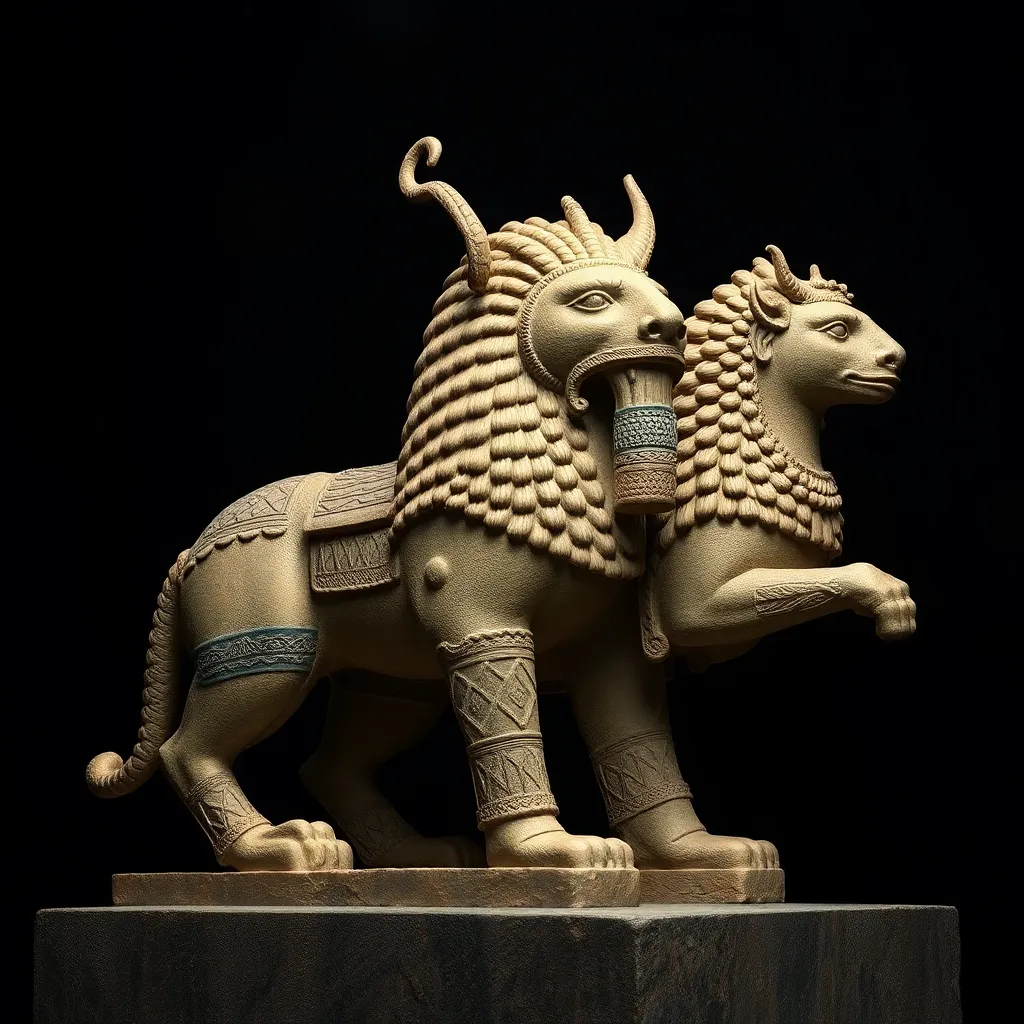
The Lamassu is a mythical creature that has captivated the imagination of scholars and enthusiasts of ancient Mesopotamian cultures. Defined as a protective deity, the Lamassu typically features the body of a bull or lion, the wings of an eagle, and a human head. This unique combination of traits not only signifies its strength and protective nature but also reflects the sophisticated artistry of the Sumerian civilization.
In Sumerian culture, the Lamassu held significant importance as a guardian figure, symbolizing protection and power. This article aims to explore the origins, representations, and cultural significance of the Lamassu within the context of Sumerian mythology, shedding light on its enduring legacy.
II. Historical Context of Sumerian Mythology
The Sumerians, one of the earliest known civilizations, flourished in ancient Mesopotamia, primarily in the region of modern-day Iraq, around 4500 to 1900 BCE. They developed one of the first writing systems, known as cuneiform, and made significant advancements in various fields such as mathematics, astronomy, and architecture.
Central to Sumerian mythology were numerous deities, each representing various aspects of life and nature. Key figures included:
- Anu – the sky god
- Enlil – the god of wind and storms
- Inanna – the goddess of love and war
Mythology played a vital role in Sumerian society, serving not only as a means to explain natural phenomena but also as a framework for understanding human existence and social order.
III. Origins of the Lamassu
The term ‘Lamassu’ is derived from the Akkadian language, with its roots tracing back to Sumerian mythology. The word itself is thought to mean “protective spirit” or “guardian.” Early references to Lamassu can be found in Sumerian texts, indicating a longstanding belief in these protective beings.
Cultural influences from neighboring regions, such as the Akkadians and Babylonians, played a crucial role in shaping the imagery and understanding of the Lamassu, reflecting a shared mythological heritage across ancient Mesopotamia.
IV. Iconography of the Lamassu
The physical characteristics of the Lamassu are striking and highly symbolic. Typically, it is depicted with:
- A human head, representing intelligence and wisdom.
- The body of a bull or lion, symbolizing strength and ferocity.
- Wings, illustrating the creature’s divine connection and ability to transcend realms.
These features collectively convey the Lamassu’s role as a guardian, reinforcing the themes of protection and power. Artistic representations of the Lamassu varied across different periods, reflecting changes in society and artistic techniques.
V. Lamassu in Sumerian Art and Architecture
Notable examples of Lamassu sculptures and reliefs have been discovered in archaeological sites throughout Mesopotamia. One of the most famous representations can be found at the gates of the Assyrian city of Khorsabad, where massive Lamassu statues stand as sentinels.
The placement of Lamassu in temples and palaces served a dual purpose: not only did they act as protectors against malevolent forces, but they also symbolized the power and divine approval of the rulers. Typically situated at entrances, they were believed to ward off evil and ensure safety for those who passed.
The function of the Lamassu as protective figures highlights the deep-rooted belief in the supernatural and the importance of divine guardianship in Sumerian culture.
VI. The Lamassu in Sumerian Religion and Rituals
In Sumerian religious practices, the Lamassu played a significant role as a protective deity. They were often invoked in rituals designed to ensure safety and prosperity. Beliefs surrounding the protective powers of the Lamassu were prevalent, with many considering them vital for the well-being of individuals and the state.
Ritual depictions of Lamassu, whether in carvings or paintings, were imbued with significance. They were not merely artistic representations but held sacred meanings, acting as conduits for divine protection and blessings.
VII. Evolution of the Lamassu in Later Mesopotamian Cultures
The influence of the Lamassu extended beyond the Sumerians, impacting later civilizations, including the Assyrians and Babylonians. These cultures adopted and adapted the Lamassu imagery, integrating it into their own artistic and religious contexts.
While the core characteristics of the Lamassu remained consistent, variations in artistic style and representation emerged, reflecting the cultural shifts and evolving beliefs of subsequent societies. In contemporary times, the Lamassu has been embraced in modern art and popular culture, demonstrating its enduring significance.
VIII. Conclusion
In summary, the Lamassu is a fascinating and multifaceted element of Sumerian mythology, embodying themes of protection, power, and the divine. The exploration of its origins, iconography, and cultural significance reveals a rich tapestry of beliefs that once shaped the lives of the Sumerians.
The legacy of the Lamassu continues to endure, inspiring modern interpretations and adaptations. For those interested in delving deeper into Sumerian mythology, further study of this captivating creature offers a glimpse into the complexities of ancient beliefs and artistic expression.