The Most Bizarre Divine Trials: Myths That Will Leave You Speechless
I. Introduction
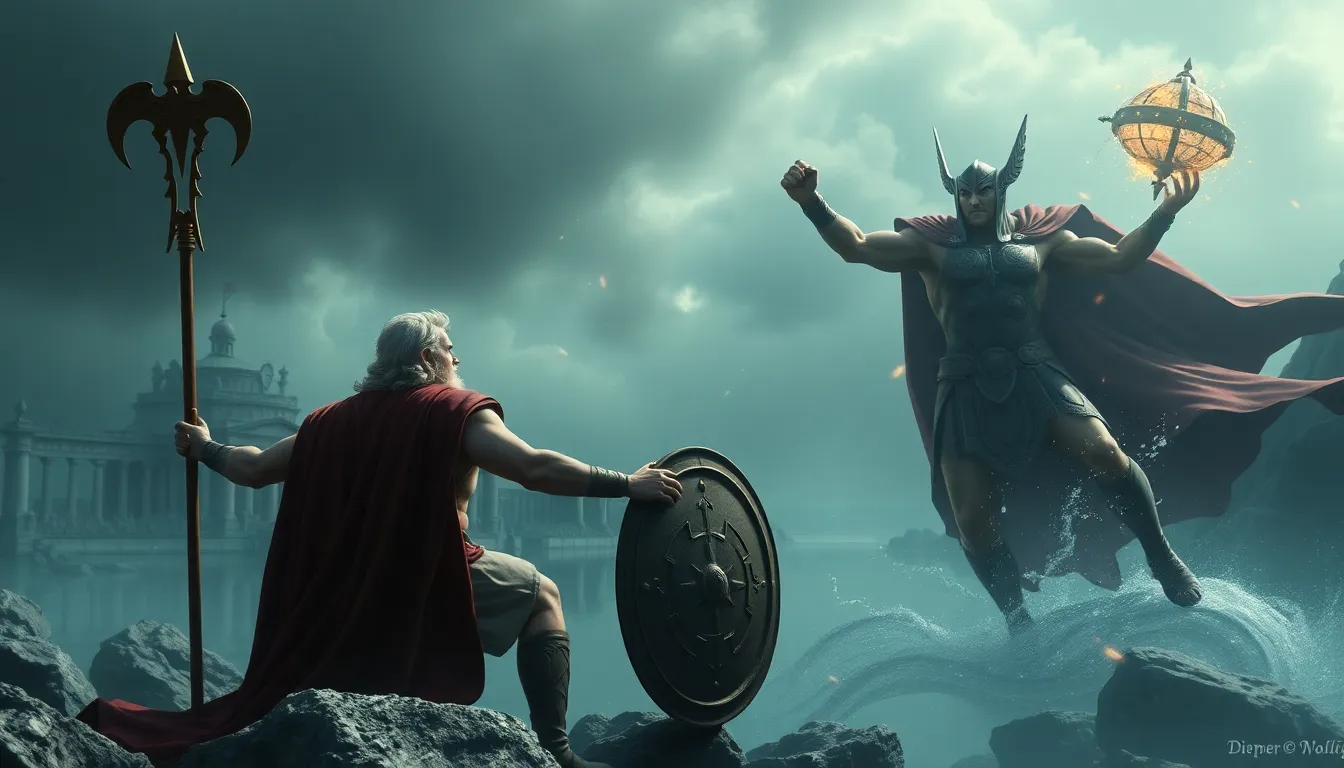
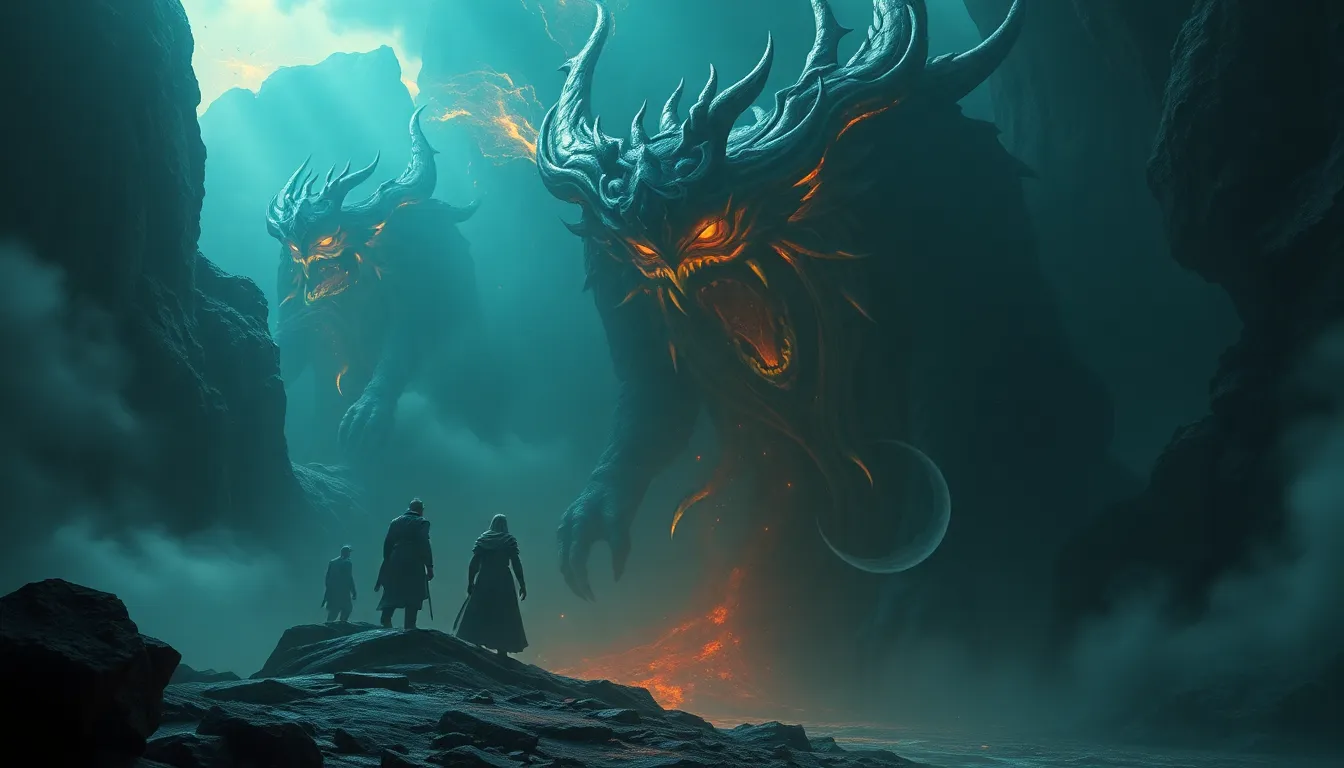
Throughout history, divine trials have played a significant role in mythology, serving as a means to explore the complexities of human nature, spirituality, and the relationship between mortals and the divine. These trials, often bizarre and shocking, challenge characters in profound ways, revealing their strengths, weaknesses, and the moral lessons that emerge from their experiences. In this article, we will delve into some of the most extraordinary divine trials from various cultures, examining their significance and the insights they provide into our own lives.
II. The Origins of Divine Trials in Mythology
Divine trials can be defined as tests imposed by gods or supernatural entities to assess the worthiness, faith, or strength of a mortal. Historically, these trials have served various purposes, from reinforcing moral values to explaining natural phenomena.
The cultural significance of divine trials is immense, as they often reflect the beliefs, values, and struggles of the societies from which they originate. Across different cultures, common themes emerge, including:
- Redemption and forgiveness
- The struggle against chaos and evil
- Personal transformation through hardship
- The quest for knowledge and understanding
III. The Twelve Labors of Hercules: A Hero’s Bizarre Challenges
Hercules, the legendary hero of Greek mythology, was born to Zeus and Alcmene, destined for greatness but also cursed with challenges. His Twelve Labors, a series of bizarre and often perilous tasks, were imposed on him as punishment for a crime he committed while under the influence of madness sent by Hera.
The Twelve Labors include:
- Slaying the Nemean Lion
- Slaying the nine-headed Lernaean Hydra
- Capturing the Golden Hind of Artemis
- Capturing the Erymanthian Boar
- Cleaning the Augean Stables in a single day
- Slaying the Stymphalian Birds
- Capturing the Cretan Bull
- Stealing the Mares of Diomedes
- Obtaining the Girdle of Hippolyta
- Fetching the Cattle of Geryon
- Stealing the Apples of the Hesperides
- Capturing Cerberus, the three-headed dog
These labors not only showcase Hercules’ immense strength but also highlight themes of redemption and perseverance, illustrating that through trials, one can achieve greatness and regain honor.
IV. The Trials of Job: Faith Tested to the Extreme
The story of Job from the Bible presents a profound narrative of faith under extreme duress. Job, a prosperous man, is tested by God when Satan challenges his piety. Stripped of his wealth, health, and family, Job endures relentless suffering, yet he maintains his faith.
The nature of Job’s suffering raises important theological questions about divine justice and the human condition. Interpretations of Job’s trials emphasize:
- The resilience of faith in the face of suffering
- The complexity of divine will and human suffering
- The ultimate restoration of faith and blessings
Job’s story resonates with many who face their own trials, serving as a reminder of the strength found in faith and resilience.
V. The Myth of Prometheus: Punishment for Defiance
Prometheus, a titan in Greek mythology, is famed for stealing fire from the gods and giving it to humanity. This act of defiance against divine authority led to his eternal punishment by Zeus, who had him bound to a rock where an eagle would feast on his liver daily, only for it to regenerate overnight.
This myth not only serves as a cautionary tale about rebellion against divine power but also underscores the theme of sacrifice for the greater good. Prometheus’ gift of fire symbolizes enlightenment and knowledge, highlighting the dangerous yet transformative nature of defiance against the divine.
VI. The Epic of Gilgamesh: A Journey Through Life and Death
The Epic of Gilgamesh tells the story of Gilgamesh, a king who embarks on a quest for immortality after the death of his friend Enkidu. This epic incorporates several trials, particularly in the underworld, where Gilgamesh seeks the secret to eternal life.
Through his journey, Gilgamesh faces numerous challenges that teach him significant lessons about mortality, friendship, and the human condition:
- The acceptance of mortality as an inherent part of life
- The importance of legacy and how one is remembered
- The value of companionship and human connections
Ultimately, Gilgamesh learns that true immortality lies in the lasting impact one leaves behind.
VII. The Trials of Odin: Sacrifices for Wisdom
In Norse mythology, Odin, the Allfather, is known for his relentless pursuit of knowledge and wisdom. His quest leads him to sacrifice one of his eyes at Mimir’s well, a fount of wisdom, and to hang himself on Yggdrasil, the world tree, for nine days and nights to gain the knowledge of the runes.
Odin’s trials illustrate the profound relationship between knowledge, sacrifice, and power. His willingness to endure great suffering highlights the belief that true wisdom often comes at a great cost.
VIII. The Trials of the Hindu Deities: A Cosmic Duel
Hindu mythology is rich with divine trials, one of the most famous being the story of the Churning of the Ocean (Samudra Manthan). In this myth, the gods and demons collaborate to churn the ocean to obtain the nectar of immortality, facing numerous bizarre challenges along the way, including the emergence of various divine and supernatural beings.
This epic tale encompasses themes of cooperation, balance, and the cosmic struggle between good and evil. The trials faced by the deities during this process serve to emphasize:
- The importance of dharma (cosmic order)
- The duality of existence and the balance of forces
- The complexity of divine interactions
IX. Modern Interpretations of Bizarre Divine Trials
The influence of ancient myths on contemporary storytelling is profound. Modern literature, films, and art often draw upon the themes and motifs of divine trials, exploring the same fundamental questions of morality, identity, and the human condition. The bizarre trials faced by legendary figures resonate with modern audiences, reflecting our own struggles and aspirations.
Through retellings and reinterpretations, these myths continue to inspire and challenge us, reminding us of the timeless nature of the trials that shape our lives.