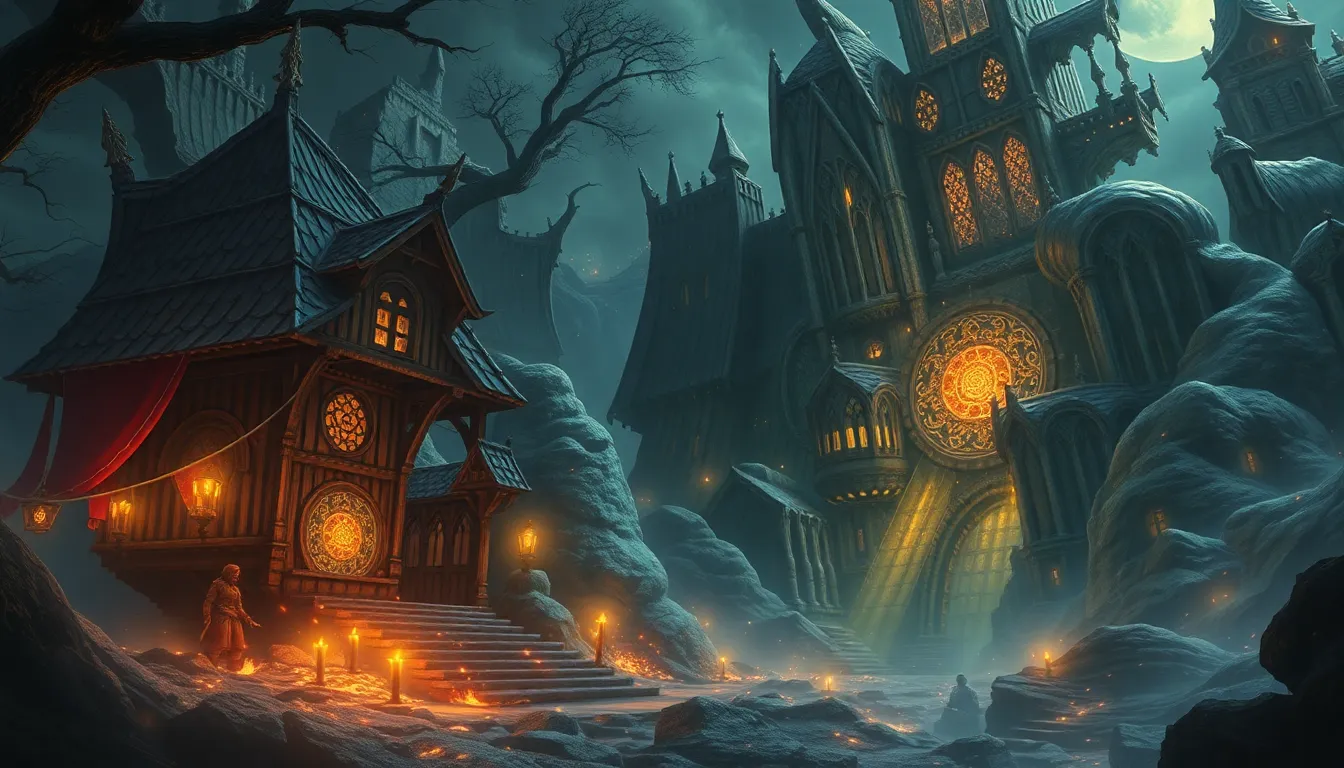
The Quest for the Enchanted Legacy: Myths of Heritage
I. Introduction to Heritage Myths
Heritage myths are narratives that form the backbone of cultural identities, offering insight into the values, beliefs, and histories of communities. These stories often encapsulate significant events, legendary figures, and moral lessons that have been passed down through generations. They are not merely tales; they are the essence of who we are as a people.
The importance of myths in cultural identity cannot be overstated. They serve as a bridge connecting the past with the present, helping individuals understand their place within a larger narrative. This article will explore the origins, themes, and modern relevance of heritage myths, highlighting their role in shaping cultural identities and expressions.
II. The Origins of Heritage Myths
Understanding the origins of heritage myths requires delving into the historical context of cultural storytelling. From ancient civilizations to contemporary societies, storytelling has been a vital means of transmitting knowledge and values. Myths often emerge from the needs of a community to explain natural phenomena, social norms, and existential questions.
Oral traditions play a crucial role in preserving these narratives. Before the advent of written language, myths were shared through spoken word, songs, and rituals, ensuring their survival across generations. These traditions are often enriched by the geographical and environmental contexts of the cultures from which they originate, influencing the themes and characters found within the myths.
III. Common Themes in Enchanted Legacies
Enchanted legacies are characterized by several recurring themes, each contributing to the richness of heritage myths:
- Connection to nature and the supernatural: Many myths emphasize the relationship between humans and the natural world, often depicting nature as a living entity intertwined with the divine.
- The hero’s journey and its significance: Central to many myths is the hero’s journey, a narrative arc that represents personal growth, challenges, and the quest for meaning.
- The role of ancestors and lineage: Myths often highlight the importance of ancestry, linking present generations with their forebears and the wisdom they impart.
IV. Case Studies of Enchanted Legacies Around the World
Examining specific case studies reveals the diverse expressions of enchanted legacies globally:
- Celtic myths and the concept of the Otherworld: In Celtic tradition, the Otherworld is a mystical realm inhabited by fairies and gods, representing a parallel existence that is accessible through specific rites and places.
- Indigenous narratives of creation and connection to land: Many Indigenous cultures have rich creation myths that emphasize their deep connection to the land, portraying it as sacred and integral to their identity.
- Asian folklore and the interplay of spirits and humanity: In various Asian traditions, stories often feature a blend of human and spirit interactions, highlighting moral lessons and the balance between the material and spiritual worlds.
V. The Role of Myths in Modern Society
In contemporary society, myths continue to shape cultural identities in profound ways. They are embedded in literature, film, and art, influencing how we perceive ourselves and each other. The resurgence of interest in heritage myths can be seen in various movements that seek to reclaim and celebrate traditional narratives.
Myths in literature and popular media often serve as vehicles for exploring complex themes of identity, morality, and belonging. They resonate with audiences, tapping into a collective consciousness that transcends time and space.
VI. The Enchanted Legacy in Art and Expression
The influence of heritage myths extends into the realm of art and expression:
- Visual arts inspired by mythological themes: Artists often draw upon mythological subjects, using them to convey deep-seated cultural narratives and evoke emotional responses.
- Performance arts: dance and theatre rooted in legend: Many traditional dances and theatrical performances are based on mythological stories, serving to educate and entertain while preserving cultural heritage.
- Literature and its impact on cultural preservation: Writers continue to reinterpret and adapt myths, ensuring their relevance in contemporary discussions about identity and heritage.
VII. The Psychological and Emotional Impact of Myths
Myths have a significant psychological and emotional impact, serving as tools for understanding personal and collective identity. They provide frameworks for individuals to make sense of their experiences and challenges.
In modern psychology, storytelling is often used therapeutically, helping individuals process trauma and navigate life transitions. Myths offer narratives that can aid in coping with loss and change, providing solace and understanding.
VIII. Challenges in Preserving Heritage Myths
Despite their importance, the preservation of heritage myths faces several challenges:
- Globalization and the dilution of traditional narratives: As cultures intermingle, there is a risk that unique narratives may be overshadowed by dominant global stories.
- The impact of technology on storytelling: While technology can aid in the dissemination of myths, it can also lead to the commodification and oversimplification of complex narratives.
- Efforts to revive and sustain endangered myths: Various initiatives aim to document and revitalize endangered myths, ensuring they remain a vibrant part of cultural heritage.
IX. Engaging with Heritage Myths: How to Get Involved
Engaging with heritage myths can be both rewarding and enriching. Here are some ways to get involved:
- Participating in cultural events and festivals: Attend local festivals that celebrate mythological themes and cultural traditions.
- Supporting local artisans and storytellers: Purchase works from local artists and encourage storytellers who are preserving these narratives.
- Exploring resources for further learning and connection: Read books, watch documentaries, and participate in workshops to deepen your understanding of heritage myths.
X. Conclusion: The Future of Enchanted Legacies
The evolving nature of myths reflects the dynamic landscapes of culture and society. As we move forward, it is essential to continue exploring and respecting our heritage. By engaging with these enchanted legacies, we can foster a deeper appreciation for the narratives that shape our identities and connect us to one another.
In a world that is constantly changing, the quest for understanding our heritage through myths remains a vital pursuit, allowing us to navigate the complexities of modern life while honoring the legacies of those who came before us.