The Quest for the Enchanted Realm: Myths of Fantasy
I. Introduction to the Enchanted Realm
The concept of the enchanted realm has captivated human imagination across cultures and centuries. It refers to a world imbued with magic, wonder, and the extraordinary, often serving as a backdrop for epic tales of adventure and heroism. The significance of these realms extends beyond mere entertainment; they embody the hopes, fears, and values of the societies that create them.
Myths play a crucial role in shaping fantasy narratives, providing archetypes and themes that resonate with audiences. They serve as a bridge between the known and the unknown, inviting readers and viewers to explore the depths of their own imaginations.
II. Historical Perspectives on Fantasy Myths
A. Ancient civilizations and their contributions to fantasy myths
Throughout history, ancient civilizations have contributed significantly to the tapestry of fantasy myths. Two notable examples include:
- Mesopotamian tales: The Epic of Gilgamesh, one of the earliest works of literature, introduces readers to a world of gods, monsters, and quests for immortality.
- Greek mythology: Rich in stories of gods and heroes, Greek myths such as the labors of Heracles and the adventures of Odysseus have laid the groundwork for many modern fantasy narratives.
B. The evolution of fantasy myths through the Middle Ages
During the Middle Ages, fantasy myths underwent significant transformations, heavily influenced by the social and cultural climate of the time. Key developments include:
- Arthurian legends: The tales of King Arthur, Merlin, and the Knights of the Round Table encapsulate themes of chivalry, honor, and the quest for the Holy Grail.
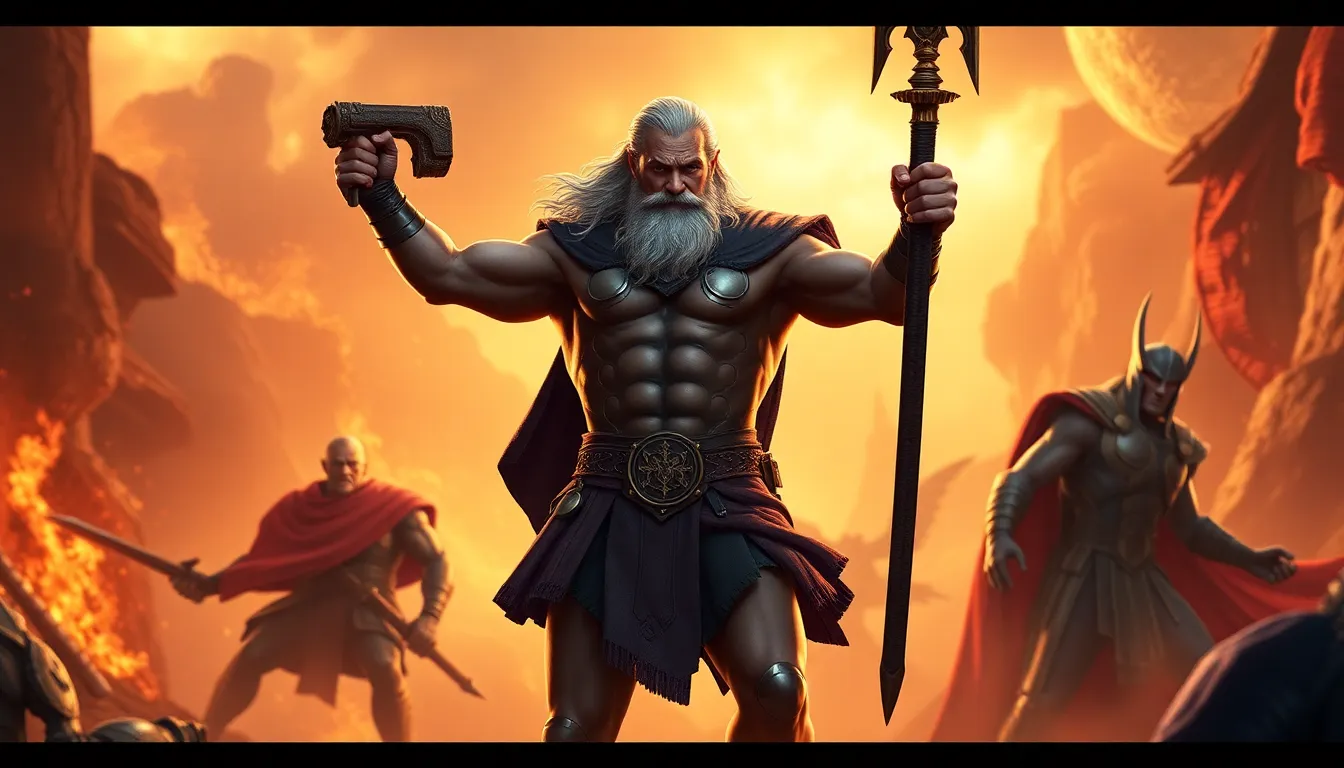
- Norse mythology: Featuring gods like Odin and Thor, Norse myths explore complex themes of fate, heroism, and the cyclic nature of existence.
III. Key Elements of Enchanted Realms
A. Magical creatures: Fairies, dragons, and other fantastical beings
Enchanted realms are often populated by magical creatures that symbolize various aspects of human experience. From fairies that embody nature’s whimsy to dragons representing power and danger, these beings enrich the fantasy landscape.
B. Legendary artifacts and their significance in quests
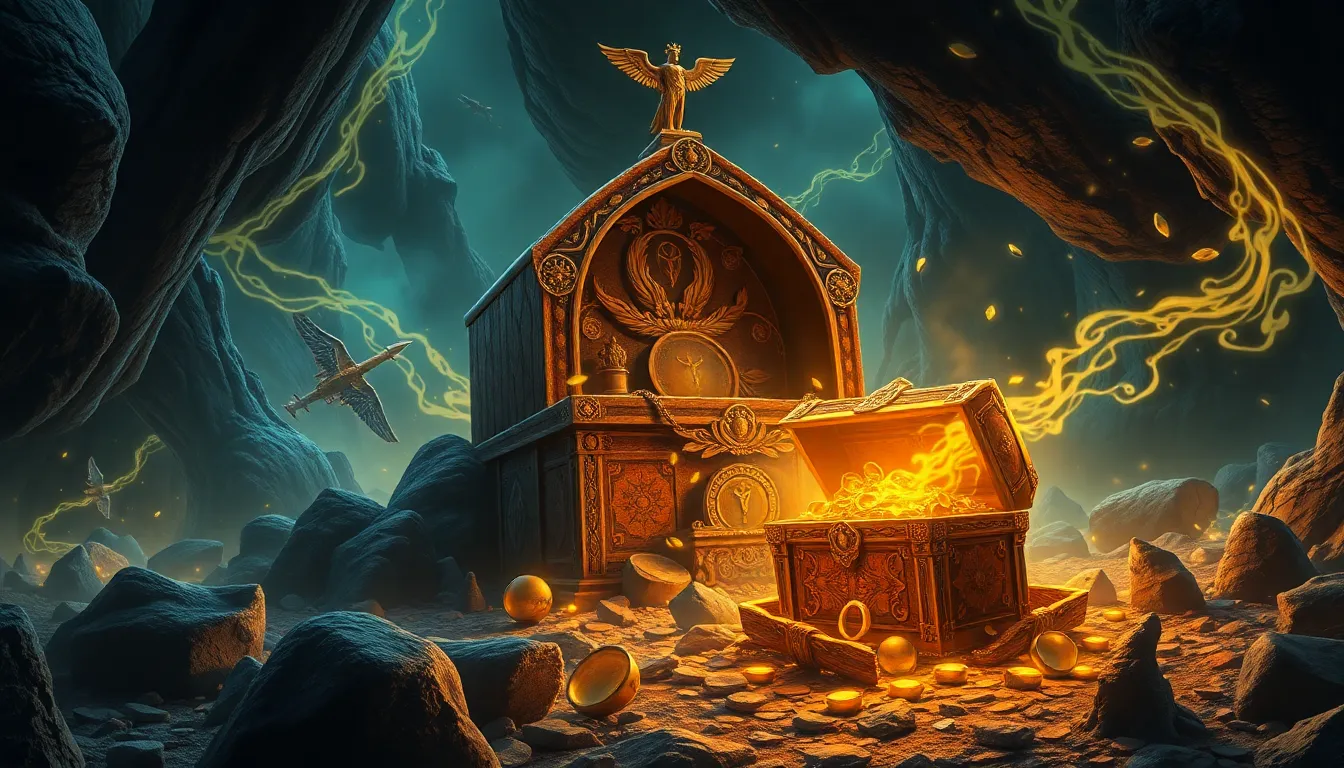
Artifacts such as Excalibur, the One Ring, or the Philosopher’s Stone play pivotal roles in fantasy stories. They often serve as catalysts for the hero’s journey, representing the quest for knowledge, power, or identity.
C. The role of nature and mystical landscapes in fantasy settings
The settings of enchanted realms are often characterized by their lush, mystical landscapes, which can evoke a sense of wonder and adventure. Forests filled with secrets, mountains that touch the skies, and hidden valleys contribute to the enchanting atmosphere of these narratives.
IV. Cultural Variations of the Enchanted Realm
A. Eastern interpretations: Mythical realms in Asian folklore
In Eastern cultures, enchanted realms often take on unique characteristics. For instance, Chinese mythology features the concept of the Eight Immortals, while Indian epics like the Mahabharata introduce fantastical elements like flying chariots and divine beings.
B. African and Indigenous myths: Enchanted realms and their guardians
African and Indigenous myths are rich with narratives about enchanted realms, often featuring guardian spirits and ancestral beings that connect communities to their heritage and the natural world.
C. Contemporary Western fantasy: How modern myths reinterpret the enchanted realm
Modern Western fantasy literature often reinterprets traditional myths, blending classic elements with contemporary themes. Authors like Neil Gaiman and J.K. Rowling have created worlds where the enchanted realm coexists with modern life, making it accessible to today’s audiences.
V. The Hero’s Journey in Fantasy Myths
A. Joseph Campbell’s monomyth: Structure of the hero’s quest
Joseph Campbell’s concept of the monomyth, or the hero’s journey, outlines a universal structure found in many myths. This framework includes stages such as the call to adventure, challenges, and the return home transformed.
B. Case studies: From Odysseus to Frodo Baggins
Examples of the hero’s journey abound in fantasy literature:
- Odysseus: The Greek hero faces numerous trials on his journey home from the Trojan War, showcasing the struggles of perseverance and loyalty.
- Frodo Baggins: In “The Lord of the Rings,” Frodo’s quest to destroy the One Ring mirrors the archetypal hero’s journey, emphasizing themes of friendship and sacrifice.
C. The transformation of the hero through encounters in the enchanted realm
Encounters with magical beings, challenges, and moral dilemmas in enchanted realms serve to transform heroes, shaping their identities and destinies. These experiences often lead to profound personal growth and understanding.
VI. The Role of Enchanted Realms in Modern Literature
A. Influential authors and their contributions (e.g., J.R.R. Tolkien, C.S. Lewis)
Authors like J.R.R. Tolkien and C.S. Lewis have significantly influenced the fantasy genre. Tolkien’s detailed world-building in Middle-earth and Lewis’s allegorical narratives in “The Chronicles of Narnia” have set the standard for enchanted realms in literature.
B. Analysis of popular fantasy series and their take on enchanted realms
Popular series such as “Harry Potter,” “A Song of Ice and Fire,” and “The Wheel of Time” each present unique interpretations of enchanted realms, blending traditional mythological elements with innovative storytelling.
C. The impact of fantasy literature on contemporary culture
Fantasy literature has permeated contemporary culture, influencing art, film, and even social movements. The themes of fantasy resonate with readers seeking escapism and adventure in an increasingly complex world.
VII. The Enchanted Realm in Film and Media
A. Adaptations of fantasy myths in cinema
Cinema has brought many fantasy myths to life, with adaptations of works like “The Lord of the Rings” and “Harry Potter” achieving immense popularity. These films often enhance the visual and emotional impact of the original stories.
B. The visual representation of enchanted landscapes
The enchanting landscapes depicted in films can captivate audiences, creating immersive experiences that transport viewers to fantastical worlds. Techniques such as CGI have revolutionized how these realms are visualized.
C. The influence of animated films on the perception of fantasy
Animated films, particularly those from studios like Disney and Studio Ghibli, have popularized enchanted realms for younger audiences, instilling a love for fantasy from an early age.
VIII. The Psychological and Philosophical Underpinnings of Fantasy Myths
A. The function of fantasy myths in human psychology
Fantasy myths fulfill essential psychological needs, offering escapism, a sense of agency, and a space for exploring complex emotions and moral dilemmas in a safe environment.
B. Themes of escapism versus reality in enchanted realms
While enchanted realms provide a means of escape, they also prompt reflections on reality, highlighting the contrast between the mundane and the extraordinary. This duality can inspire individuals to seek change in their own lives.
C. Moral lessons and philosophical inquiries embedded in fantasy narratives
Many fantasy narratives carry moral lessons and philosophical inquiries, encouraging readers to reflect on concepts such as heroism, sacrifice, and the nature of good and evil.
IX. The Future of Fantasy Myths and Enchanted Realms
As society evolves, so too will the myths of fantasy. The future of enchanted realms will likely reflect changing cultural values, technological advancements, and new ways of