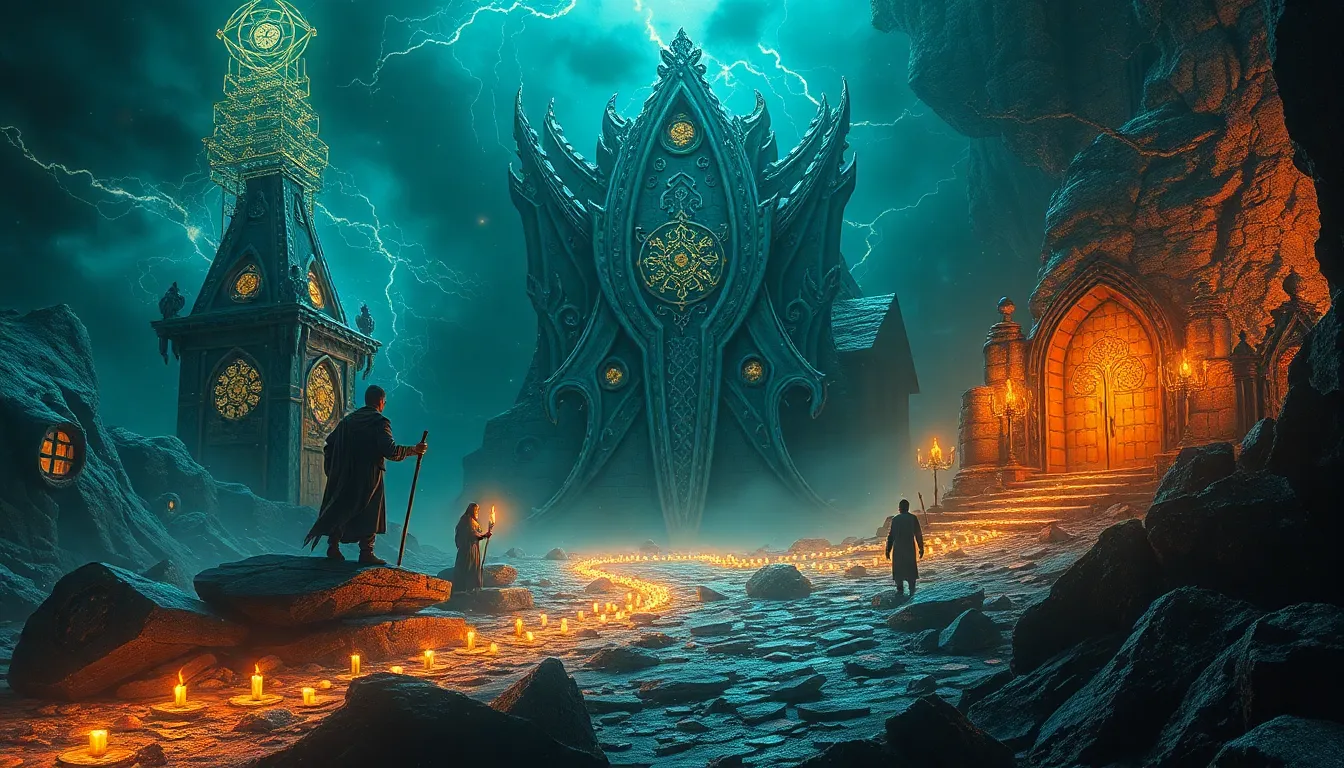
The Quest for the Legendary Adventure: Myths of Thrills
Introduction: The Allure of Adventure Myths
Adventure myths are stories that capture the essence of exploration, bravery, and the quest for the unknown. These narratives have been woven into the fabric of cultures across the globe, offering profound insights into human nature and the longing for adventure. From ancient tales of heroic journeys to modern interpretations, these myths inspire individuals to seek thrills and embrace the unknown.
Historical Context: The Roots of Adventure Myths
The roots of adventure myths can be traced back to ancient civilizations. Stories such as the Epic of Gilgamesh and the odyssey of Odysseus illustrate the timeless appeal of adventure. Gilgamesh’s journey in search of immortality and Odysseus’ long voyage home are not merely tales of physical journeys; they are explorations of the human spirit.
Throughout history, these narratives have evolved, reflecting the values and beliefs of the societies that created them. From the heroic sagas of the Greeks to the chivalric tales of medieval Europe, adventure myths have served as both entertainment and moral instruction.
Cultural Perspectives: Adventure Myths Across the Globe
Adventure myths vary significantly across cultures, each offering unique interpretations of the concept of adventure. For instance:
- Native American Legends: These stories often emphasize harmony with nature and the spiritual journey of the hero.
- Norse Sagas: Tales of gods and warriors highlight bravery, fate, and the inevitability of death.
- Asian Epics: Narratives like the Ramayana and Mahabharata include quests that intertwine moral lessons with thrilling exploits.
Geography and environment significantly shape these adventure narratives, as they reflect the challenges and wonders faced by different cultures. The mountains, rivers, and forests of a region often serve as the backdrop for these epic tales.
Psychological Appeal: Why We Crave Adventure
The allure of adventure is deeply rooted in human psychology. Several factors contribute to this craving for thrilling experiences:
- Curiosity: The innate desire to explore the unknown drives people to seek out adventures.
- Adrenaline Rush: Engaging in thrilling activities releases endorphins, creating a sense of euphoria.
- Personal Growth: Adventure challenges individuals, promoting resilience and self-discovery.
Engaging in adventure serves as a powerful catalyst for personal growth, allowing individuals to confront their fears and expand their horizons.
Modern Adaptations: Adventure Myths in Popular Media
In contemporary society, adventure myths have been reinterpreted and adapted into various forms of media. Literature, film, and video games have brought these timeless stories to new audiences. Some notable examples include:
- Indiana Jones: This franchise blends historical myths with thrilling archaeology and adventure.
- The Lord of the Rings: J.R.R. Tolkien’s epic saga draws heavily from ancient myths and folklore, creating a rich narrative of good versus evil.
- Video Games: Titles like “Uncharted” and “The Legend of Zelda” allow players to immerse themselves in adventures reminiscent of classic myths.
These adaptations not only entertain but also keep the spirit of adventure alive, inspiring new generations to embark on their own quests.
The Thrill-Seeker’s Journey: Real-Life Adventures Inspired by Myths
Many individuals have pursued legendary adventures inspired by these age-old myths. Stories abound of people who have taken risks to explore uncharted territories or to fulfill personal dreams. Examples include:
- Mountaineers: Climbers who tackle peaks like Everest often draw inspiration from heroic tales of conquest.
- Explorers: Individuals like Bear Grylls and Sir Ranulph Fiennes embody the spirit of adventure by undertaking extreme expeditions.
- Travelers: Many adventurers seek to retrace the steps of legendary figures, such as following the Silk Road or sailing the Pacific like ancient navigators.
The impact of these quests often extends beyond personal achievement, fostering community engagement and cultural exchange.
Challenges and Risks: The Dark Side of the Adventure Quest
While the pursuit of adventure can be exhilarating, it is not without its dangers. Engaging in risky activities often leads to unforeseen consequences. Myths like Icarus and Pandora serve as cautionary tales, warning against hubris and recklessness. Key points to consider include:
- Physical Risks: Adventure sports can lead to injuries or even fatalities.
- Mental Health: The pressure to seek thrills can sometimes lead to anxiety or compulsive behavior.
- Environmental Impact: Reckless adventuring can harm natural ecosystems and cultural sites.
It is essential to balance the thrill of adventure with a respect for safety and the environment.
The Role of Technology: Enhancing or Detracting from Adventure?
Modern technology has transformed the way we experience adventure. Innovations such as virtual reality provide new avenues for exploration, while social media allows individuals to share their adventures with a global audience. However, this digital landscape raises questions about authenticity:
- Virtual Reality: Offers immersive experiences without the physical risks of the real world.
- Social Media: Can enhance the sense of community but may also promote a superficial understanding of adventure.
- Digital Escapism: Risks detracting from genuine exploration as people may prefer curated experiences over authentic adventures.
Finding a balance between embracing technology and engaging in real-life adventures is crucial for true exploration.
Creating Your Own Adventure: Steps to Embark on a Personal Quest
For those inspired to seek their own legendary adventures, here are some practical tips to embark on a personal quest:
- Identify Your Passion: Determine what excites you—be it hiking, traveling, or something else.
- Set Goals: Establish achievable objectives for your adventure, whether they are short-term or long-term.
- Research: Learn about the myths and legends related to your chosen path to gain inspiration.
- Prepare: Equip yourself with the necessary skills and gear for your adventure.
- Embrace the Journey: Understand that the adventure is as much about the experiences along the way as it is about the destination.
Drawing inspiration from traditional myths can enrich your journey and deepen your understanding of what it means to be an adventurer.
Conclusion: The Timeless Nature of Adventure Myths
Adventure myths have an enduring appeal that transcends time and culture. They capture the essence of exploration and the human spirit’s quest for the unknown. In a world where the everyday can feel monotonous, these myths inspire us to embrace the spirit of adventure in our lives. Whether through real-life quests or the stories we share, the call of adventure remains as powerful as ever.