The River of Legends: Myths That Shaped Cultures
Introduction: The Power of Myths
Myths are foundational narratives that encapsulate the beliefs, values, and experiences of cultures throughout time. They serve as a means of understanding the world, providing explanations for natural phenomena, and guiding moral conduct. Often steeped in the fabric of a culture’s identity, myths can range from creation stories to tales of heroism and tragedy. One of the most potent symbols in many myths is the river, which often serves as a metaphor for life, death, and the passage of time.
Rivers, with their flowing waters and life-sustaining properties, have been revered across civilizations. They not only shape the landscape but also the cultures that emerge alongside them. Through various myths, rivers become sacred entities, embodying the essence of life itself.
The Role of Rivers in Human Civilization
Historically, rivers have been indispensable to the development of human civilizations. They provide essential resources such as water for drinking, agriculture, and transportation. As focal points of life, rivers foster settlements and promote trade and cultural exchange.
Some pivotal rivers in human history include:
- The Nile: Crucial to ancient Egyptian civilization, the Nile’s annual flooding deposited nutrient-rich silt, allowing agriculture to flourish and sustaining one of the world’s earliest civilizations.
- The Ganges: Regarded as sacred in Hinduism, the Ganges is not only a vital water source but also a symbol of purity and spiritual cleansing.
- The Mississippi: A lifeline for trade and transport in the United States, the Mississippi River has played a significant role in the cultural development of the American South.
The Mythical Origins of Major Rivers
Many rivers are steeped in creation myths that explain their origins and significance. These stories often reflect the cultural values and beliefs of the people who live near them.
For example:
- The Ganges: According to Hindu mythology, the Ganges is personified as the goddess Ganga, who descended from the heavens to purify the souls of the deceased and offer them salvation.
- The Nile: In Egyptian lore, the Nile was believed to be a gift from the god Hapi, who personified fertility. The river’s annual flooding was seen as a divine blessing that ensured agricultural prosperity.

Rivers as Symbols of Life and Death
Rivers frequently symbolize the cycle of life and death in various mythologies. They represent the passage from life to the afterlife, embodying both creation and destruction.
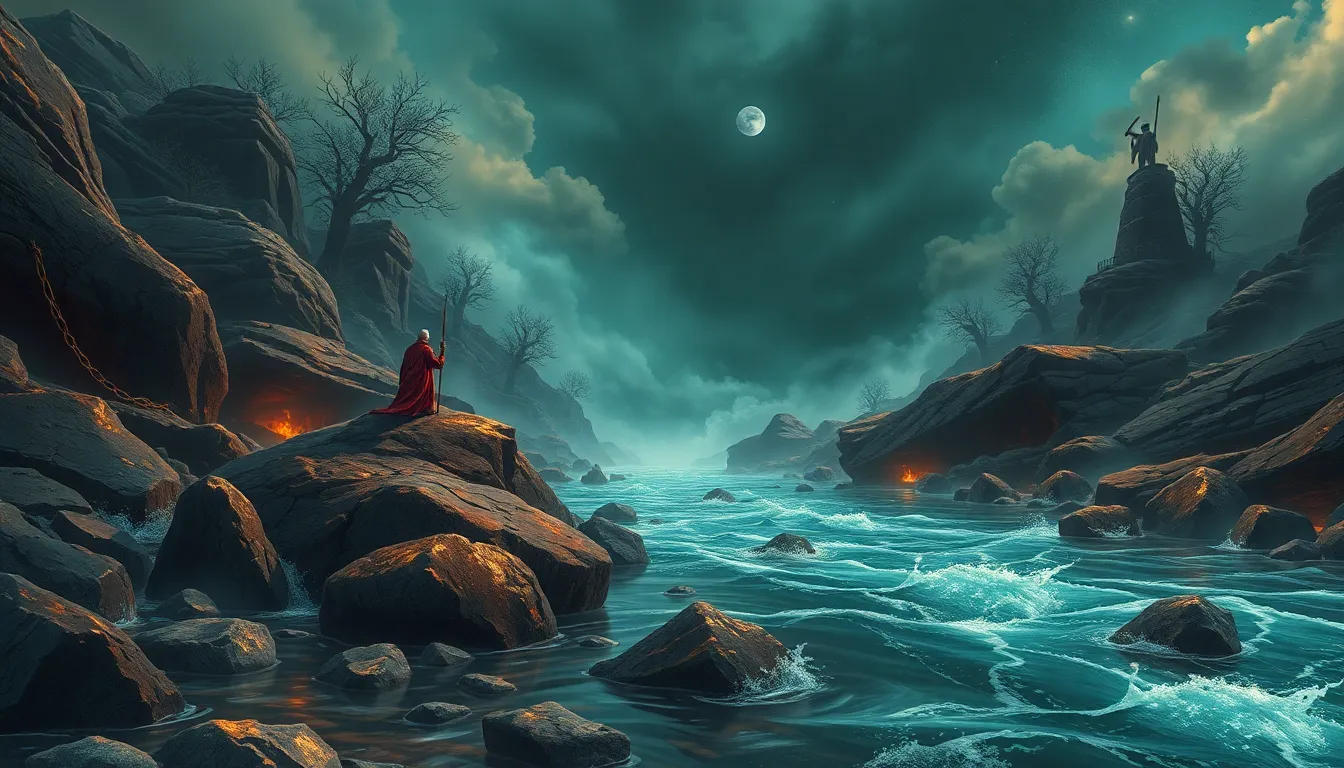
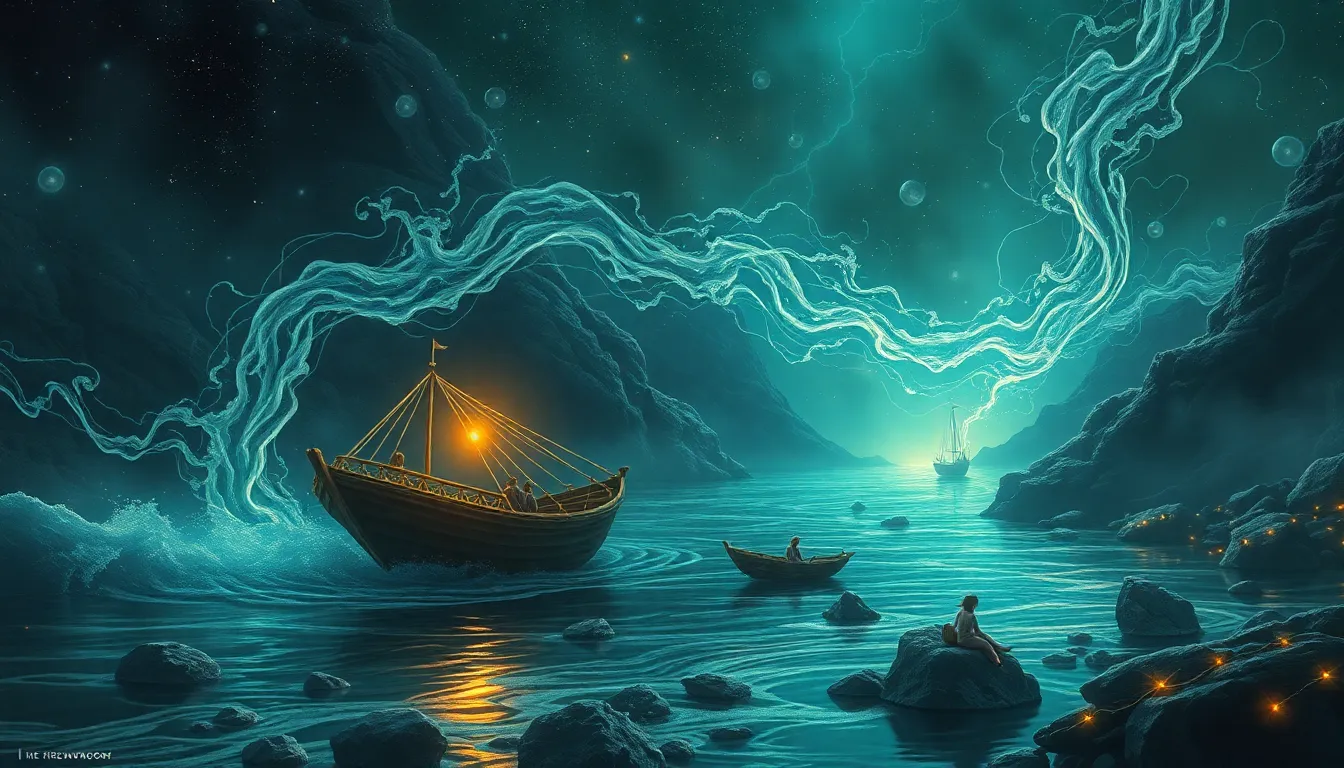
In Greek mythology, the River Styx serves as a critical boundary between the living and the dead. Souls are ferried across the Styx by Charon, the boatman, to reach the realm of the dead. This river signifies not only death but also the importance of proper burial rites, as those who cannot pay Charon are said to wander the shores forever.
Cultural Variations in River Myths
River myths vary widely across cultures, shaped by geographical, environmental, and societal factors. These differences illustrate how communities interpret their natural surroundings and weave them into their mythologies.
For instance:
- In Native American cultures, rivers often embody spirits and serve as pathways to the spiritual world.
- In Chinese mythology, the Yellow River is celebrated as the cradle of Chinese civilization, associated with numerous legends of ancient heroes.
- African tribes often personify rivers as deities that govern fertility and prosperity.
Rivers in Folklore: Tales and Legends
Rivers feature prominently in folklore, acting as settings for tales that convey moral lessons or cultural values. These stories often highlight human relationships with nature and the supernatural.
Some notable folktales include:
- The story of the Selkie from Scottish folklore, where a river serves as a boundary between the human and the mystical realms.
- The River of Life in African folklore, which tells of a river that grants eternal life to those who drink from its waters.
- In Hindu folklore, the tale of Bhagirath who brings the Ganges down to Earth to save his ancestors.
The Transformation of River Myths Over Time
As societies evolve, so too do their myths. Modern interpretations of ancient river myths often reflect contemporary values and issues, showcasing the adaptability of these narratives.
Globalization and technology have significantly influenced how these myths are perceived and retold. Traditional stories may be adapted into films, literature, and art, often stripping them of their original cultural contexts.
Rivers in Literature and Art
Rivers and their associated myths have long been a source of inspiration in literature and visual arts. They appear in various forms, from poetry to painting, symbolizing deeper themes of life, nature, and spirituality.
Notable works include:
- The River Merchant’s Wife: A Letter by Ezra Pound, which beautifully illustrates the emotional and physical distance represented by a river.
- Huckleberry Finn by Mark Twain, where the Mississippi River serves as a backdrop for themes of freedom and adventure.
- Various paintings by Claude Monet that depict rivers and their tranquil beauty, reflecting the impressionist movement’s fascination with nature.
Environmental Perspectives: Rivers and Myths in Contemporary Society
In contemporary society, the myths surrounding rivers often influence environmental attitudes and conservation efforts. Rivers that have been revered in myths become symbols for environmental movements, advocating for their protection and restoration.
Examples include:
- The Amazon River, often referred to as the “lungs of the Earth,” is central to numerous indigenous myths and is now a focal point in global discussions on climate change.
- The Ganges River, which, despite its pollution challenges, remains a symbol of purity and is the subject of numerous restoration efforts.
Conclusion: The Enduring Legacy of River Myths
The myths surrounding rivers are a testament to their significance in human culture and identity. They reflect our deepest fears, hopes, and understanding of nature. As we face environmental challenges, it is crucial to preserve these narratives and recognize their power in shaping community values and cultural heritage.
By understanding and respecting the symbolic power of rivers, we can foster a deeper connection to our environment and ensure the legacy of these myths continues to inspire future generations.