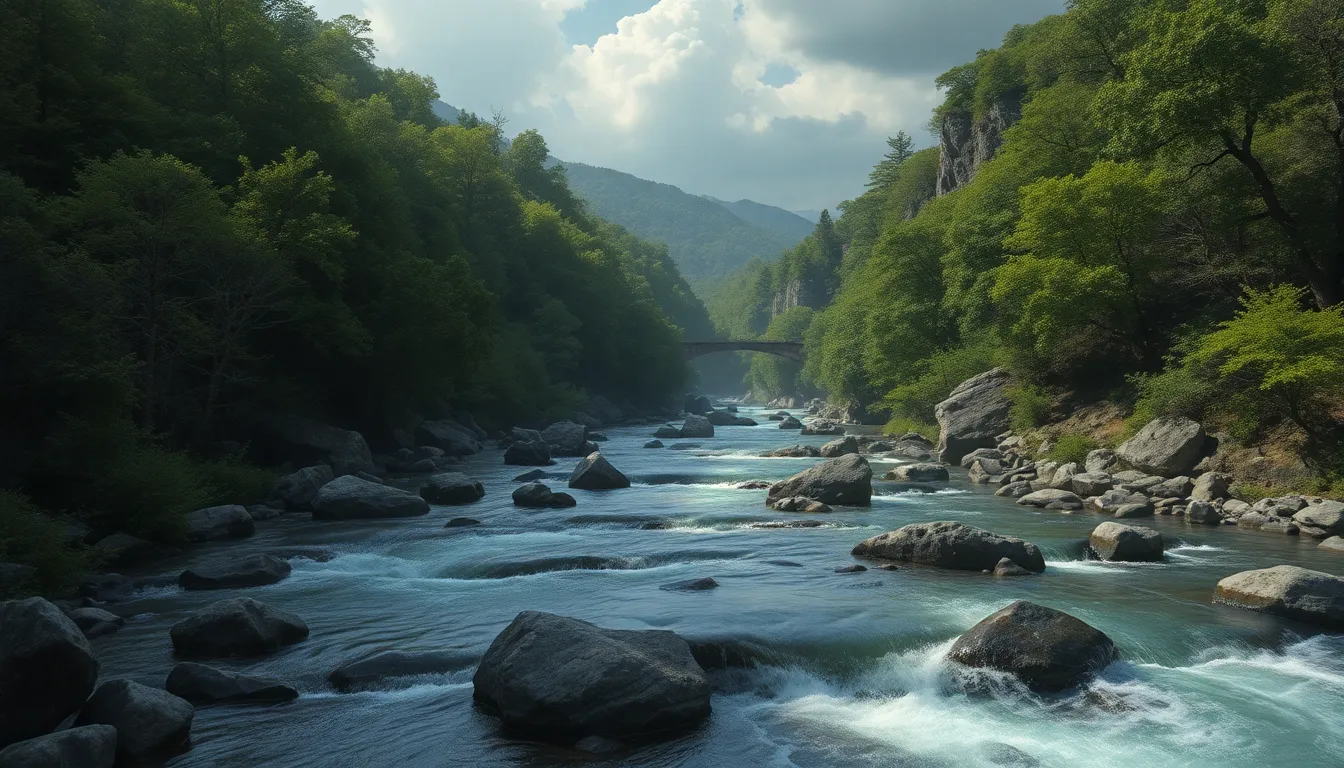
The River of the Wild: Myths of Nature’s Untamed Spirit
Introduction: The Interplay of Myth and Nature
The concept of the “wild” in nature is often intertwined with the unpredictable, untamed forces that shape our world. Rivers, as dynamic and flowing entities, embody this wild spirit, serving as powerful symbols in various cultures and mythologies. They represent life, destruction, and the passage of time, and their presence has inspired countless stories and beliefs throughout history.
This article explores the multifaceted relationship between rivers and humanity through the lens of mythology. We will delve into how rivers symbolize life and continuity, the legends of river spirits, the untamed spirit of nature, cultural narratives surrounding rivers, and much more. Each section will illustrate the profound impact rivers have had on human culture and the ways in which they continue to inspire our understanding of the natural world.
The River as a Symbol of Life and Continuity
Rivers have long been regarded as lifelines for civilizations. They provide water, food, and transportation, making them vital for sustenance and livelihood. The significance of rivers can be seen in various myths and legends that illustrate their life-giving properties.
Some key examples include:
- The Nile: Revered in ancient Egyptian culture, the Nile was seen as a divine gift that brought fertility to the land, allowing agriculture to flourish along its banks.
- The Ganges: In Hinduism, the Ganges is personified as the goddess Ganga, believed to purify sins and provide spiritual liberation to those who bathe in its waters.
These myths reflect the essential role rivers play in supporting life, emphasizing the deep connection between humans and the natural world.
Legends of River Spirits and Deities
Across different cultures, rivers are often personified through gods and spirits, representing the duality of their nature as both nurturing and destructive forces. These entities frequently embody the characteristics of the rivers they inhabit.
Some notable river gods and spirits include:
- Yamuna: In Hindu mythology, the Yamuna River is associated with love and devotion, particularly in the stories of Krishna.
- The River Styx: In Greek mythology, the Styx is a boundary between the living and the dead, symbolizing the river’s role in the journey to the afterlife.
These myths not only illustrate the importance of rivers but also highlight the complex relationships humans have with nature, where reverence and fear coexist.
The Untamed Spirit: Nature’s Indomitable Force
The concept of the “untamed spirit” is vividly embodied in the unpredictable nature of rivers. Myths often depict rivers as both creators and destroyers, capable of nurturing life while also causing devastation through floods or erosion.
Case studies of significant rivers illustrate this duality:
- The Mississippi River: Known for its historical floods that reshaped entire regions, the Mississippi has been both a source of life and a force of destruction.
- The Amazon River: Revered for its biodiversity, the Amazon is also a powerful entity that has influenced weather patterns and local ecosystems.
These stories remind us of nature’s power and the need to respect and coexist with the wild forces that shape our environment.
Cultural Narratives: Rivers in Art and Literature
Rivers have served as a rich source of inspiration in art and literature, symbolizing various themes such as journey, transformation, and the passage of time. Artists and writers have long drawn from the beauty and power of rivers to express complex emotions and ideas.
Some notable examples include:
- Paintings: Artists like Claude Monet captured the ephemeral beauty of rivers in their landscapes, emphasizing the changing nature of light and water.
- Poetry: Poets such as Langston Hughes and William Wordsworth have used rivers as metaphors for life’s journey and the flow of time.
- Folklore: Many cultures have rich traditions of storytelling that incorporate rivers as central motifs, reflecting their significance in the collective consciousness.
The narratives surrounding rivers contribute to cultural identity and values, shaping how societies perceive their relationship with nature.
The River as a Pathway to the Divine
Rivers often hold spiritual significance in various religious traditions, serving as pathways to the divine. They are commonly associated with rituals and ceremonies that emphasize purification and renewal.
In many faiths, rivers symbolize a journey to enlightenment or rebirth. For instance:
- Baptism: In Christianity, water represents purification and spiritual rebirth, often performed through the act of baptism in rivers.
- Rituals in Hinduism: Pilgrimages to the Ganges River involve rituals of bathing and offering, believed to cleanse the soul.
These practices highlight the sacredness of rivers and their role in connecting humans to the divine.
Modern Interpretations: Environmental Myths and Realities
In contemporary times, the focus has shifted from mythological to ecological perspectives on rivers. As we face environmental challenges such as pollution and climate change, the lessons from mythology can inform our efforts to protect these vital ecosystems.
Some of the challenges facing rivers today include:
- Pollution: Industrial waste and plastic pollution continue to threaten river health and biodiversity.
- Climate Change: Altered weather patterns are leading to unpredictable flooding and droughts in river regions.
Understanding the myths surrounding rivers can play a crucial role in promoting conservation efforts and fostering a deeper appreciation for these natural wonders.
The Intersection of Myth and Science: Understanding River Ecosystems
Mythological beliefs can coexist with scientific understanding, providing a holistic perspective on river ecosystems. The interplay between traditional ecological knowledge and modern science can lead to sustainable practices that benefit both nature and humanity.
Some case studies demonstrate the importance of river ecosystems and biodiversity:
- The Amazon Rainforest: Home to countless species, the Amazon River and its tributaries are crucial for global biodiversity.
- The Mississippi River Delta: This ecosystem supports diverse wildlife and is vital for coastal protection against storms.
Integrating mythological perspectives with scientific knowledge can enhance our understanding of rivers and encourage sustainable stewardship of these essential resources.
Personal Reflections: Encountering the Wild River
Experiencing untamed rivers often leads to profound personal transformations. Many individuals recount moments spent by riverbanks, where the beauty and power of nature evoke a sense of wonder and introspection.
Through personal stories, we see how rivers can inspire:
- Connection to Nature: Time spent near rivers fosters a deep appreciation for the natural world and its complexities.
- Reflection and Clarity: The tranquility of flowing water provides a space for contemplation and self-discovery.
These encounters with wild rivers remind us of the importance of preserving these natural treasures for future generations, ensuring that the myths and realities of rivers continue to shape our lives.