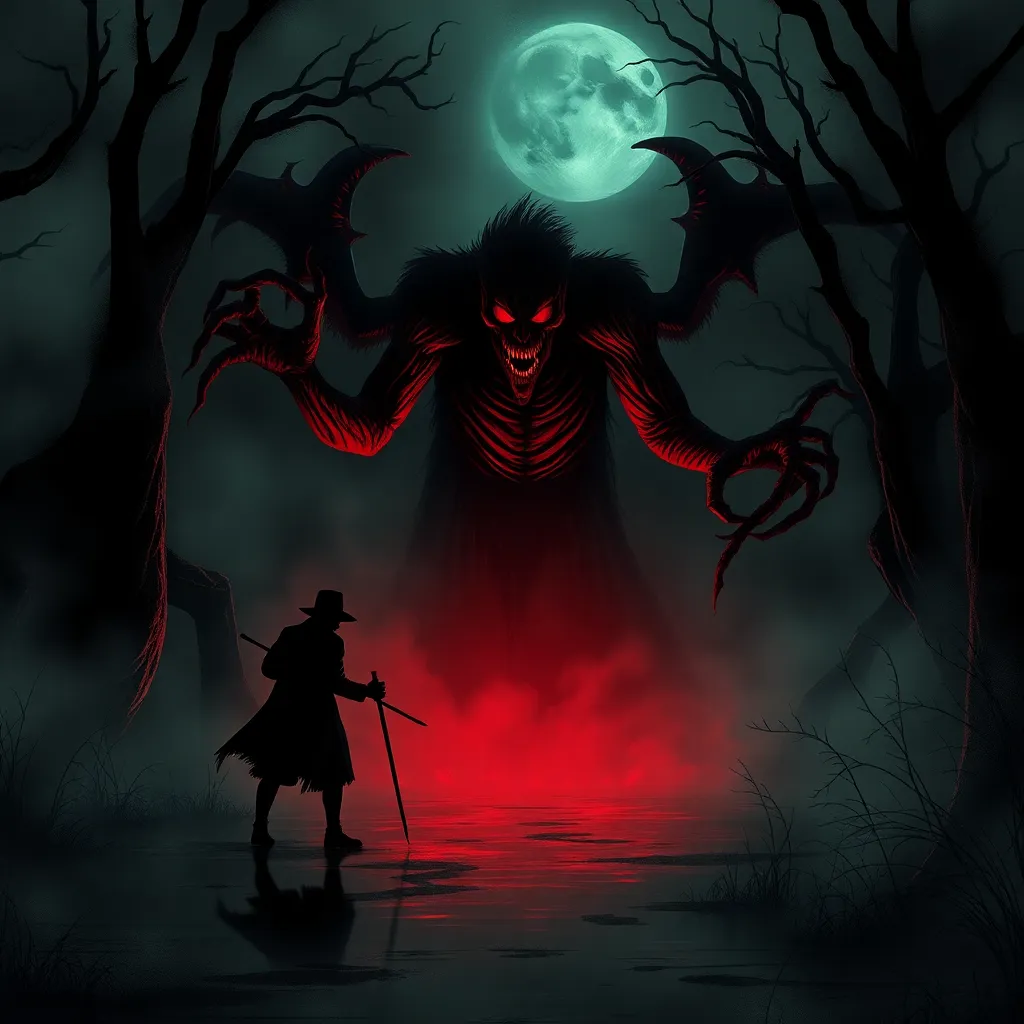
The Trials of Xibalba: Ah Puch and the Challenges of the Underworld
I. Introduction to Xibalba
Xibalba, often referred to as the “Place of Fear,” holds a significant place in Maya mythology. It is depicted as a dark and daunting underworld, a realm where the souls of the deceased must navigate challenges and trials after death. Xibalba is not merely a place of punishment; it is a complex environment that embodies the duality of life and death in Maya cosmology.
At the center of this underworld is Ah Puch, the Lord of Death. Ah Puch is a pivotal figure who governs the fates of souls as they journey through Xibalba, ensuring that the balance between life and death is maintained.
II. Ah Puch: The Face of Death in Maya Culture
Ah Puch is often depicted as a skeletal figure adorned with symbols of decay and death, such as a skull and a serpent. His appearance is both fearsome and mesmerizing, embodying the inevitability of death that permeates Maya beliefs.
Ah Puch plays a crucial role in the cycles of life and death. He is responsible for guiding souls to their final resting places, overseeing the passage of life into death. This responsibility is reflected in various myths where he is portrayed as both a judge and a guide.
In Maya cosmology, Ah Puch symbolizes the necessary end that comes before a new beginning. His presence reminds the living of the transient nature of existence and the importance of honoring the dead through rituals and offerings.
III. The Structure of Xibalba: Realms and Trials
Xibalba is structured into several realms, each representing different aspects of the afterlife and the trials faced by souls. The journey through Xibalba is fraught with challenges, designed to test the resolve and purity of the souls that enter.
- Realm of Darkness: The initial stage where souls encounter shadows and fears.
- Realm of Cold: A place of icy winds that chill the souls, representing despair.
- Realm of Blood: Here, the souls must confront their past actions and the lives they led.
The trials faced by souls in Xibalba are essential to Maya beliefs about the afterlife. They serve as a way to evaluate the worthiness of the deceased, determining whether they will achieve a peaceful rest or face further challenges.
IV. The Hero Twins: Hunahpu and Xbalanque
The myth of the Hero Twins, Hunahpu and Xbalanque, is one of the most celebrated narratives in Maya mythology. These twins are often seen as embodiments of resilience and cunning, representing the triumph of life over death.
Their journey through Xibalba is marked by encounters with Ah Puch and various trials that test their ingenuity and strength. They face challenges such as the House of the Bat and the House of the Jaguar, where they must outwit their adversaries to survive.
The significance of their trials lies in their ultimate victory over death, symbolizing hope and renewal. The Hero Twins’ story serves as an allegory for the human experience, emphasizing the importance of perseverance in the face of adversity.
V. The Role of Sacrifice and Offerings in Xibalba
In Maya culture, rituals associated with Xibalba play a vital role in appeasing Ah Puch and ensuring a smooth transition for the souls of the deceased. These practices often involve elaborate ceremonies and sacrifices.
- Blood Offerings: Sacrifices of animals or even human offerings were made to honor Ah Puch.
- Food Offerings: Special foods were prepared and presented to nourish the spirits.
- Symbolic Rituals: Certain rituals were performed to ensure the deceased’s safe passage through Xibalba.
These offerings highlight the cultural implications of sacrifice in the context of the underworld. They reflect the Maya understanding of reciprocity between the living and the dead, emphasizing that respect for ancestors is critical for maintaining harmony in the universe.
VI. The Influence of Xibalba on Maya Society and Art
Xibalba and Ah Puch have been depicted extensively in Maya art and artifacts, showcasing the importance of the underworld in their society. Pottery, murals, and codices often illustrate scenes from the Hero Twins’ adventures and the trials of Xibalba.
The impact of underworld mythology extends beyond art; it influenced social and religious practices within Maya civilization. The narratives surrounding Xibalba shaped the community’s understanding of life, death, and the afterlife, guiding their rituals and beliefs.
Today, the legacy of Xibalba continues in contemporary Maya culture, where stories of Ah Puch and the trials of Xibalba remain integral to their identity and worldview.
VII. Comparative Mythology: Xibalba in Other Cultures
Examining Xibalba alongside other underworld myths reveals both similarities and differences in how cultures perceive the afterlife. Many cultures feature a realm of the dead where souls undergo trials before reaching their final destination.
- Greek Mythology: The Underworld governed by Hades shares themes of judgment and passage.
- Egyptian Mythology: The journey through the Duat involves trials and the weighing of the heart.
- Hindu Mythology: Naraka features realms where souls face consequences for their earthly actions.
These myths provide insights into how different cultures reflect their values and beliefs about death, morality, and the afterlife.
VIII. Conclusion: The Enduring Enigma of Xibalba
The trials of Xibalba and the figure of Ah Puch encapsulate the Maya’s intricate understanding of life, death, and the afterlife. Through their stories, we witness a rich tapestry of beliefs that continue to resonate with contemporary audiences.
The ongoing fascination with Maya mythology reflects humanity’s universal fears and beliefs about death, offering a lens through which we can explore our own understandings of existence. As we delve into the enigmatic world of Xibalba, we uncover timeless truths about the human experience and our shared journey through life and beyond.