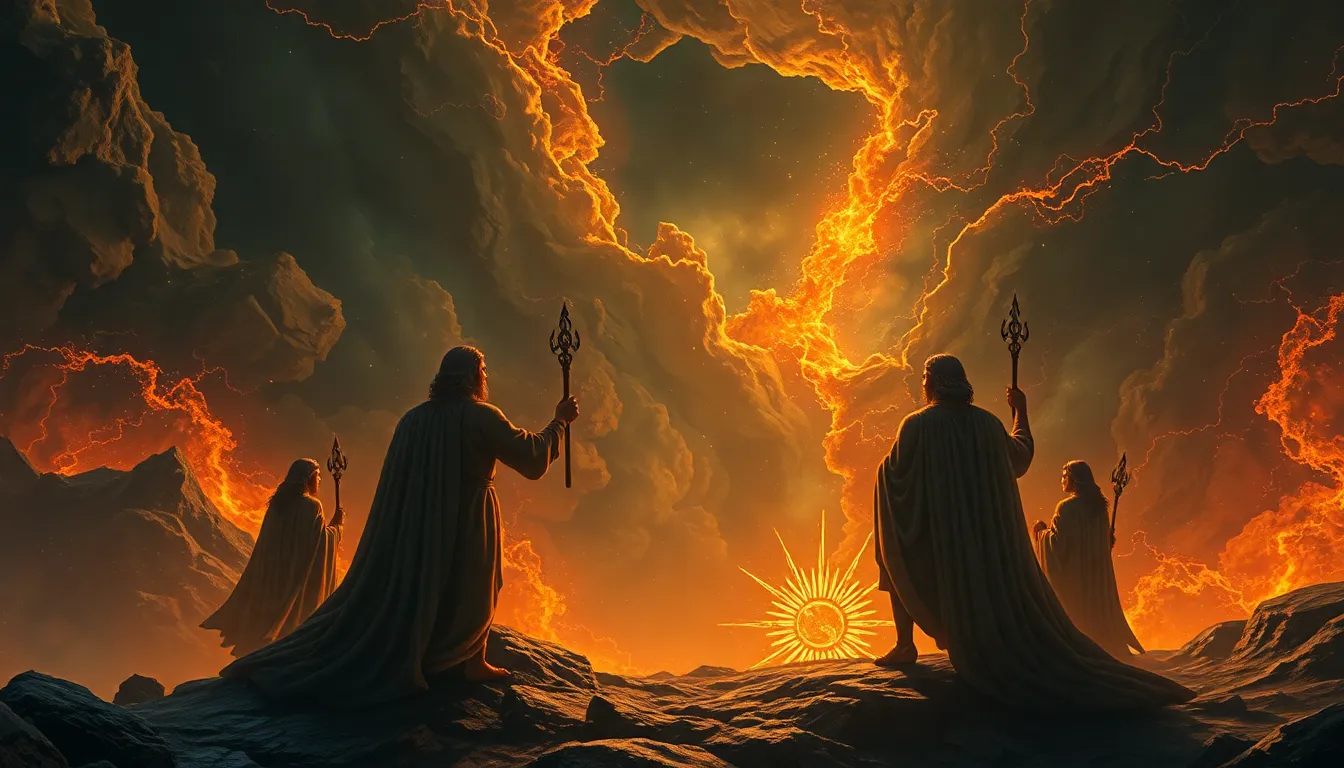
The Gods Are Watching: Myths of Divine Punishments You Should Know
Introduction: The Interplay of Morality and Myth
Throughout history, diverse cultures have woven intricate tapestries of myths that explore the relationship between divine power and human morality. The concept of divine punishment plays a significant role in these narratives, serving as a powerful tool for instilling moral values and shaping societal norms. Myths not only reflect the beliefs of a culture but also act as cautionary tales, warning individuals about the consequences of immoral behavior and the omnipresent gaze of the divine.
The Concept of Divine Justice Across Cultures
In ancient societies, the idea of justice was often intertwined with the supernatural. Many cultures believed that deities were not only observers of human actions but also enforcers of moral order. The following points highlight how various civilizations interpreted divine oversight:
- Ancient Egypt: The concept of Ma’at represented truth, balance, and order, and it was believed that the gods would weigh the hearts of the deceased against a feather in the afterlife, rewarding the just and punishing the wicked.
- Mesopotamia: In the Epic of Gilgamesh, divine beings frequently intervene in human affairs, reflecting a belief in divine justice where moral behavior is rewarded and wrongdoing is punished.
- Indigenous Cultures: Many indigenous myths attribute natural disasters to the displeasure of the gods, emphasizing the connection between human actions and environmental consequences.
Greek Mythology: The Vengeful Deities
Greek mythology is rife with stories of divine punishment, where gods and goddesses exact vengeance on mortals who defy them or violate societal norms. Two notable myths illustrate this theme:
- Prometheus: After stealing fire from the gods to give to humanity, Prometheus is punished by Zeus, who has him bound to a rock where an eagle eats his liver daily, only for it to regenerate each night.
- Niobe: Proud of her children, Niobe boasts about her offspring, claiming superiority over the goddess Leto. As punishment, Leto sends her children, Apollo and Artemis, to kill all of Niobe’s children, leaving her bereaved and turned to stone.
Additionally, the Furies, or Erinyes, were deities of vengeance who pursued those guilty of heinous crimes, particularly familial offenses, ensuring that justice was served through relentless punishment.
Norse Mythology: The Wrath of the Gods
Norse mythology presents a vivid depiction of divine retribution, especially in tales involving the trickster god Loki. His misdeeds lead to dramatic consequences, including the following:
- Loki’s Punishment: After orchestrating the death of the beloved god Baldr, Loki is captured by the gods. He faces a torturous punishment where venom drips onto his face, leading to immense suffering.
- Ragnarok: This apocalyptic event symbolizes a cosmic judgment day where gods, giants, and heroes clash, resulting in the death of many deities and a rebirth of the world, reinforcing the idea of cyclical divine justice.
Hinduism: Karma and Divine Retribution
In Hinduism, the concept of karma embodies the principle of cause and effect, where every action has consequences that can manifest in this life or future reincarnations. Key stories illustrating divine retribution include:
- The Mahabharata: The epic recounts the Kurukshetra War, where the Kauravas face divine punishment for their immoral actions, leading to their destruction.
- The Ramayana: Ravana’s abduction of Sita results in his eventual defeat by Rama, showcasing the belief that evil deeds invite divine retribution.
Christianity: The Notion of Sin and Divine Punishment
Christian teachings often emphasize the relationship between sin, divine punishment, and redemption. Notable biblical narratives that illustrate divine punishment include:
- The Great Flood: In the story of Noah, God decides to cleanse the earth of its wickedness through a flood, sparing only Noah and his family as a sign of mercy.
- Sodom and Gomorrah: These cities are destroyed by divine fire due to their immorality, reinforcing the message of accountability for sinful actions.
Christianity also introduces the concept of repentance, where believers can seek forgiveness, highlighting the dynamic relationship between sin and divine mercy.
Indigenous Myths: Nature’s Retribution
Many indigenous cultures convey the notion of divine punishment through natural events. These myths often reflect a deep connection with nature and the belief that human actions can provoke divine retribution:
- Flood Myths: Various indigenous tales describe catastrophic floods as a response to human greed or disobedience, emphasizing the need for harmony with nature.
- Earthquake Legends: Some myths attribute earthquakes to the anger of the earth or sky gods, serving as a reminder of the consequences of disrespecting the natural world.
These narratives often carry moral lessons, urging communities to live sustainably and in accordance with the natural order.
Modern Interpretations of Divine Punishment
In contemporary society, ancient myths of divine punishment continue to resonate, influencing modern storytelling in various media. Examples include:
- Literature: Books often draw on mythological themes, exploring the consequences of moral failings and the quest for redemption.
- Film: Movies like “The Omen” or “The Seventh Seal” depict characters facing divine judgment, reflecting society’s ongoing fascination with morality and consequence.
- Television: Series such as “American Gods” reinterpret mythological themes, exploring the clash between old and new beliefs regarding divine oversight.
The Psychological Impact of Believing in Divine Punishment
The belief in divine retribution can significantly influence individual behavior and societal norms. Some psychological effects include:
- Conformity to Social Norms: Fear of divine punishment can encourage adherence to moral standards and community rules.
- Guilt and Anxiety: Individuals may experience guilt over perceived transgressions, leading to anxiety about potential divine consequences.
- Hope for Redemption: The belief in divine mercy can provide comfort, allowing individuals to seek forgiveness and strive for moral improvement.
Conclusion: The Enduring Legacy of Divine Punishments in Human Culture
The myths surrounding divine punishment remain relevant in today’s world, serving as poignant reminders of the intricate relationship between morality, justice, and human behavior. They echo the universal truth that actions have consequences, and the lessons drawn from these stories continue to shape our understanding of ethics and accountability. As we navigate an increasingly complex world, the enduring legacy of these myths invites reflection on our own values and the divine forces that may be watching over us.