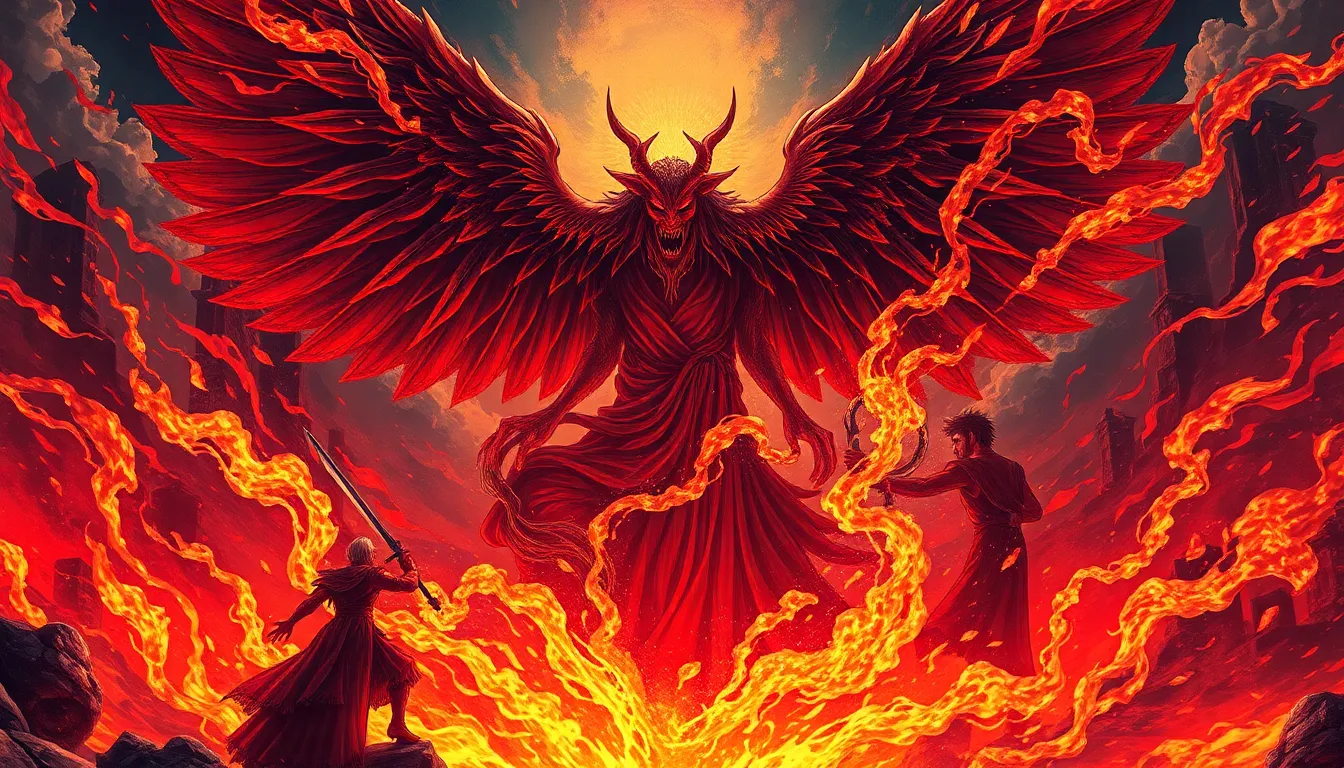
Divine Punishment 101: The Myths You Need to Know
Introduction to Divine Punishment
Divine punishment refers to the belief that a higher power inflicts suffering or calamity on individuals or groups as a form of retribution for wrongdoing. This concept plays a significant role in various cultures and religions, often serving as a moral compass that guides behavior and societal norms. The purpose of this article is to explore the myths surrounding divine punishment, its historical context, and its implications in contemporary society.
Historical Context of Divine Punishment
Throughout history, divine punishment has been a prevalent theme across numerous cultures. Ancient civilizations, such as the Egyptians and Mesopotamians, often believed that their deities actively intervened in human affairs, punishing those who defied them.
- Ancient beliefs: In these early societies, natural disasters, plagues, and other misfortunes were frequently interpreted as forms of divine retribution.
- Evolution through religions: As religions evolved, so did the understanding of divine punishment. In monotheistic faiths like Christianity, Islam, and Judaism, this concept was often tied to the notion of sin and moral accountability.
Common Myths Surrounding Divine Punishment
Despite its historical significance, several myths persist regarding divine punishment:
- Myth 1: Divine punishment is always immediate. Many believe that punishment follows wrongdoing swiftly, but often, consequences unfold over time.
- Myth 2: Only the wicked suffer divine punishment. This perspective overlooks the complexities of life, where suffering can affect the innocent and the good.
- Myth 3: Divine punishment is a reflection of personal sin. While some religious texts suggest this correlation, many philosophical viewpoints argue that suffering is not always linked to individual actions.
The Role of Suffering in Religious Narratives
Suffering is a recurring theme in many religious narratives, often interpreted in various ways:
- Christianity: Suffering is seen as a test of faith, with figures like Job exemplifying endurance amidst trials.
- Buddhism: Suffering is a fundamental aspect of existence, with the Four Noble Truths addressing its nature and path towards liberation.
- Islam: Suffering can be viewed as a trial from Allah, meant to purify believers and draw them closer to Him.
These interpretations often link suffering to divine punishment, reinforcing the idea that hardships may have a spiritual purpose.
Divine Punishment vs. Natural Consequences
It is essential to distinguish between divine intervention and natural consequences:
- Natural Law: Many events in life occur due to the laws of nature, independent of divine will.
- Case Studies: For example, natural disasters may be seen as divine punishment in some contexts, while scientifically, they can be explained through geological or meteorological principles.
Cultural Variations in the Concept of Divine Punishment
The perception of divine punishment varies significantly across cultures:
- Monotheistic Religions: In Judaism, Christianity, and Islam, divine punishment often relates to sin and moral failing.
- Polytheistic Religions: In religions like Hinduism, divine punishment can manifest through karma, where actions in this life affect future reincarnations.
Cultural values also significantly influence how divine punishment is perceived, shaping societal responses to suffering and justice.
The Psychological Impact of Believing in Divine Punishment
The belief in divine punishment can have profound psychological effects:
- Moral Behavior: Individuals who believe in divine punishment may adhere more strictly to moral guidelines, fearing repercussions for wrongdoing.
- Fear and Hope: The fear of punishment can lead to compliance, while hope for divine mercy can inspire good deeds.
Modern Interpretations and Misconceptions
In contemporary society, the view of divine punishment has evolved, often influenced by secularism:
- Secularism’s Impact: As societies become more secular, traditional beliefs in divine retribution may decline, leading to alternative explanations for suffering.
- Modern Misconceptions: Many people misunderstand divine punishment, viewing it as a literal and direct imposition of suffering rather than a complex interplay of moral and natural laws.
Case Studies: Historical Events and Divine Punishment
Examining historical events interpreted as divine punishment can reveal much about societal beliefs:
- The Plague of Justinian: This event was often viewed as divine punishment for the sins of humanity.
- Natural Disasters: Events like hurricanes and earthquakes are frequently attributed to divine wrath, reflecting cultural narratives around morality.
Public perception and media portrayal of these events can shape societal understanding of divine punishment, influencing how communities respond to crises.
Conclusion: Understanding and Debunking Myths
In conclusion, the myths surrounding divine punishment warrant critical examination. By understanding the historical context, cultural variations, and psychological impacts, individuals can develop a nuanced perspective on suffering and morality. It is essential to foster critical thinking about divine punishment in contemporary society, recognizing the complexity of human experience beyond simplistic notions of retribution.