The Elusive River of Elves: Myths from Northern Lore
Introduction to Northern Lore
Northern Europe, with its vast landscapes and rich cultural tapestry, is a region steeped in myth and legend. From the rugged fjords of Norway to the mystical woodlands of Scotland, these stories have been passed down through generations, shaping the identities of the peoples who inhabit this enchanting part of the world. The significance of myths and legends in Northern cultures cannot be overstated; they serve not only as entertainment but also as a means of understanding the natural world, human experience, and the divine.
The River of Elves: A Mythical Overview
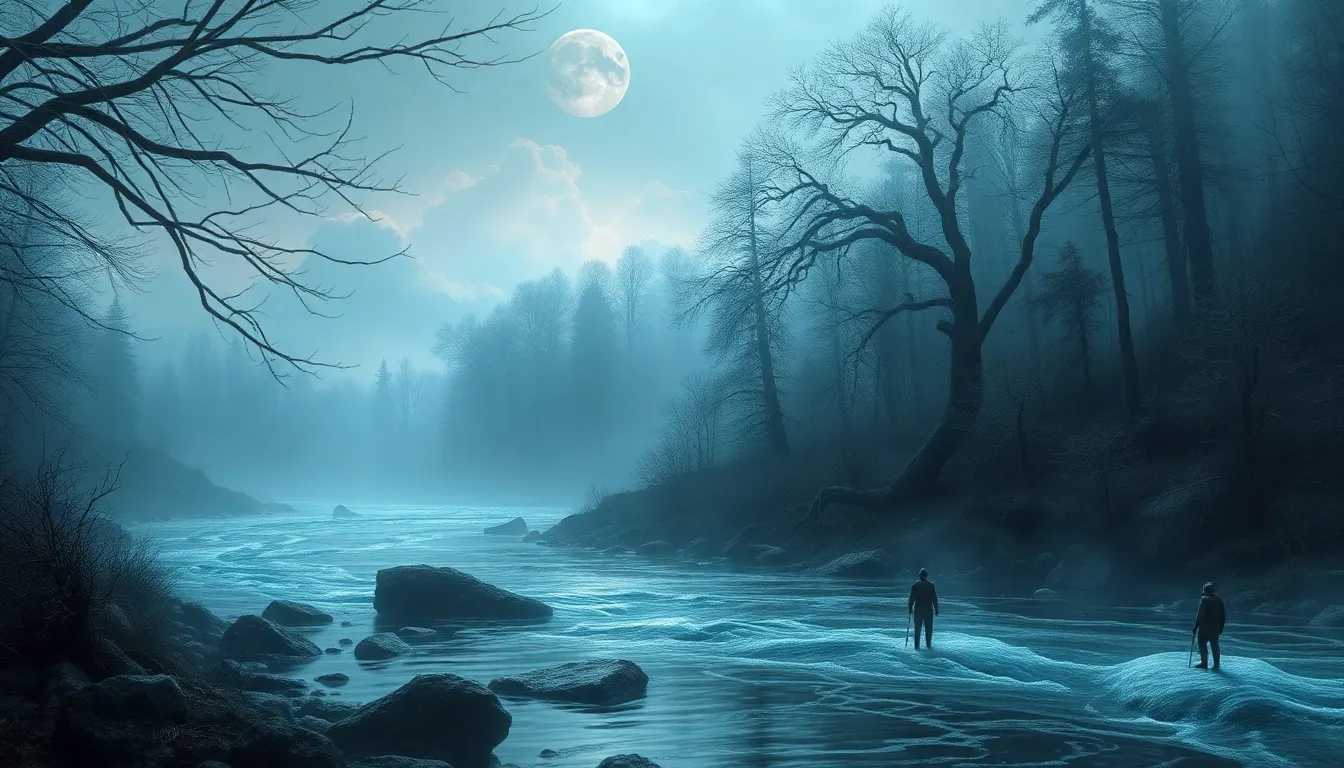
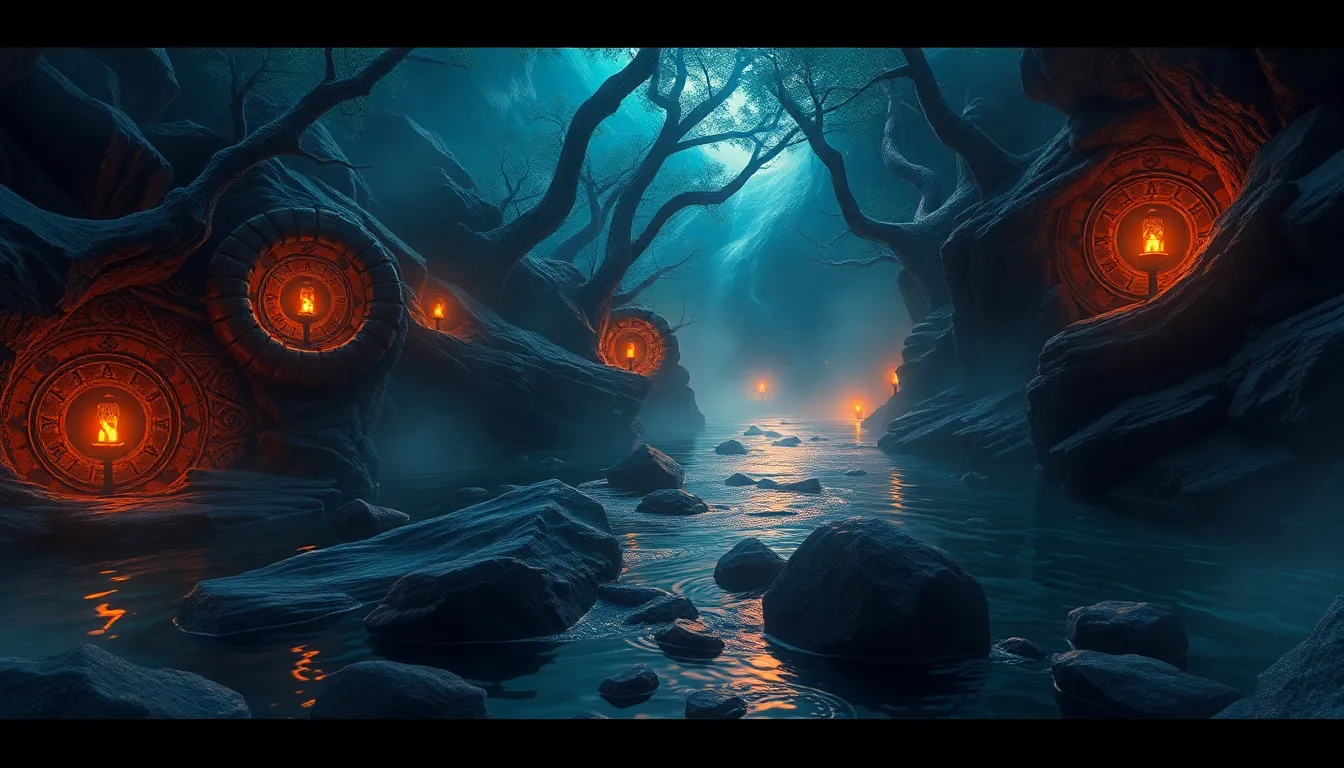
Central to many Northern myths is the elusive River of Elves, a mystical waterway said to be inhabited by ethereal beings. This river is not just a physical entity but a symbol of the connection between the human realm and the supernatural. In various Northern myths, the River of Elves is described as a shimmering stream, often flowing through enchanted forests or hidden valleys.
The origins of this myth can be traced back to ancient times, with variations appearing across different cultures. For instance:
- In Norse mythology, the river is sometimes associated with the realms of the gods and the afterlife.
- Celtic legends often depict it as a boundary between the human world and the realm of the fairies.
- In Finnish folklore, the river is a sacred waterway where the souls of the departed might linger.
Elves in Northern Mythology
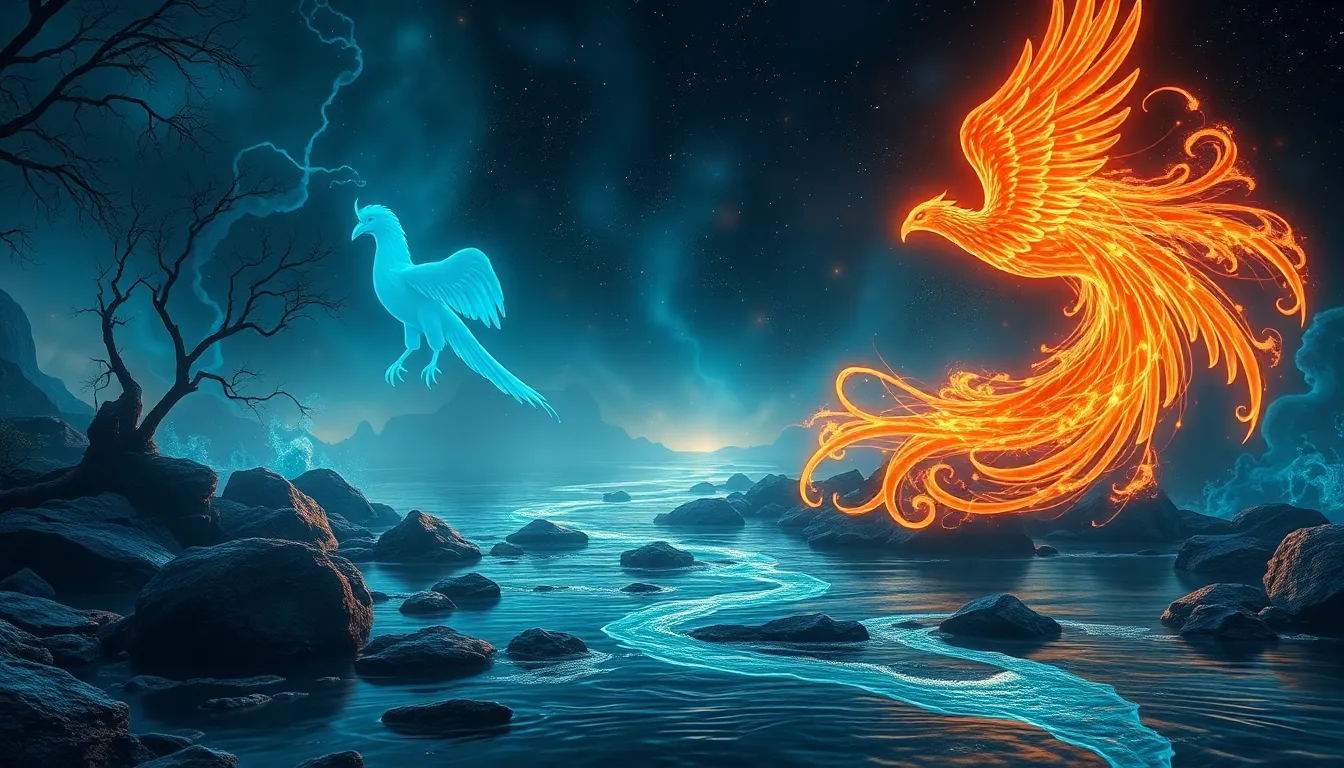
Elves are significant figures in both Norse and Celtic mythology, characterized by their connection to nature and the supernatural. In Norse lore, elves are often depicted as luminous beings associated with fertility and growth, sometimes regarded as guardians of the land. They inhabit the realm of Álfheimr, one of the nine worlds in Norse cosmology.
Celtic mythology presents elves, or fairies, in a somewhat different light. They are often seen as tricksters, capable of bestowing both blessings and curses upon humans. The portrayal of elves in Northern lore contrasts with other mythological creatures. For example:
- Unlike trolls, who are often depicted as brutish and malevolent, elves are generally seen as more benevolent, albeit mischievous.
- Fairies in Celtic tales often have a closer connection to the human world compared to the more distant and ethereal Norse elves.
Geographical Inspirations: Real Rivers and Their Legends
Many myths surrounding the River of Elves draw inspiration from real rivers in Northern Europe. Rivers such as the Thames in England, the Ganges in India, and the Elbe in Germany have been woven into the fabric of local legends.
These rivers are often characterized by:
- Stunning natural beauty, inspiring tales of wonder and magic.
- Historical significance, serving as vital resources for ancient civilizations.
- Unique ecosystems that contribute to the mystical aura surrounding them.
The connection between natural landscapes and mythical storytelling highlights how the environment shapes cultural narratives, leading to the creation of the River of Elves myth.
Cultural Significance of the River of Elves
The River of Elves is more than just a mythical waterway; it symbolizes nature, spirituality, and the supernatural. In many Northern cultures, rivers are seen as sacred spaces where the earthly and divine intersect. The river serves as:
- A source of inspiration for artists and storytellers.
- A site for rituals and offerings to honor the spirits of nature.
- A critical element of community identity, linking people to their heritage and folklore.
Tales of Encounters with Elves
Legends of humans encountering elves by the river abound, often filled with wonder and caution. These tales frequently include common themes, such as:
- Gifts: Many stories recount how humans received blessings or magical gifts from the elves, enhancing their lives.
- Curses: Conversely, encounters could lead to misfortune, especially if humans offended the elves.
- Protection: Some tales speak of elves guarding humans from harm, especially in times of peril.
These narratives reflect the dual nature of elves as both protectors and tricksters, embodying the complexities of human relationships with the supernatural.
The River of Elves in Modern Literature and Media
The myth of the River of Elves has found its way into contemporary literature and media, influencing various genres. Modern adaptations often highlight the enchanting aspects of the myth while reinterpreting it for new audiences. Notable examples include:
- Fantasy novels that draw on Northern mythology, such as those by authors like J.R.R. Tolkien.
- Films that depict elves and magical rivers as central elements of their storylines.
- Video games that incorporate the River of Elves into their worlds, allowing players to explore these mythical landscapes.
The Evolution of the Myth
As societies evolved, so did the perception of elves and their river. The advent of Christianity brought about significant changes, often leading to the demonization of pagan beliefs. Elves, once revered, became associated with witchcraft and evil in some contexts. However, the essence of the River of Elves myth endured, adapting to new cultural frameworks.
Modernization has also influenced these beliefs, leading to a revival of interest in folklore and a re-examination of traditional myths. This resurgence highlights a collective yearning to reconnect with nature and the magical elements of our past.
Preserving the Legacy of the River of Elves
Efforts to keep the myths alive are evident in various forms of storytelling, education, and cultural celebrations. Initiatives include:
- Storytelling festivals that celebrate Northern folklore and encourage community participation.
- Educational programs that teach the significance of these myths in understanding cultural heritage.
- Tourism that promotes visits to sites associated with the River of Elves and other mythical landscapes.
Conclusion: The Enduring Allure of Myth
The River of Elves remains a captivating element of Northern mythology, reflecting the deep-rooted connections between nature, spirituality, and cultural identity. In today’s world, where technology often overshadows the natural, these myths invite us to pause and reflect on the mysteries that surround us. As we explore these stories, we gain insights into our heritage and the timeless allure of the myths that continue to inspire and enchant us.