The Evolution of Enchanted Forest Myths Across Cultures
Introduction to Enchanted Forest Myths
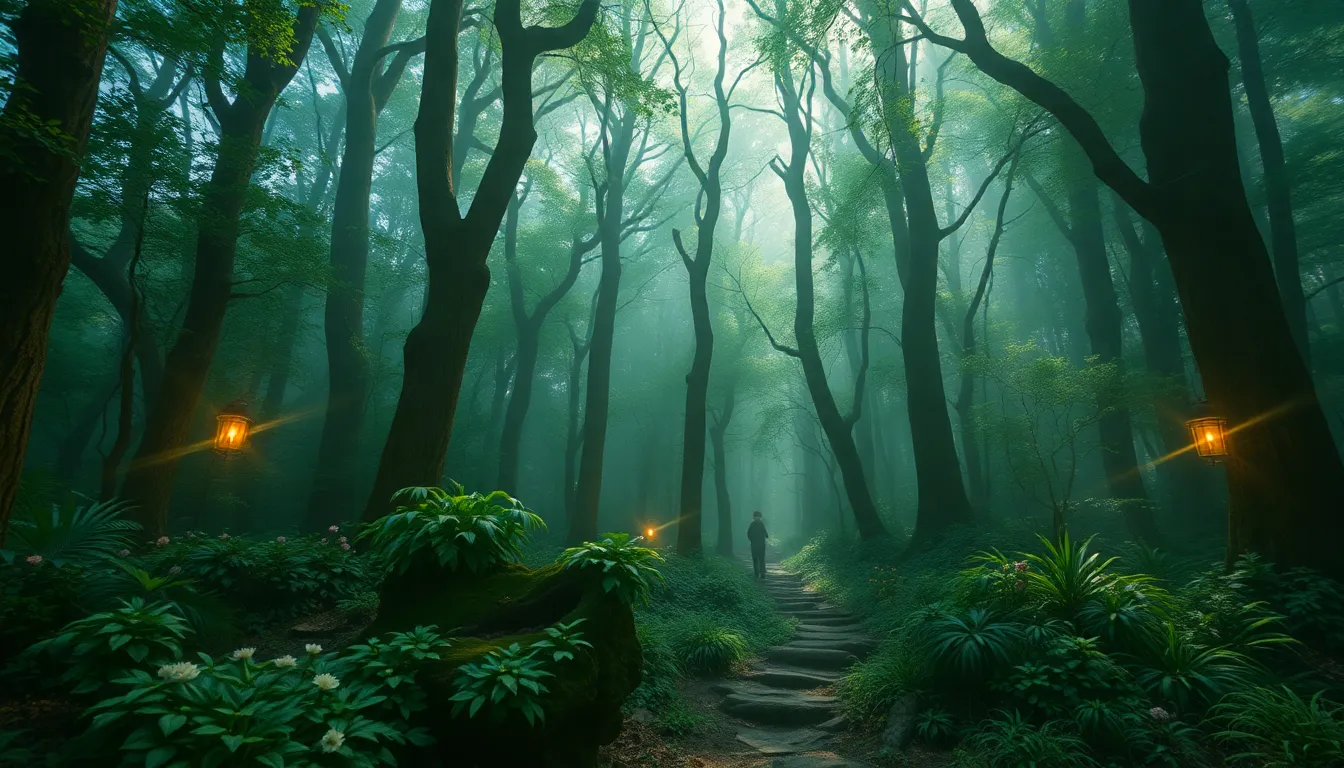
Enchanted forests, as depicted in folklore and mythology, are magical places where the normal rules of reality seem suspended. They are often filled with supernatural beings, hidden treasures, and transformative experiences. These myths embody the deep connection that various cultures have with nature, particularly forests, which are viewed as sacred spaces that harbor mystery and wisdom.
Across the globe, forests have been pivotal in shaping cultural narratives, symbolizing both the beauty of nature and the perils of the unknown. They serve as backdrops for tales of adventure, metamorphosis, and moral lessons, reflecting humanity’s enduring fascination with the natural world.
The Origins of Forest Myths: A Historical Perspective
From the dawn of civilization, forests have been revered by ancient societies. These early cultures viewed forests not only as resources but also as the dwellings of gods and spirits. For instance, in Mesopotamia, forests were often associated with deities of fertility and agriculture, symbolizing life and abundance.
In ancient Egypt, the sacred groves dedicated to gods like Osiris were believed to be portals to the divine. Such reverence highlights how forests served as sources of inspiration, sanctuary, and spiritual connection in the early civilizations.
Celtic and Norse Influences on Forest Myths
Celtic mythology is rich with tales of enchanted forests, such as Tir Na Nog, the land of eternal youth. These forests are often depicted as places where time stands still and where mortals encounter faeries and other mystical beings. The Celts believed that these enchanted woods were not just physical spaces but also metaphysical realms filled with transformative experiences.
Norse mythology also places significant emphasis on forests, particularly through the concept of Yggdrasil, the World Tree. This immense tree connects the nine realms and is a symbol of life, death, and rebirth. The roots of Yggdrasil reach deep into the earth, while its branches touch the heavens, embodying the interconnectedness of all life.
Enchanted Forests in Asian Mythology
In Asian folklore, enchanted forests often serve as settings for tales of love, transformation, and spiritual awakening. The Legend of the White Snake in Chinese mythology features a magical forest where a love story unfolds, revealing themes of devotion and sacrifice.
Similarly, in Japan, Shinto beliefs regard forests as sacred spaces inhabited by kami (spirits). These forests are often seen as places where the spiritual and natural worlds intersect, emphasizing harmony and respect for nature.
The Role of Enchanted Forests in Indigenous Cultures
For many Indigenous cultures, forests hold deep spiritual significance. In Native American myths, forests are often depicted as living entities with their own spirits. Stories frequently feature animals as messengers or guides, highlighting the interconnectedness of all beings.
In Australia, Aboriginal Dreamtime stories reveal the spiritual connection between the land, including forests, and the people. These narratives serve to educate future generations about the land’s significance, emphasizing respect and stewardship.
The Influence of Enchanted Forests on Literature and Art
Enchanted forests have made a lasting impact on literature and art. Shakespeare’s “A Midsummer Night’s Dream” is a quintessential example, where a magical forest serves as the setting for whimsical encounters and transformations. This play illustrates how enchanted forests can act as catalysts for change and self-discovery.
In modern fantasy literature, enchanted forests continue to inspire authors, with works like J.R.R. Tolkien’s The Lord of the Rings showcasing forests filled with danger and beauty. Similarly, visual artists have depicted enchanted forests, capturing their allure and mystery in various mediums.
The Symbolism of Enchanted Forests: Nature and the Supernatural
The dual nature of enchanted forests is a recurring theme across cultures. They are often portrayed as places of beauty and serenity, yet they can also evoke fear and danger. This duality symbolizes the complexities of nature and the unknown.
Common themes associated with enchanted forests include:
- Transformation: Characters often undergo significant changes within the forest.
- Magic: Enchantment and supernatural elements are frequently present.
- The Unknown: The forest represents the mysteries of life and the subconscious.
Modern Interpretations of Enchanted Forest Myths
In contemporary media, enchanted forests continue to be reinterpreted and adapted. Films like Disney’s “Into the Woods” and video games such as “The Legend of Zelda” series showcase the magical and perilous aspects of forests. These modern narratives often blend traditional mythological elements with new storytelling techniques.
Moreover, enchanted forests are increasingly used in environmental storytelling, emphasizing conservation and the importance of protecting natural spaces. The representation of forests in media can inspire audiences to appreciate and preserve these vital ecosystems.
Cultural Exchange and the Globalization of Forest Myths
The globalization of culture has led to the exchange and transformation of forest myths across different societies. Stories that originated in one culture can now be found in others, often with adaptations that reflect local beliefs and values.
Technology and social media play a significant role in this cultural exchange, allowing stories to spread quickly and inspire new interpretations. This interconnectedness enriches the tapestry of enchanted forest myths, creating a shared cultural heritage.
Conclusion: The Enduring Legacy of Enchanted Forest Myths
The allure of enchanted forests remains timeless, captivating the imagination across cultures and generations. These myths not only reflect humanity’s relationship with nature but also shape cultural identities and narratives in the modern world.
As we continue to explore enchanted forests in literature, art, and media, they serve as reminders of the beauty, mystery, and magic inherent in the natural world, urging us to protect and cherish these vital ecosystems.