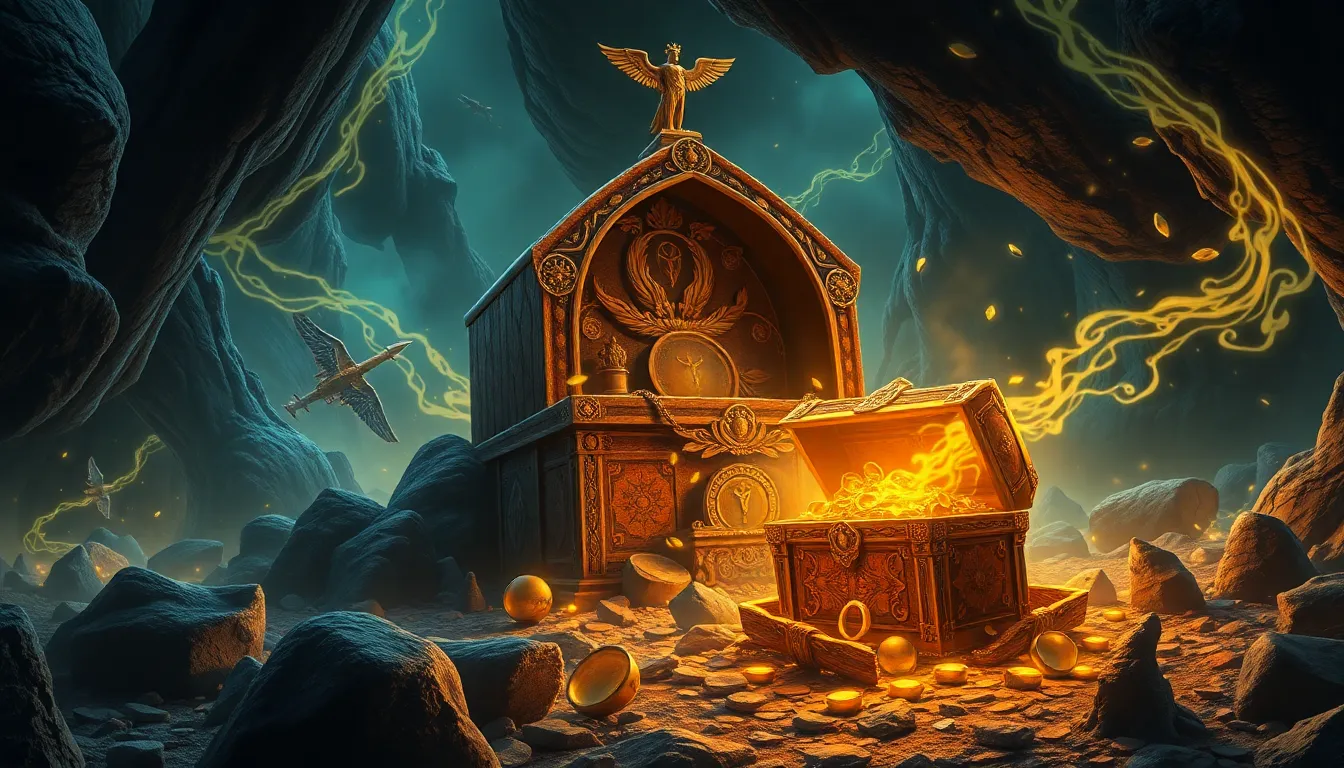
The Quest for the Hidden Treasure: Myths of Wealth
Introduction to the Allure of Hidden Treasures
Throughout history, the allure of hidden treasures has captivated the imagination of countless individuals. From ancient civilizations to modern-day adventurers, the quest for wealth buried beneath the earth or hidden in remote locations has sparked stories, legends, and a relentless pursuit of fortune.
The psychological and cultural significance of treasure myths cannot be overstated. They represent not only the desire for material wealth but also the hope for adventure, discovery, and the unknown. These tales often encapsulate the human spirit’s yearning for something greater than everyday life.
Historical Context of Treasure Myths
Many ancient civilizations have left us with legends of immense wealth, such as the fabled El Dorado, which was said to be a city of gold hidden in the South American jungle. Another notable myth is that of King Solomon’s Mines, a tale that speaks of untold riches waiting to be discovered in the heart of Africa.
These treasure myths played a crucial role in shaping cultures and societies. They inspired explorers, fueled colonial ambitions, and became part of the national identity for many countries. The search for these treasures often led to significant historical events, including expeditions that changed the course of history.
Famous Treasure Hunts: Fact or Fiction?
Some treasure hunts have become legendary, blurring the lines between fact and fiction. Notable examples include:
- Oak Island: Located in Nova Scotia, Canada, this site has been the focus of treasure hunters for over 200 years, with tales of pirate loot and historical artifacts.
- The Lost Dutchman Mine: A purported gold mine in the Superstition Mountains of Arizona, shrouded in mystery and intrigue.
While some treasure seekers have claimed success, most have met with disappointment, leading to an ongoing debate about the balance between myth and reality in these pursuits.
Cultural Variations in Treasure Legends
Treasure legends vary significantly across cultures, each interpreting the concept of hidden wealth in unique ways. In Western cultures, stories often involve pirates, lost cities, and buried gold. In contrast, Eastern cultures may focus on spiritual wealth or the treasures of wisdom and enlightenment.
Indigenous cultures often interpret treasure in ways that reflect their values and beliefs, viewing the land itself as a source of wealth rather than merely material possessions. This diversity highlights how treasure myths can serve different purposes and convey varying messages across cultural contexts.
The Treasure Map: Symbolism and Interpretation
Treasure maps are iconic symbols in folklore, often depicted as yellowed parchment with cryptic markings leading to the coveted ‘X marks the spot.’ These maps represent the journey and the promise of discovery, embodying the adventure that treasure hunting entails.
In modern interpretations, treasure maps have evolved, sometimes serving as metaphors for personal quests or the pursuit of dreams. They remind us that the journey itself can be as rewarding as the treasure sought.
Psychological Factors Behind the Quest for Wealth
The quest for wealth is deeply rooted in human psychology. The allure of treasure taps into fundamental desires for security, power, and status. Additionally, the adventure associated with treasure hunting can provide an escape from the mundane aspects of daily life.
Engaging in treasure hunts can have a positive impact on mental health, fostering a sense of purpose and community among seekers. However, the obsession with wealth can also lead to detrimental effects, such as unrealistic expectations and disappointment.
Modern-Day Treasure Hunters: Tools and Techniques
Today’s treasure hunters employ various tools and techniques to aid their quests. These include:
- Metal detectors for locating buried artifacts.
- Ground-penetrating radar for detecting hidden objects underground.
- Geographical information systems (GIS) to analyze and map potential treasure sites.
However, ethical considerations must also be taken into account. Treasure hunting can impact archaeological sites, and responsible practices are essential to preserve historical integrity.
The Impact of Treasure Myths on Popular Culture
Treasure myths have had a profound influence on popular culture, inspiring countless works of literature, film, and video games. Iconic characters, such as Indiana Jones and treasure hunters from various narratives, reflect our fascination with adventure and wealth.
These stories often highlight themes of greed, bravery, and moral choices, resonating with audiences and reinforcing the timeless allure of the treasure hunt.
Skepticism and the Reality of Treasure Hunting
Despite the romanticized notion of treasure hunting, skepticism prevails in many circles. Numerous treasure seekers have embarked on quests only to find nothing but disappointment. Some notable case studies include:
- Treasure hunters on Oak Island, who have spent millions with little to show for their efforts.
- The countless individuals who have searched for the Lost Dutchman Mine without success.
These stories serve as cautionary tales, reminding us of the fine line between hope and delusion in the search for hidden wealth.
Conclusion: The Enduring Legacy of Treasure Myths
Treasure myths continue to hold a significant place in contemporary society, reflecting our ongoing desire for adventure and the allure of wealth. They remind us that the quest for treasure is as much about the journey and the stories we create along the way as it is about the material rewards we seek.
Ultimately, the enduring legacy of treasure myths lies in their ability to inspire, entertain, and connect us to the timeless human experience of aspiration and discovery.