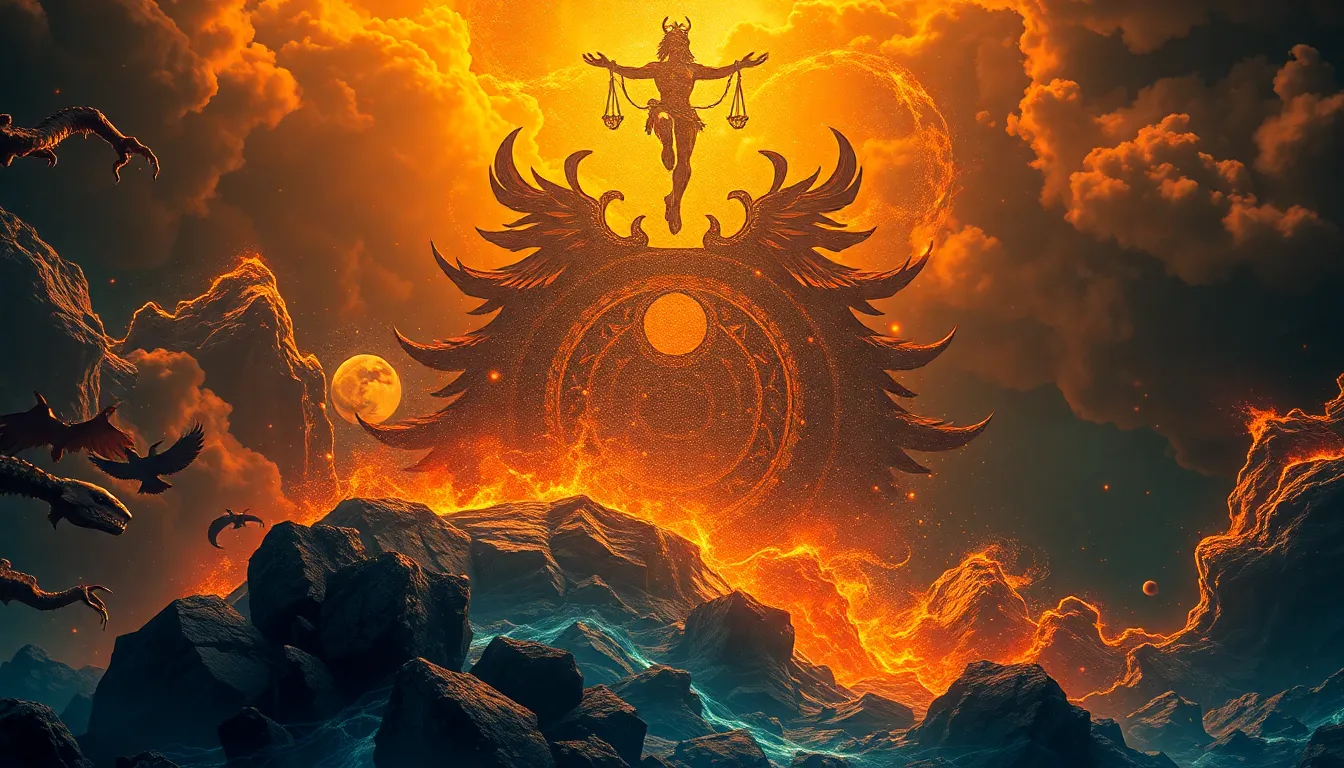
The Quest for the Eternal Flame: Myths of Passion
Introduction to the Concept of the Eternal Flame
The concept of the eternal flame has captivated human imagination across various cultures throughout history. An eternal flame symbolizes a perpetual source of light and warmth, often representing enduring love, passion, and commitment. This powerful imagery underscores the significance of passion in human relationships, serving as a reminder of the deep emotional connections that fuel our existence.
Historical Perspectives on Eternal Flames
Ancient civilizations held unique interpretations of eternal flames, often linking them to their deities and spiritual beliefs. For instance, in Ancient Greece, the flame was closely associated with the goddess Hestia, representing the hearth and home. Similarly, the Romans revered the eternal flame as a symbol of their commitment to the gods, maintaining sacred fires in temples to honor their deities.
Mythologies across cultures illustrate the importance of eternal flames:
- Greek Mythology: The myth of Prometheus, who stole fire from the gods to give it to humanity, emphasizes the dual nature of fire as both a gift and a source of suffering.
- Roman Traditions: The Vestal Virgins tended the sacred flame of Vesta, ensuring that it never extinguished, symbolizing the continuity of the Roman state.
- Eastern Traditions: In Hinduism, the sacred fire of Agni represents purification and is central to many rituals, embodying the eternal connection between the human and divine.
The Symbolism of Fire in Passionate Myths
Fire has long been a potent symbol of desire and love, often depicted in literature and art as an intense, transformative force. The passionate flame signifies both the beauty and danger of love, illustrating the fine line between ecstasy and heartbreak.
In literature, fire-related symbols often reflect the characters’ emotional states:
- Romantic Poetry: Poets frequently use fire imagery to convey the intensity of love, such as in the works of John Keats and William Blake.
- Visual Arts: Artists like Gustav Klimt illustrate passion through fiery colors and dynamic compositions that evoke the consuming nature of love.
Cultural Variations of the Eternal Flame Myth
The narrative of eternal love and passion varies significantly across cultures. While many traditions celebrate the idea of love that transcends time and space, the interpretations and expressions differ.
When comparing Eastern and Western mythologies, several key differences emerge:
- Eastern Mythologies: Often portray love as a spiritual journey, emphasizing unity with the cosmos and the eternal soul.
- Western Mythologies: Tend to focus on the individual experience of love, highlighting personal sacrifice and the trials of romantic relationships.
The Psychological Aspect of the Eternal Flame
Psychologically, passion plays a crucial role in our emotional well-being. The metaphor of the ‘flame’ represents emotional intensity, highlighting the profound impact that passionate relationships have on our mental health.
Studies suggest that maintaining passion can enhance overall life satisfaction, leading to:
- Increased happiness and fulfillment.
- Stronger emotional resilience during challenging times.
- A more robust sense of identity and purpose.
Modern Interpretations of Eternal Flames
In contemporary literature and media, the theme of eternal passion is prevalent, often explored through various narratives that resonate with modern audiences. Films and novels frequently depict the quest for lasting love, illustrating the complexities of maintaining passion in a fast-paced world.
Some notable case studies include:
- The Notebook by Nicholas Sparks: A romantic tale that emphasizes enduring love despite life’s hardships.
- Eternal Sunshine of the Spotless Mind: A film exploring the intricacies of memory and love, demonstrating how passion can be both beautiful and painful.
The Science of Passion: Can It Be Sustained?
Research into the psychology of love and passion reveals fascinating insights into how emotional connections evolve over time. Scientific studies indicate that while the initial passion often fades, it can transform into a deeper, more stable form of love.
The role of chemistry and biology is significant in sustaining passion:
- Oxytocin and dopamine play crucial roles in bonding and emotional attachment.
- Understanding the dynamics of attraction can help couples navigate their relationships effectively.
Rituals and Practices to Ignite the Eternal Flame
Throughout history, rituals have been integral in cultivating and maintaining passion in relationships. These practices, whether traditional or modern, serve to reinforce emotional bonds and celebrate love.
Some effective rituals include:
- Regular date nights to reconnect and revitalize the relationship.
- Sharing personal goals and dreams to foster intimacy.
- Celebrating anniversaries and special moments to honor the journey together.
Challenges to Sustaining the Eternal Flame
Despite the desire to maintain passion, couples often face challenges that threaten to extinguish the eternal flame. Common obstacles include:
- Life stressors such as work and family obligations.
- Communication breakdowns and misunderstandings.
- The natural ebb and flow of emotional intensity over time.
Strategies for overcoming these challenges include:
- Open and honest communication to express needs and feelings.
- Seeking couples therapy or counseling when needed.
- Engaging in shared activities that reignite excitement and passion.
Conclusion: The Endless Pursuit of Passion
The quest for passion is a fundamental aspect of the human experience, enriching our lives and shaping our relationships. Embracing the journey toward finding and sustaining the eternal flame is essential for personal fulfillment and emotional well-being. As we navigate the complexities of love, let us remember that the pursuit of passion is not merely a destination but a continuous journey, full of discovery and growth.