Animals as Symbols: What Creatures Represent in Myths
Introduction to Animal Symbolism in Mythology
Animal symbolism in mythology refers to the use of animals to convey deeper meanings, lessons, and cultural beliefs. Throughout history, animals have played a significant role in various myths, serving as symbols of virtues, vices, or natural forces. The importance of animals in different cultures is profound, as they often represent the traits that communities value or fear, embodying ideas about strength, wisdom, transformation, and the divine.
This article aims to explore the multifaceted roles animals play in myths across diverse cultures, examining specific creatures and their symbolic meanings. By understanding these representations, we can gain insights into the values and beliefs of ancient civilizations and their lasting impact on our modern world.
The Role of Animals in Ancient Mythologies
In many ancient cultures, animals were revered and attributed with divine characteristics. From the majestic lion of Egypt to the cunning fox in Indigenous American folklore, animals were woven into the fabric of creation myths and stories passed down through generations. Here are some notable examples:
- Egyptian Mythology: Animals like cats, crocodiles, and falcons were associated with gods and goddesses, symbolizing protection, fertility, and power.
- Greek Mythology: The eagle represented Zeus, while the serpent was a symbol of healing and knowledge, prominently featured in the story of Asclepius.
- Norse Mythology: Wolves, ravens, and serpents were significant, often embodying themes of war, death, and wisdom.
- Indigenous Mythologies: Many Indigenous cultures view animals as spiritual guides or totems, embodying the traits of the animals that resonate with their people.
These representations illustrate how animals were not merely subjects of stories; they played an integral role in humanity’s understanding of the world and its mysteries.
Common Animals in Myths and Their Symbolic Meanings
Several animals recur in myths worldwide, each carrying shared symbolic meanings across different cultures. Here are some commonly depicted animals and their interpretations:
- Lions: Symbolizing power, courage, and royalty.
- Eagles: Representing freedom, vision, and the connection to the divine.
- Snakes: Embodying duality, representing both danger and healing.
- Bears: Symbolizing strength, bravery, and introspection.
These symbols often reflect universal themes such as strength, wisdom, and transformation, demonstrating the shared human experience across different cultures.
The Lion: Symbol of Power and Royalty
The lion has held a prominent place in various mythologies, often representing power and nobility. In Egyptian mythology, the lioness goddess Sekhmet embodied war and healing, while in Indian culture, the lion is associated with the goddess Durga, symbolizing protection and strength. In Western traditions, lions are frequently depicted as symbols of kingship and valor, as seen in heraldry and literature.
The lion’s association with deities and kingship cements its status as a universal symbol of authority and leadership. This majestic creature exemplifies the qualities that societies aspire to, making it a powerful emblem throughout history.
The Eagle: Messenger of the Gods
The eagle is often viewed as a messenger of the gods, soaring high above the earth and symbolizing freedom and spiritual connection. In Greek mythology, the eagle serves as the emblem of Zeus, representing divine power and authority. Native American cultures also revere the eagle as a sacred creature that embodies courage, vision, and spiritual insight.
Its ability to fly at great heights has led to its association with perspective and enlightenment, making the eagle a potent symbol of freedom and the quest for higher understanding.
The Snake: Transformation and Duality
Snakes possess a dual symbolism that reflects both danger and healing. In the Bible, the serpent in the Garden of Eden represents temptation and the fall of man, while in Hindu mythology, the Naga symbolizes fertility and protection. This duality highlights the complexity of the snake’s representation in various myths, embodying the themes of transformation and the balance between good and evil.
The snake’s ability to shed its skin is often interpreted as a metaphor for renewal and transformation, reinforcing its significance in spiritual and healing practices across cultures.
Creatures of the Water: Fish, Dolphins, and Mermaids
Aquatic animals hold rich symbolic meanings in mythology, often representing fertility, intuition, and the mysteries of the unknown. Fish, for instance, are frequently associated with abundance and prosperity. Dolphins, revered for their intelligence and playfulness, symbolize harmony and protection.
Mermaids and water spirits appear in numerous folklore traditions, often embodying the allure and danger of the sea. They symbolize the intersection of human desires and the vast, unpredictable nature of the ocean, reflecting themes of love, loss, and transformation.
Birds in Mythology: Omens and Messages
Birds often serve as harbingers of change or messengers from the divine in various mythologies. Owls, for example, are associated with wisdom and knowledge, while crows are seen as omens of death or transformation. Doves symbolize peace and hope, frequently appearing in stories of reconciliation and new beginnings.
The diverse representations of birds highlight their significance in conveying messages about the human experience, reflecting our connection to the spiritual realm and the natural world.
Mythical Creatures and Their Symbolic Representations
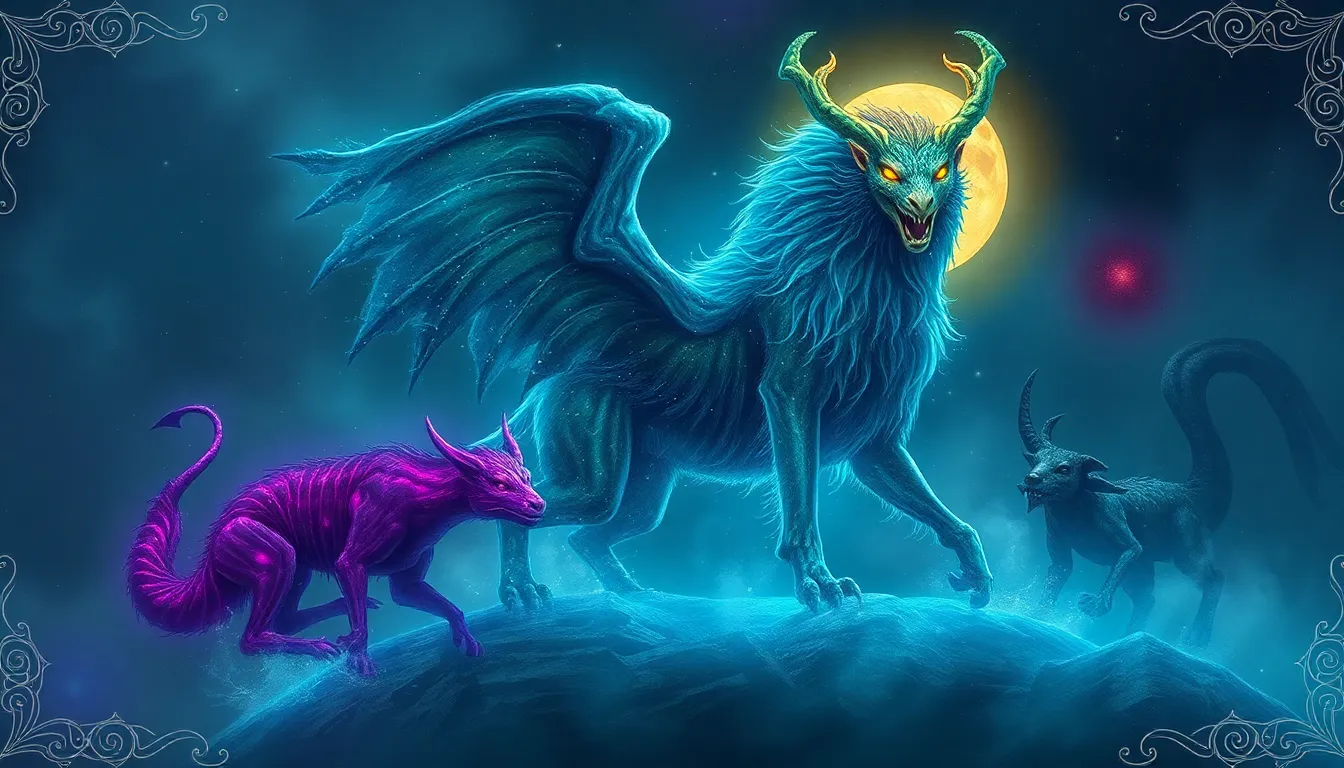
Mythical creatures such as griffins, unicorns, and dragons play crucial roles in conveying complex themes and morals in myths. Griffins, with their combination of lion and eagle traits, symbolize strength and protection. Unicorns represent purity and grace, often associated with the feminine divine. Dragons, powerful and fearsome, embody chaos, wisdom, and the struggle between good and evil.
These hybrid creatures serve as metaphors for the complexities of existence, illustrating the interplay between various forces within the universe.
Conclusion: The Enduring Legacy of Animal Symbols in Modern Culture
The symbolic representations of animals in mythology continue to influence contemporary storytelling, art, and cultural narratives. From literature to film, the archetypes of strength, wisdom, and transformation persist in modern narratives, highlighting the relevance of ancient symbols in today’s society.
Understanding these animal symbols enhances our appreciation for the depth of human experience and the shared values that connect us across time and space. They remind us of our cultural heritage and the lessons that can still be drawn from the creatures that have long inspired our imaginations.