Divine Trials: The Ultimate Test of Character in Mythology
I. Introduction
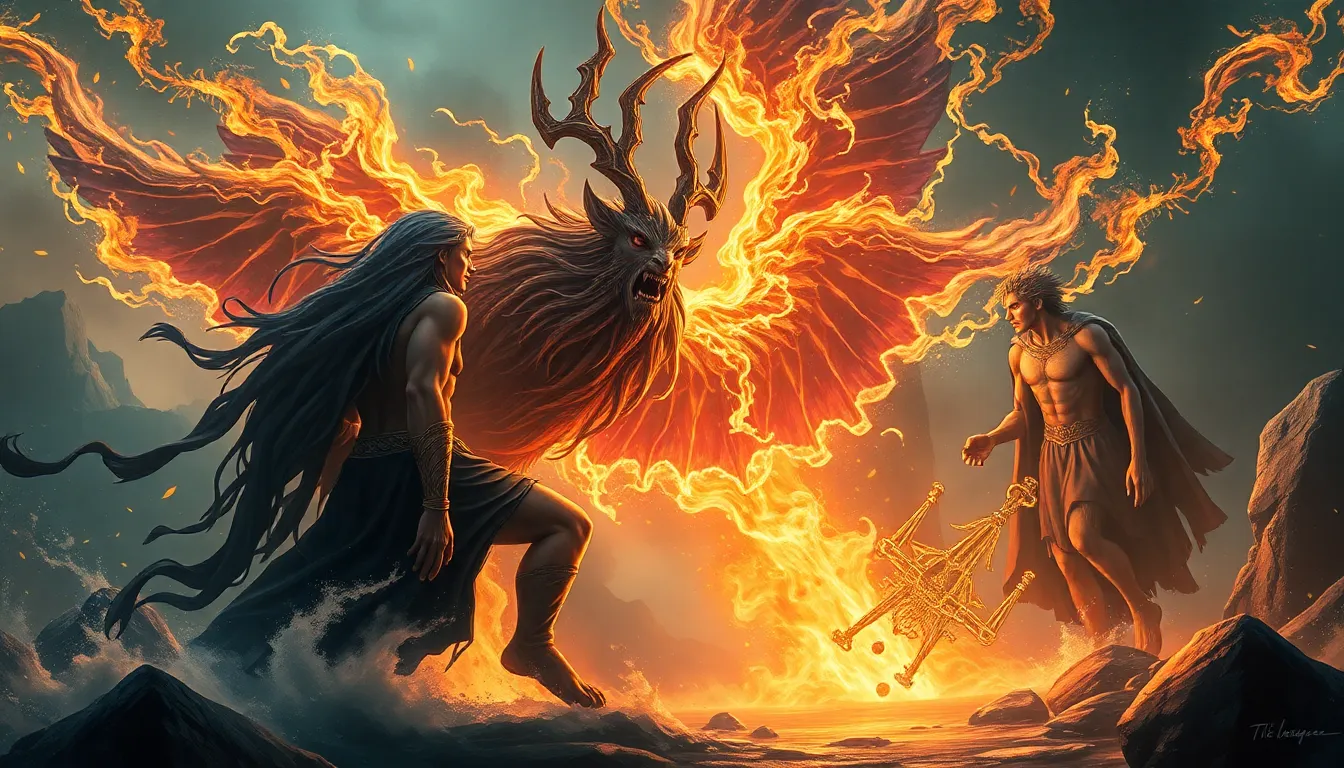
Divine trials, as depicted in various mythological narratives, are significant tests that characters undergo, often imposed by deities or higher powers. These trials serve as pivotal moments that reveal inner strengths, weaknesses, and moral fiber. They are not merely obstacles but essential mechanisms for character development, highlighting the intricate relationship between human agency and divine intervention.
The importance of character testing in myths cannot be overstated; it serves as a mirror reflecting the values, beliefs, and struggles of the cultures from which these stories emerge. In this article, we will explore the concept of divine trials across different cultures, the purpose behind them, their key characteristics, notable case studies, and their relevance in contemporary literature and media.
II. The Concept of Divine Trials Across Cultures
Throughout history, divine trials have manifested in numerous forms across various cultures, each illustrating different aspects of human experience and challenge.
A. Greek Mythology: The Twelve Labors of Heracles
In Greek mythology, the Twelve Labors of Heracles stand as a quintessential example of divine trials. Tasked by King Eurystheus and driven by the whims of the goddess Hera, Heracles faces a series of formidable challenges, including:
- Slaying the Nemean Lion
- Capturing the Golden Hind of Artemis
- Cleaning the Augean Stables
Each labor tests Heracles’ strength, ingenuity, and perseverance, ultimately leading to his redemption and elevation to divine status.
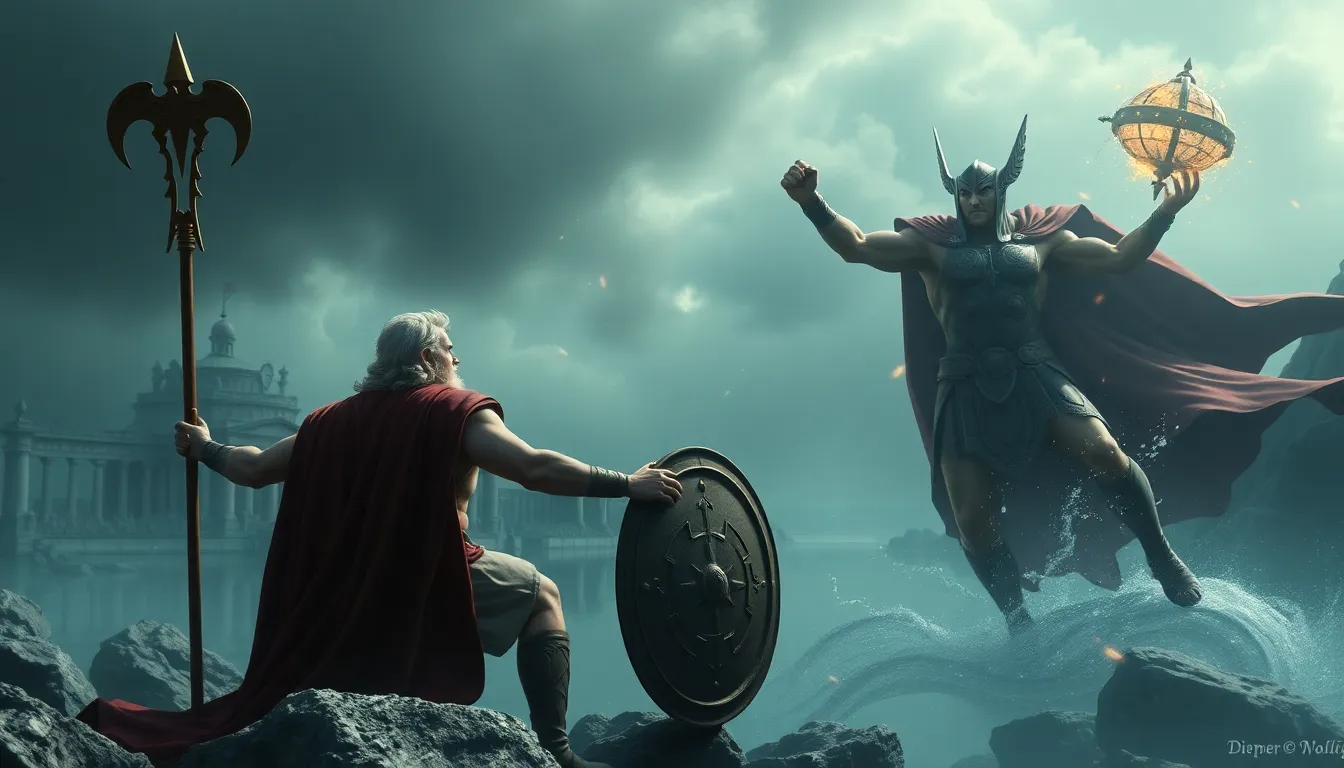
B. Norse Mythology: The Trials of Odin and Thor
Norse mythology also features divine trials, particularly through the journeys of gods like Odin and Thor. Odin’s quest for knowledge often involves trials that test his wisdom and sacrifice, such as:
- Hanging from Yggdrasil for nine days to gain wisdom
- Seeking out the prophecy of Ragnarok
Thor, on the other hand, faces trials that challenge his strength and bravery, including battles with giants and the famous contest of strength against the Midgard Serpent.
C. Hindu Mythology: The Trials of Rama in the Ramayana
In Hindu mythology, the epic Ramayana narrates the trials faced by Lord Rama. His journey to rescue Sita from Ravana involves numerous trials that test his commitment to dharma (righteousness). Key moments include:
- Crossing the ocean to Lanka
- Defeating formidable enemies with divine assistance
Rama’s trials not only signify personal growth but also embody the essence of duty and sacrifice.
III. The Purpose of Divine Trials
Divine trials serve multiple purposes that extend beyond mere entertainment, offering deep moral and philosophical lessons.
A. Character Development and Moral Lessons
These challenges often force characters to confront their flaws, grow, and emerge transformed. The moral lessons imparted through these trials emphasize virtues such as courage, resilience, and integrity.
B. The Role of Fate and Destiny
Divine trials frequently intertwine with themes of fate and destiny, showcasing how characters navigate their paths while grappling with the forces of the universe.
C. Divine Favor and Human Agency
These narratives illustrate the balance between divine favor and human agency, suggesting that while the gods may set the trials, individuals have the power to choose their responses.
IV. Key Characteristics of Divine Trials
Divine trials exhibit several key characteristics that define their structure and impact on characters.
A. The Hero’s Journey Framework
Many divine trials align with the hero’s journey framework, where characters embark on an adventure, face challenges, and return transformed. This structure emphasizes growth through adversity.
B. Types of Trials: Physical, Mental, and Moral
Trials can be categorized into three main types:
- Physical Trials: Challenges that test strength and endurance.
- Mental Trials: Tests of intelligence, wisdom, and problem-solving.
- Moral Trials: Challenges that confront ethical dilemmas and personal values.
C. The Role of Helpers and Mentors
Divine trials often feature mentors and helpers who guide the protagonist, offering wisdom and support, reinforcing the idea that growth is a communal process.
V. Case Study: The Trials of Odysseus
One of the most renowned examples of divine trials is the journey of Odysseus in Homer’s “The Odyssey.” His trials illustrate the complexities of human experience and the essence of perseverance.
A. Overview of Odysseus’ Journey
Odysseus faces numerous challenges on his ten-year journey home from the Trojan War, including encounters with:
- The Cyclops Polyphemus
- The Sirens
- Scylla and Charybdis
B. Analysis of Key Trials and Their Significance
Each trial serves a dual purpose: to test Odysseus’ heroism and to impart lessons about humility, cunning, and the importance of home.
C. Lessons Learned and Character Growth
Odysseus evolves from a proud warrior to a wise leader, highlighting the transformative power of trials in shaping character.
VI. Female Protagonists and Divine Trials
Women in mythology also face divine trials, showcasing their strength and resilience.
A. The Trials of Inanna and Ishtar
Inanna and Ishtar, powerful goddesses from Sumerian mythology, undergo trials that test their resolve and authority. Inanna’s descent into the underworld is particularly noteworthy as it challenges her identity and power.
B. The Role of Women in Mythological Trials
Women often play crucial roles in trials, whether as heroines facing their own challenges or as figures who guide male heroes. Their stories reflect the complexities of gender and power dynamics.
C. Feminist Interpretations of Divine Testing
Feminist interpretations of these trials reveal deeper insights into the societal norms and expectations of women in various cultures, highlighting their agency and resistance.
VII. The Psychological Perspective on Divine Trials
From a psychological standpoint, divine trials can be analyzed through the lens of archetypes and their influence on character development.
A. Archetypes and Their Influence on Character
Archetypal figures, such as the Hero, Mentor, and Shadow, play significant roles in the narratives of divine trials, shaping characters’ journeys and experiences.
B. The Role of Archetypal Psychology in Understanding Trials
Jungian psychology emphasizes the importance of these archetypes in understanding the human psyche, suggesting that trials reflect internal conflicts and growth.
C. Modern Psychological Interpretations of Mythological Trials
Modern psychologists often draw parallels between mythological trials and personal challenges, using these narratives as tools for understanding human behavior and resilience.
VIII. Divine Trials in Contemporary Literature and Media
The influence of divine trials resonates in contemporary literature and media, shaping narratives across genres.
A. Influence on Modern Fantasy and Science Fiction
Many modern fantasy and science fiction stories draw from the archetypes and themes of divine trials, incorporating them into their plots.
B. Examples of Divine Trials in Popular Culture
Examples include:
- Harry Potter’s trials against Voldemort
- The quests faced by characters in “The Lord of the Rings”
- Superheroes confronting moral dilemmas in comic books
C. The Enduring Relevance of Mythological Themes
The themes of divine trials remain relevant, reflecting timeless struggles and aspirations that resonate with audiences today.
IX. Critiques and Alternative Interpretations
While divine trials offer rich narratives, they are not without critiques and alternative interpretations.
A. Ethical Implications of Divine Testing
The ethical implications of trials raise questions about the morality of divine intervention and the consequences for humanity.