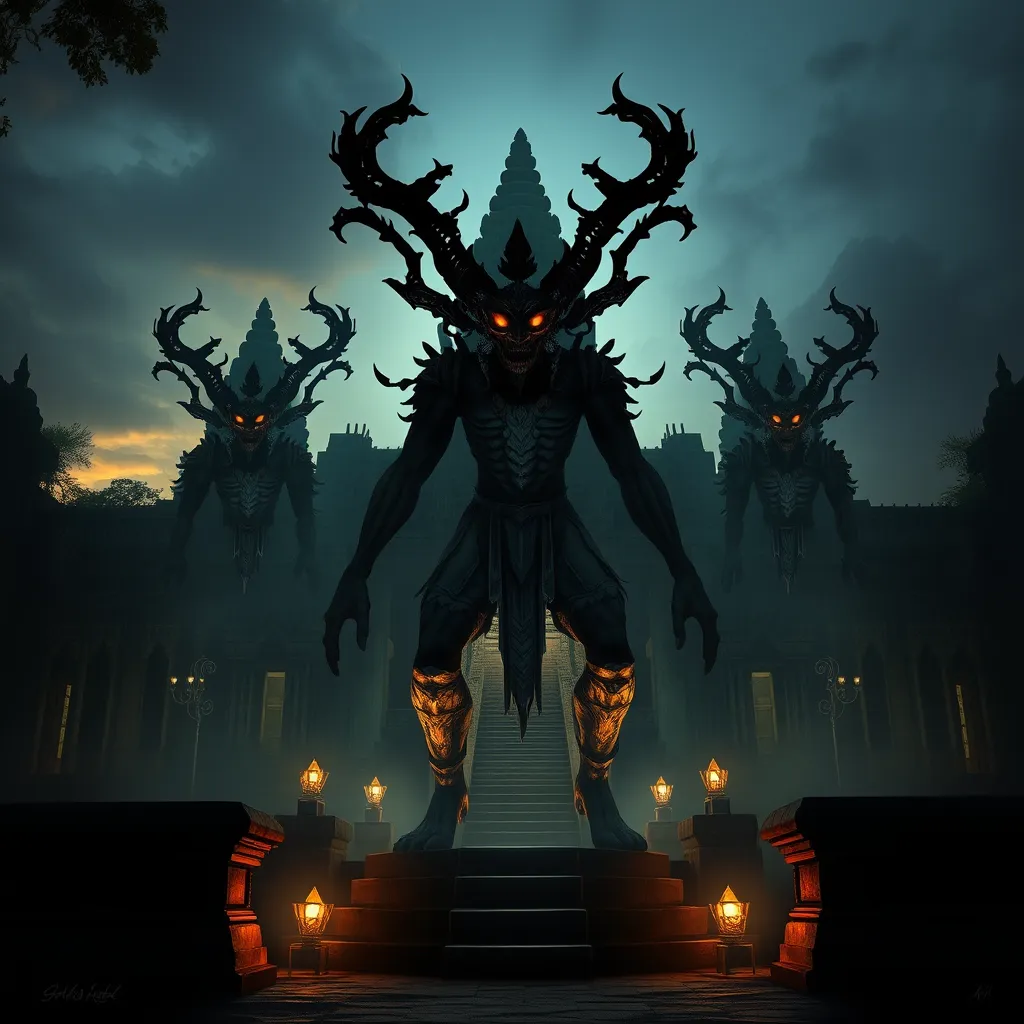
Hel: The Norse Goddess of the Underworld – A Look at Her Reign over the Dead
I. Introduction
Norse mythology is a rich tapestry of gods, goddesses, and mythical creatures, each playing a significant role in the intricate understanding of life, death, and the afterlife. At the heart of this narrative lies the underworld, a realm that holds profound significance in the Norse cosmology. Among the various figures associated with the afterlife, Hel stands out as a central character, presiding over the realm of the dead.
This article aims to explore the origins, significance, and legacy of Hel, the Norse goddess who governs the underworld. Through examining her lineage, the realm she oversees, her responsibilities, and her representation in mythology and modern culture, we seek to gain a deeper understanding of her vital role in Norse beliefs about life after death.
II. Origins and Parentage of Hel
Hel’s origins can be traced back to her unique lineage. She is the daughter of the trickster god Loki and the giantess Angerboda. This parentage is significant as it places her at the intersection of chaos and creation, embodying the complexities of existence in Norse mythology.
Her siblings, Fenrir, the monstrous wolf, and Jörmungandr, the Midgard Serpent, further connect Hel to some of the most powerful and feared entities in Norse lore. This familial connection not only highlights the importance of her character but also underscores the dualities present in Norse mythology—life and death, order and chaos.
III. The Realm of Hel: Description and Significance
Helheim, the realm over which Hel reigns, is often depicted as a cold and desolate place, reflecting the nature of its inhabitants. Unlike Valhalla, the majestic hall of warriors who died in battle, Helheim is reserved for those who died of sickness or old age, emphasizing a different aspect of death in the Norse narrative.
- Geography of Helheim: Helheim is described as a dark, misty realm with a river called Gjöll that separates the living from the dead. The entrance is guarded by a dog named Garmr, ensuring that only the souls destined for Hel may enter.
- Structure: Inside Helheim, the souls reside in different halls, with Hel’s own hall, Éljúðnir, serving as the central abode.
The significance of Helheim extends beyond mere geography; it reflects the Norse understanding of life after death and the belief that all souls have a place in the cosmos, depending on how they lived their lives.
IV. Hel’s Role and Responsibilities
As the ruler of the dead, Hel’s primary role is to guide souls to their final resting place. She is often depicted as a stern but fair figure, embodying the inevitability of death and the natural order of the universe.
- Guidance of Souls: Hel is responsible for welcoming the deceased into her realm, ensuring that they find their place according to their life choices.
- Judgments and Treatment: Unlike other figures in mythology who may punish or reward the dead, Hel’s judgments are based on a sense of balance and fairness. She treats the souls with respect, offering them a chance to find peace.
V. Hel’s Appearance and Symbolism
Hel’s physical form is one of the most distinctive aspects of her character. She is often depicted as having a dual appearance—one half of her body is beautiful and vibrant, while the other half is decayed and ghastly. This representation symbolizes the dual nature of life and death, beauty and decay.
- Symbolism: Her appearance reflects the inevitability of death and the cycle of life, reminding mortals of their mortality.
- Artistic Representations: Throughout history, artists have depicted Hel in various forms, from ancient carvings to modern interpretations in literature and film, each capturing her complex nature.
VI. Hel in Norse Myths and Legends
Hel’s presence is felt in some of the most poignant myths within Norse mythology, most notably in the story of Baldr’s death. When Baldr, the beloved god, is killed, his mother Frigg seeks to bring him back from the dead. She approaches Hel, who agrees to release Baldr if every being in the world mourns for him. This narrative showcases Hel’s power and the respect she commands even among the gods.
Hel’s interactions with gods and mortals reveal her complex character—she is neither purely malevolent nor benevolent, embodying the neutrality of death itself. These stories are critical for understanding her role in the larger narrative of Norse mythology.
VII. The Legacy of Hel in Modern Culture
In contemporary culture, Hel continues to resonate as a powerful symbol of the afterlife. Her character has inspired various forms of literature, film, and art, often reinterpreting her story in new contexts.
- Influence in Literature: Modern authors draw on Hel’s narrative to explore themes of death, loss, and the afterlife, creating a bridge between ancient beliefs and contemporary existential questions.
- Popular Culture: Hel has appeared in various media, including comic books, video games, and television shows, often portrayed as a complex anti-heroine or a misunderstood figure.
The resurgence of interest in Norse mythology in recent years has further solidified Hel’s place in popular culture, highlighting her relevance in discussions about mortality and the human experience.
VIII. Conclusion
Hel stands as a crucial figure in Norse mythology, embodying the complexities of death and the afterlife. Through her origins, role, and the realm she governs, we gain insight into the Norse understanding of life’s transient nature and the inevitability of death.
Her story reflects broader themes of acceptance, respect for the deceased, and the natural order of existence, making her an enduring symbol of the human experience. As we continue to explore and reinterpret her legacy, Hel remains a powerful figure in the narrative of life, death, and what lies beyond.