Legends of the Lost: Famous Explorers in Mythical Lands
Introduction: The Allure of Mythical Lands
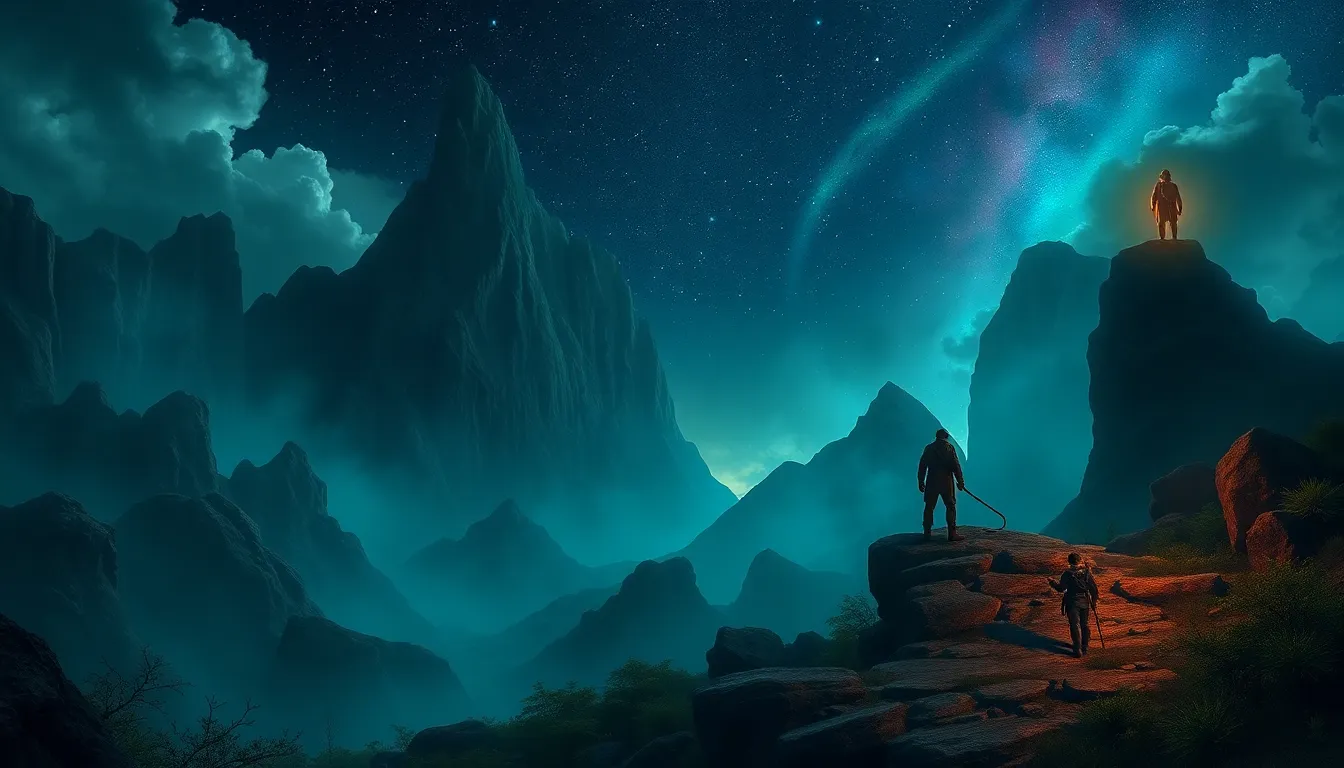
Mythical lands have captivated the human imagination for centuries. Defined as places that exist in stories and legends rather than in reality, these locations often symbolize the unknown and the unexplored. From fantastical islands to hidden cities, mythical lands represent the dreams and aspirations of explorers throughout history. The relationship between myth and history is intricate; many explorers set out on their journeys inspired by tales of these enchanted places, hoping to uncover truths behind the legends.
The Role of Exploration in Human Culture
Exploration has played a vital role in shaping human culture and narratives. Throughout history, explorers have ventured into the unknown, often returning with stories that blend reality with myth. These narratives not only inform our understanding of geography but also fuel our imagination, leading to the creation of legends. The tales of their journeys inspire generations to dream of adventure and discovery.
The Age of Discovery: Birth of Legendary Explorers
The Age of Discovery, spanning the 15th to the 17th centuries, marked a significant period in history characterized by extensive exploration. Key figures such as:
- Christopher Columbus
- Ferdinand Magellan
- Vasco da Gama
These explorers ventured into uncharted waters, and their discoveries contributed to the creation of many mythical lands. Their accounts often exaggerated the wonders they encountered, transforming their journeys into legendary tales that fueled public imagination.
El Dorado: The Quest for the Lost City of Gold
The legend of El Dorado, the fabled city of gold, has its roots in the early Spanish conquests of South America. Originally, the term referred to a king who was said to cover himself in gold dust and then plunge into Lake Guatavita as an offering to the gods. This story sparked a flurry of expeditions, leading notable explorers like:
- Francisco Orellana
- Sir Walter Raleigh
to seek the elusive city. Despite numerous attempts, El Dorado has never been found, yet its cultural impact remains profound, influencing countless tales and inspiring the imaginations of adventurers and writers alike.
Atlantis: The Lost Civilization
The story of Atlantis, first described by the philosopher Plato, depicts a powerful civilization that mysteriously vanished beneath the waves. This tale has intrigued explorers and archaeologists for centuries, with many attempting to locate evidence of this lost city. Notable figures in the search for Atlantis include:
- Ignatius Donnelly
- Jacques Cousteau
The ongoing fascination with Atlantis reflects our desire to uncover lost civilizations and understand the mysteries of human history.
The Fountain of Youth: Myths and Explorations
The legend of the Fountain of Youth, a mythical spring that grants eternal youth, has its origins in Spanish exploration. One of the most famous figures associated with this quest is Juan Ponce de León, who embarked on an expedition to Florida in search of the fountain. Although he never found it, his journey exemplifies how the intertwining of myth and exploration can shape narratives and drive human ambition.
The Legend of the Amazon: Explorers and Myths
The Amazon rainforest is often portrayed as a mythical land filled with treasures and untold mysteries. Explorers such as Percy Fawcett ventured into its depths, driven by local myths and their own adventurous spirits. Fawcett’s quest for a lost city he called “City of Z” highlights how local folklore can influence exploration, leading to both discovery and tragedy.
The Search for the Northwest Passage: Myth vs. Reality
The Northwest Passage, a sea route connecting the Atlantic and Pacific Oceans, has long been regarded as a mythical shortcut for explorers. The significance of this route in exploration history is profound, with key expeditions led by:
- Martin Waldseemüller
- Sir John Franklin
These explorers faced harsh realities, including treacherous ice and extreme weather, in their pursuit of the passage. The intersection of myth and the stark truths of Arctic exploration serves as a reminder of the challenges that explorers face in their quests.
Modern Explorers and the Legacy of Lost Lands
Today, contemporary adventurers continue to be inspired by ancient myths, embarking on journeys that echo the stories of their predecessors. Modern technology, such as satellite imagery and advanced mapping, has redefined the search for mythical lands. Recent discoveries, such as ancient ruins and previously unexplored territories, remind us that while the world may seem mapped out, there are still secrets to uncover.
Conclusion: The Enduring Power of Exploration Myths
In conclusion, the legends of lost lands and the explorers who sought them continue to inspire and shape our understanding of the world. These myths serve as a testament to human curiosity and the relentless pursuit of knowledge. The significance of myth in exploration is not merely about finding new places; it represents the eternal quest for understanding and the human desire to connect with the unknown.