Magic Awaits: Exploring the Myths of Enchanted Forests
I. Introduction to Enchanted Forests
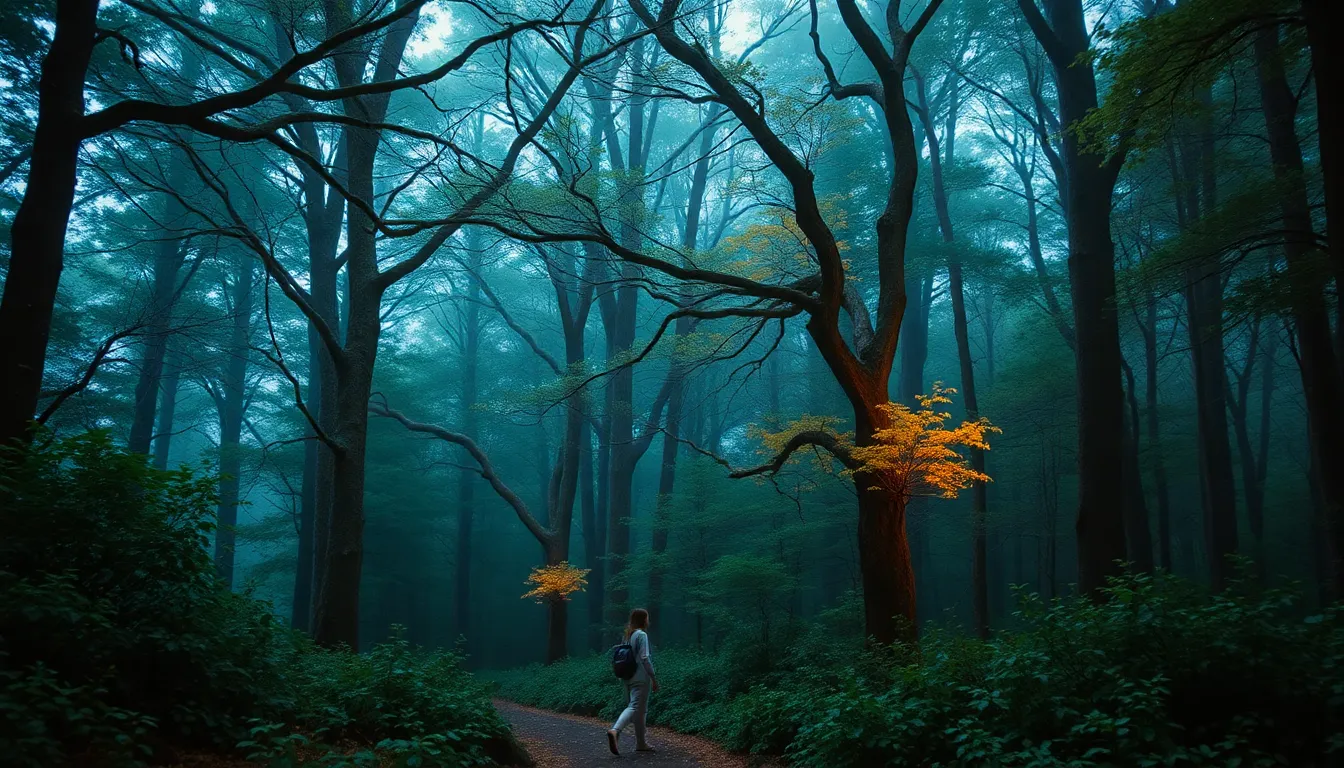
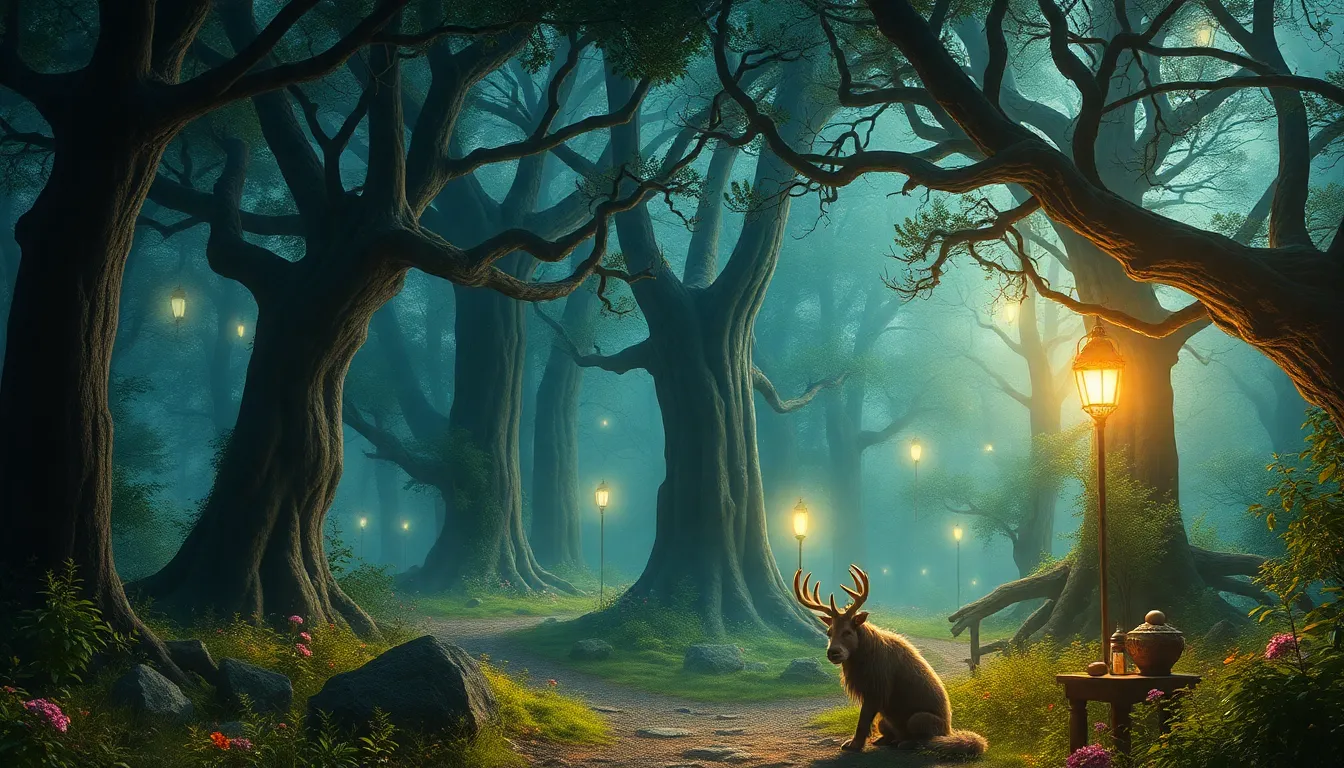
Enchanted forests have long captured the human imagination, representing spaces where magic and reality intertwine. These mystical woodlands are often depicted in folklore and mythology as realms where extraordinary events unfold, and nature reveals its secrets. The significance of enchanted forests transcends mere storytelling; they embody cultural values, fears, and aspirations, serving as a backdrop for adventure, transformation, and discovery.
The purpose of this article is to unravel the myths surrounding enchanted forests and explore their cultural impact across various societies. By delving into the historical context, common themes, and contemporary representations, we aim to illuminate the enduring fascination with these magical places.
II. Historical Context of Enchanted Forests
The role of forests in ancient civilizations was multifaceted. They were seen as sources of sustenance, materials, and spiritual significance. Many cultures revered forests, associating them with gods and supernatural beings. As human societies evolved, so did the myths surrounding these green realms.
The evolution of forest myths varies across different cultures, each adding layers of meaning and narrative. In many traditions, forests symbolize the unknown, the wild, and the primal aspects of human nature. They often serve as settings for heroic quests, moral lessons, and transformative journeys.
In literature and art, forests have taken on a symbolic meaning. They represent the boundary between civilization and wilderness, offering a space for characters to confront their inner struggles. From the dark woods of fairy tales to idyllic groves in romantic poetry, the portrayal of forests shapes and reflects cultural values.
III. Common Themes in Enchanted Forest Myths
Enchanted forests are rich in common themes that resonate across cultures:
- Transformation and metamorphosis: Characters often undergo significant changes within the forest, emerging with newfound wisdom or power.
- Guardians and protectors of nature: Many myths feature beings who protect the forest and its creatures, symbolizing the harmonious relationship between humanity and nature.
- The duality of beauty and danger: Enchanted forests can be breathtakingly beautiful yet perilous, highlighting the balance between attraction and fear.
IV. Famous Enchanted Forests in Folklore
Several enchanted forests have become iconic through folklore and literature:
- Sherwood Forest: Famous for its association with Robin Hood and his band of outlaws, Sherwood Forest embodies themes of rebellion and justice.
- The Black Forest: In German mythology, this dense, dark forest is home to various supernatural beings and serves as a setting for cautionary tales.
- The Forest of Arden: In Shakespeare’s “As You Like It,” this idyllic forest represents a place of refuge, transformation, and the complexities of love.
V. The Influence of Enchanted Forests on Modern Media
Today, enchanted forests continue to inspire creators across various media:
- Representation in films and TV shows: Productions like “Into the Woods” showcase the blend of fairy tales and complex human emotions, bringing enchanted forests to life on screen.
- Enchanted forests in video games: Titles such as “The Legend of Zelda” feature magical woods that serve as settings for quests and puzzles, inviting players to explore their mysteries.
- The resurgence of forest themes in contemporary literature: Modern authors often draw upon the rich symbolism of forests, weaving them into narratives that resonate with contemporary issues.
VI. Nature and Environment: Real-Life Enchanted Forests
Real-life forests often inspire the enchanting myths we cherish:
Characteristics of real forests that inspire myths include:
- Diverse flora and fauna
- Unique landscapes and ecosystems
- Mysterious sounds and sights that evoke wonder
The ecological importance of preserving these magical environments cannot be overstated. They provide habitat for countless species and play a critical role in maintaining Earth’s biodiversity.
Examples of real-life enchanted forests include:
- Aokigahara: Also known as the Sea of Trees in Japan, this forest has a mystical reputation and is often associated with folklore.
- The Amazon: The Amazon rainforest, with its incredible biodiversity and ancient cultures, embodies the essence of enchanted forests.
VII. The Psychology of Enchanted Forests
The allure of forests extends beyond mythology into the realm of psychology:
The impact of nature on mental well-being has been widely studied, with evidence suggesting that time spent in natural settings can reduce stress and improve mood. This phenomenon is often referred to as nature therapy.
Enchanted forests serve as places for escapism and reflection, allowing individuals to disconnect from the chaos of modern life and reconnect with themselves.
VIII. Enchanted Forests in Different Cultures
Across the globe, enchanted forests manifest in unique ways:
- Celtic myths: Sacred groves were essential in Celtic spirituality, serving as places for worship and connection with the divine.
- Japanese folklore: The concept of “Kodama,” tree spirits that inhabit ancient trees, highlights the reverence for nature in Japanese culture.
- Indigenous stories of the forests: Many Native American cultures have rich traditions that celebrate the forests, viewing them as living entities with spirits and wisdom.
IX. The Future of Enchanted Forest Myths
As society evolves, so too does the narrative surrounding enchanted forests:
Modern society shapes and transforms these myths, often reflecting contemporary values and concerns. The role of technology in preserving forest folklore becomes increasingly important, as digital storytelling and virtual experiences bridge the gap between tradition and modernity.
Predictions for the evolution of enchanted forest stories suggest that as environmental issues gain prominence, narratives may shift to emphasize themes of conservation and the interconnectedness of all life.
X. Conclusion
Enchanted forests hold a significant place in myths and folklore, serving as powerful symbols of transformation, nature’s mysteries, and the balance between beauty and danger. As we continue to explore and reinterpret these magical spaces, they remain a testament to humanity’s enduring fascination with nature and the stories that arise from its depths.