Puerto Rican Origins: Exploring the Roots of the Chupacabra Myth
I. Introduction
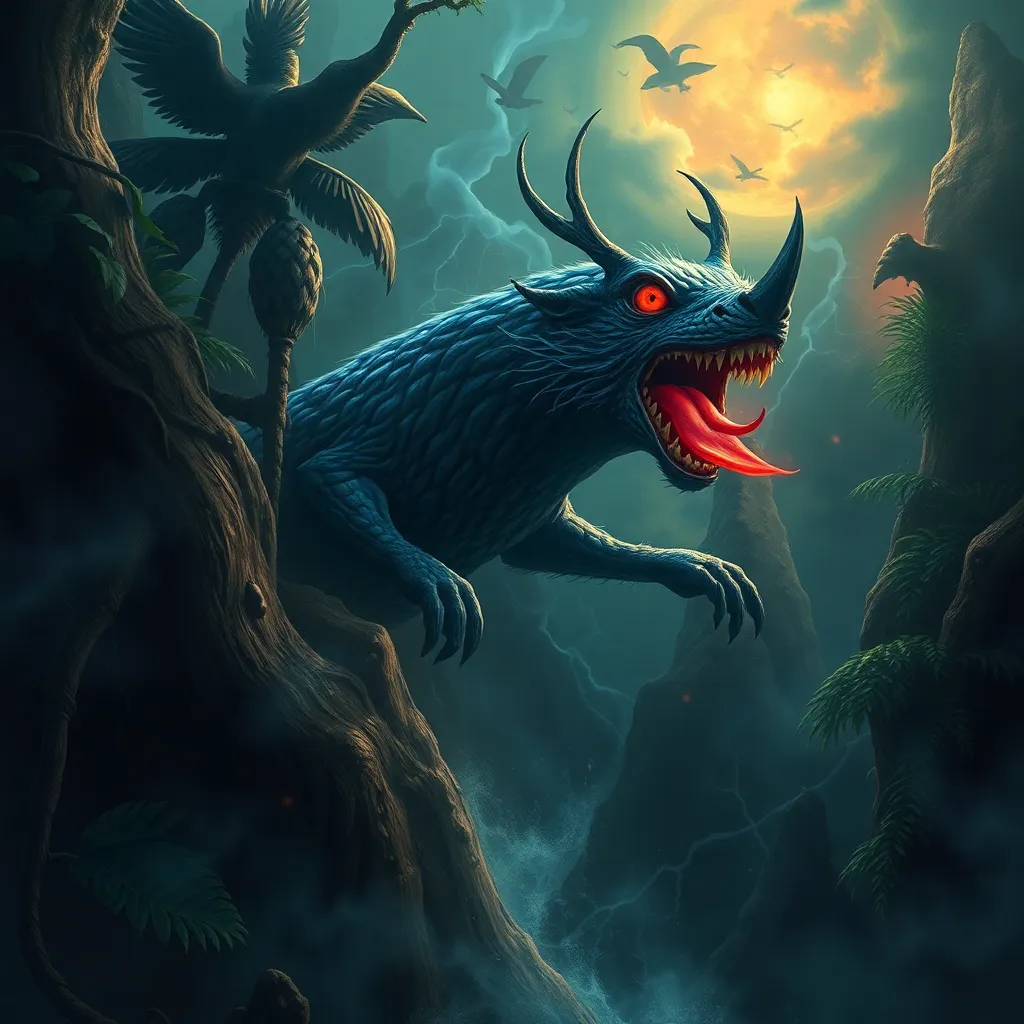
The Chupacabra, a creature shrouded in mystery and fear, is one of the most notorious legends to emerge from Puerto Rico. Described as a blood-sucking beast that preys on livestock, particularly goats, the Chupacabra has captivated the imaginations of many both on the island and beyond. Understanding its origins is essential to appreciate the cultural, historical, and social contexts in which this myth flourished.
This article aims to explore the roots of the Chupacabra myth in Puerto Rico, examining its historical context, cultural significance, and how it has evolved over time. By delving into these aspects, we can gain insight into the ways in which folklore reflects and shapes the identity of a community.
II. Historical Context of Puerto Rico
A. Indigenous peoples and their folklore
Long before the arrival of European colonizers, Puerto Rico was home to the Taíno and Carib indigenous peoples, each with their own rich tapestry of myths and legends. These early stories often featured complex relationships with nature, spirits, and the supernatural. The Taíno, for example, worshipped various deities and believed in creatures that represented natural forces.
B. Colonial influences on cultural narratives
The arrival of Spanish colonizers in the late 15th century introduced new cultural narratives that intertwined with indigenous beliefs. The fusion of European and indigenous folklore led to the creation of a unique cultural identity. Many Spanish tales of witches, ghosts, and other supernatural beings found a home in Puerto Rican folklore, setting the stage for later legends like the Chupacabra.
C. Evolution of local myths and legends
As Puerto Rico experienced waves of immigration and cultural exchange, its folklore continued to evolve. The blending of African, Spanish, and indigenous influences gave rise to a dynamic storytelling tradition. New myths emerged, reflecting the social and environmental challenges faced by the community, paving the way for the emergence of the Chupacabra as a modern legend.
III. The Emergence of the Chupacabra
A. First reported sightings in the 1990s
The Chupacabra first entered the public consciousness in the mid-1990s. Reports of livestock deaths, particularly among goats, began to circulate in Puerto Rico, with farmers claiming to find their animals drained of blood and bearing unusual puncture wounds. The first widely publicized sighting occurred in 1995 in the town of Canóvanas, leading to a frenzy of media attention.
B. Media coverage and public reaction
The media played a significant role in shaping the Chupacabra narrative. Newspapers, television shows, and radio broadcasts reported on sightings and the ensuing panic among farmers. The coverage amplified public interest and fear, transforming the Chupacabra from a local curiosity into a national phenomenon.
C. Comparison with other mythical creatures in folklore
Similar to other legendary creatures such as Bigfoot and the Loch Ness Monster, the Chupacabra taps into humanity’s fascination with the unknown. Like these creatures, it embodies the fear of the wild and the challenges of modern life, becoming a symbol of the unknown lurking just beyond the familiar.
IV. Cultural Significance of the Chupacabra
A. Symbolism in Puerto Rican culture
In Puerto Rican culture, the Chupacabra symbolizes the struggle between nature and human civilization. It represents fears surrounding food security and the impact of environmental changes on traditional farming practices. As a folkloric entity, it serves as a reminder of the vulnerabilities faced by rural communities.
B. Role in community identity and storytelling
The Chupacabra has become a vital part of Puerto Rican storytelling, fostering community bonds through shared tales of encounters and experiences. Local legends often serve as cautionary tales, emphasizing moral lessons while reinforcing cultural identity.
C. Connection to social and economic issues
Beyond its mythical status, the Chupacabra reflects real social and economic issues within Puerto Rican society. The fear of livestock attacks correlates with the struggles of rural farmers, adding layers of meaning to the legend as it intertwines with contemporary challenges such as poverty, migration, and globalization.
V. The Chupacabra in Popular Culture
A. Representation in literature, film, and media
The Chupacabra has permeated popular culture, appearing in various forms of media including literature, films, and television shows. It has been depicted in horror films as a terrifying predator and has even featured in children’s stories, showcasing its versatility as a cultural icon.
B. Influence on tourism and local economy
As the Chupacabra gained notoriety, it also became a point of interest for tourism in Puerto Rico. Tours and attractions themed around the legend have emerged, contributing to the local economy while drawing attention to the island’s rich folklore.
C. Global spread and variations of the myth
As the legend of the Chupacabra spread beyond Puerto Rico, it adapted to various cultural contexts. Different regions have developed their own interpretations of the creature, leading to diverse depictions that reflect local fears and concerns, from bloodsucking beasts in Latin America to cryptids in the United States.
VI. Scientific Explanations and Debunking Myths
A. Analysis of animal encounters attributed to the Chupacabra
Despite the chilling accounts of Chupacabra sightings, scientific investigations have sought to explain these encounters through more rational lenses. Many livestock deaths have been attributed to natural causes, such as attacks by wild animals like coyotes or dogs suffering from mange.
B. Scientific investigations and findings
In 2000, a group of scientists conducted research into the Chupacabra phenomenon, examining the remains of animals claimed to be victims. Their findings suggested that many of the so-called Chupacabras were, in fact, ordinary animals suffering from diseases that affected their appearance and behavior.
C. The balance between myth and reality
While scientific explanations provide clarity, they do not entirely diminish the cultural significance of the Chupacabra. The myth continues to thrive as a part of Puerto Rican identity, illustrating the balance between myth and reality in folklore.
VII. Contemporary Relevance of the Chupacabra Myth
A. Ongoing sightings and public interest
Even today, reports of Chupacabra sightings continue to emerge, sustaining public interest and intrigue. Social media has played a crucial role in disseminating these accounts, allowing individuals to share their experiences and foster community discussions.
B. The myth’s role in modern Puerto Rican identity
The Chupacabra remains a poignant symbol of Puerto Rican identity, embodying the complexities of cultural heritage in a globalized world. It serves as a touchstone for conversations about tradition, modernization, and the preservation of local folklore.
C. Impact of globalization on local myths
As globalization expands, local myths like the Chupacabra face challenges in maintaining their relevance. However, they also benefit from increased visibility, allowing for the sharing and reinvention of folklore in contemporary contexts.
VIII. Conclusion
The Chupacabra’s origins and significance in Puerto Rican culture reveal the intricate web of history, identity, and social issues that shape local folklore. As a modern myth, it encapsulates the fears, struggles, and resilience of the Puerto Rican people.
Understanding the nature of such myths enriches our cultural heritage, urging us to explore and preserve the stories that define communities. As we navigate the complexities of contemporary life, legends like the Chupacabra remind us of the power of storytelling and the enduring connection to our roots.