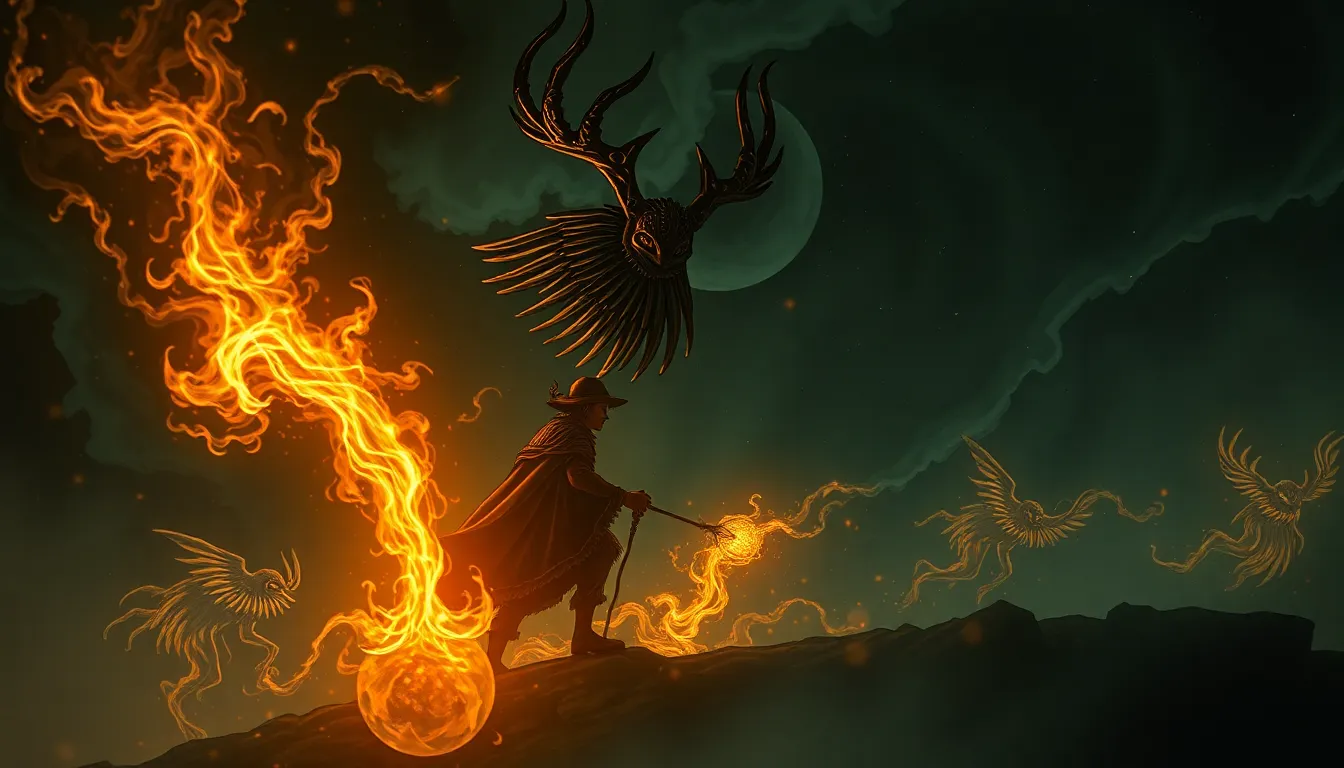
The Allure of Trickery: Why We’re Drawn to Trickster Stories
I. Introduction
The trickster archetype is a fascinating figure in literature and culture, often embodying characteristics that defy conventional norms and expectations. These characters are typically clever, mischievous, and unpredictable, serving as both heroes and anti-heroes in their narratives. The purpose of this article is to explore the enduring appeal of trickster stories, examining why they resonate across cultures and generations.
Various cultures feature prominent trickster figures; for instance, Loki in Norse mythology, Anansi the Spider in African folklore, and Coyote in Native American tales. Each of these characters represents unique perspectives on humanity, society, and morality, drawing us into their whimsical yet insightful worlds.
II. Historical Context of Trickster Tales
Trickster stories have their origins in oral traditions, where they were used to entertain, educate, and convey moral lessons. These narratives evolved over centuries, adapting to the cultural nuances of different civilizations.
- Origins: Trickster tales often emerged from communal storytelling practices, where the audience could engage with the narrative.
- Evolution: As societies transformed, so too did their trickster figures, reflecting shifting values and beliefs.
- Moral Lessons: Tricksters often exemplify the complexities of human nature, challenging societal norms and presenting moral dilemmas.
III. Psychological Appeal of Tricksters
The trickster archetype resonates deeply within us, symbolizing rebellion and the quest for freedom. These characters often operate outside the bounds of societal rules, allowing us to explore the chaos that lies beneath order.
Tricksters embody a profound duality:
- Chaos vs. Order: They navigate the fine line between disruption and stability, inviting us to question established norms.
- Psychological Theories: According to Carl Jung, archetypes like the trickster reflect our collective unconscious, tapping into universal themes that resonate across cultures.
IV. Trickster Figures in Mythology and Folklore
Throughout history, trickster figures have appeared in various mythologies, each carrying cultural significance and imparting vital lessons:
- African: Anansi the Spider, known for his cleverness and ability to outwit others, teaches important life lessons about wisdom and resourcefulness.
- Native American: Coyote, often portrayed as a creator and destroyer, embodies the duality of life and emphasizes the importance of adaptability.
- Norse: Loki, the god of mischief, challenges the gods and humans alike, highlighting themes of chaos and the unpredictable nature of existence.
- Greek: Hermes, the messenger god, embodies trickery and cunning, often facilitating communication and commerce while bending the rules.
Each of these figures not only entertains but also serves as a vehicle for cultural commentary, reflecting the values and challenges of their respective societies.
V. Trickster Stories in Modern Media
In contemporary literature and film, trickster characters continue to thrive, often representing the complexities of modern life. These figures have evolved, reflecting current societal challenges and realities.
- Contemporary Literature: Authors incorporate trickster elements to subvert expectations and explore moral ambiguities.
- Movies and TV Shows: Characters like The Joker and Deadpool showcase the allure of chaos and rebellion against societal norms.
- Technology and Social Media: Platforms have reshaped trickster narratives, allowing for real-time engagement and commentary on societal issues.
VI. Themes Explored in Trickster Narratives
Trickster stories delve into various themes that resonate with audiences:
- Subversion of Authority: Tricksters often challenge those in power, encouraging a reevaluation of societal norms.
- Intelligence vs. Foolishness: The interplay between cleverness and absurdity highlights the unpredictability of human behavior.
- Moral Ambiguity: Tricksters operate in grey areas, prompting us to question our own moral beliefs and judgments.
VII. The Role of Humor in Trickster Tales
Humor plays a crucial role in trickster narratives, serving as a vehicle for deeper truths:
- Deeper Truths: Laughter allows audiences to confront difficult societal issues in a more palatable way.
- Therapeutic Effects: Humor can provide relief from the harsh realities of life, fostering resilience.
- Comedy and Tragedy: The balance between these elements in trickster stories enhances their emotional depth and relatability.
VIII. The Social Commentary Embedded in Trickster Stories
Tricksters often serve as critics of societal flaws and injustices, using their cunning to expose and challenge the status quo:
- Critics of Society: Through their antics, tricksters highlight hypocrisy and corruption.
- Influencing Change: Historical examples show how trickster narratives have inspired movements for social justice.
- Contemporary Relevance: In today’s discourse, trickster stories remain relevant, encouraging critical thinking and dialogue about pressing issues.
IX. The Enduring Allure of Trickster Stories
Ultimately, the allure of trickster stories lies in their ability to reflect our complexities and contradictions. They provide a lens through which we can explore the nuances of human nature, societal structures, and moral dilemmas. As we engage with these narratives, we find not only entertainment but also a deeper understanding of ourselves and the world around us.