The Black Tortoise in Korean Mythology: Guardian of the North
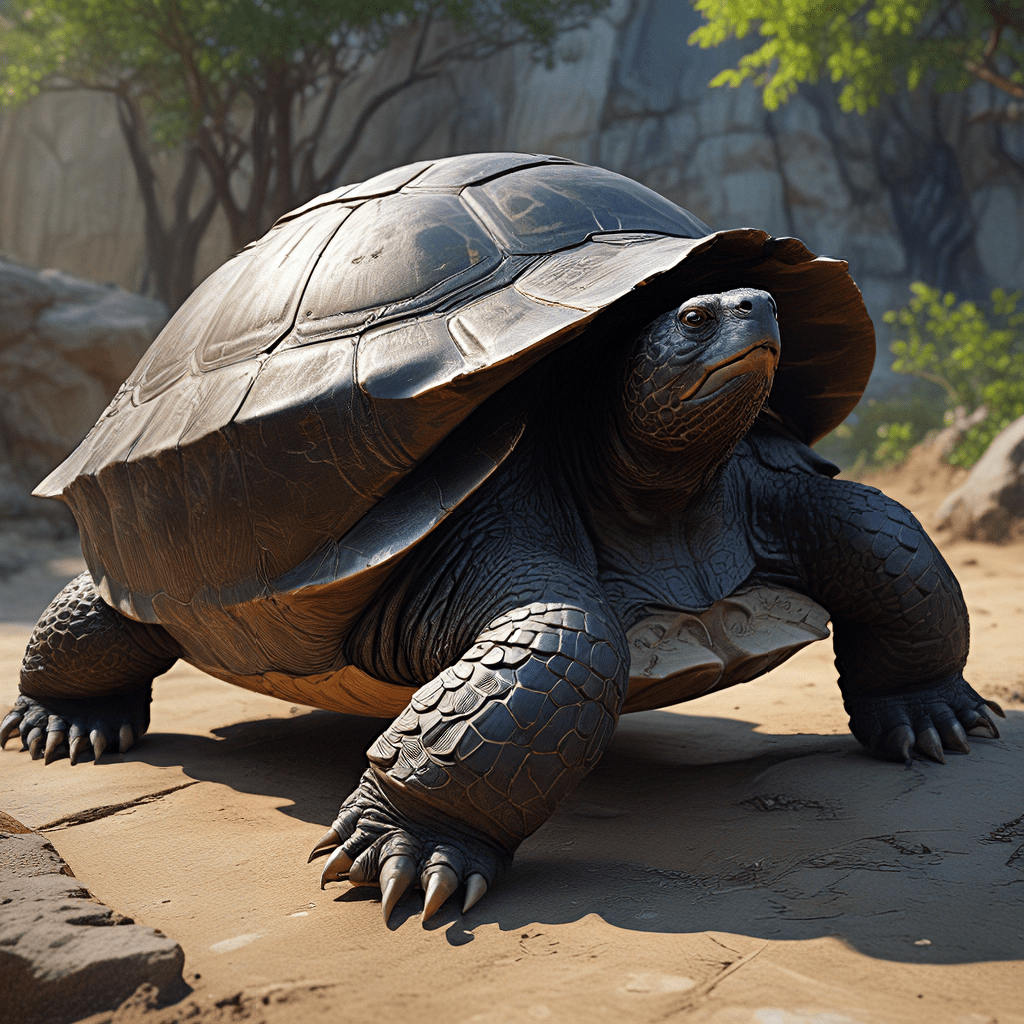
In the rich tapestry of Korean mythology, the Black Tortoise, known as "玄武" (Hyeonmu) in Korean, holds a prominent place as one of the four celestial guardians, each representing a cardinal direction. The Black Tortoise embodies the North, a direction associated with mystery, wisdom, and longevity. The creature is depicted as a powerful, wise, and benevolent being, symbolizing the unwavering strength and stability of the earth.
The Four Symbols: A Cosmic Order
The Black Tortoise is one of the four mythical creatures, known as the Four Symbols, that govern the cosmos in Korean mythology. Each symbol represents a cardinal direction, an element, and a season. The Black Tortoise, along with the Azure Dragon (East), the White Tiger (West), and the Vermilion Bird (South), form a harmonious and balanced cosmic order, symbolizing the interconnectedness and cyclical nature of the universe.
The Black Tortoise and the Elements: Earth and Water
The Black Tortoise is closely associated with the elements of earth and water. The earth symbolizes stability, solidity, and nourishment, while water represents fluidity, adaptability, and change. These elements perfectly capture the duality of the Black Tortoise: its steadfastness and its ability to navigate through challenges with grace. This duality is reflected in the creature's ability to both create and sustain life.
The Black Tortoise as a Protector: A Symbol of Strength and Longevity
The Black Tortoise, as the guardian of the North, is a powerful symbol of protection and longevity. In Korean tradition, the North is often associated with ancestors and the spirit world. The Black Tortoise is believed to ward off evil spirits and influences, safeguarding people and their communities. Its long lifespan, which reflects the enduring strength of the earth, is a testament to its ability to overcome obstacles and endure through time.
The Transformation of the Black Tortoise: From Creature to Constellation
In Korean astronomy, the Black Tortoise is represented by a constellation that encompasses seven stars in the northern sky. This constellation, known as "玄武" (Hyeonmu), signifies the transformation of the Black Tortoise from a creature of mythology into a celestial body. The constellation's position in the night sky further reinforces the Black Tortoise's role as a guardian, providing a sense of order and stability in the vastness of the universe.
The Black Tortoise in Korean Art and Literature: A Persistent Symbol
The Black Tortoise's powerful imagery has resonated throughout Korean art and literature, finding expression in various forms. In traditional paintings, the Black Tortoise is often depicted as a majestic creature with a shell resembling a tortoise and a head that often takes the shape of a dragon. These paintings are frequently found in royal palaces, temples, and tombs, reflecting its importance as a symbol of protection, wisdom, and longevity. The Black Tortoise is also a common motif in Korean ceramics, wood carvings, and embroidered textiles, its image appearing on everything from decorative vases to ceremonial robes.
In Korean literature, the Black Tortoise's influence can be seen in poems, folktales, and even historical chronicles. For example, the creature features prominently in the Joseon Dynasty's "Eumyang Ogye," a classic text on Korean philosophy and cosmology, which details the Four Symbols' roles in the harmonious balance of the universe. These stories and poems often use the Black Tortoise as a metaphor for resilience, endurance, and the importance of maintaining balance in life's journey. The Black Tortoise's enduring presence in Korean art and literature is a testament to its profound impact on Korean culture.
The Black Tortoise in Korean Rituals and Festivals: Honoring the Guardian Spirit
The Black Tortoise's role as a guardian spirit is also reflected in various Korean rituals and festivals. Ancient Korean Shamanistic practices often involved invoking the Black Tortoise for protection and guidance. During these ceremonies, shamans would call upon the Black Tortoise's spirit, seeking its blessings and strength in times of need. These rituals, often performed in sacred groves or mountains, were meant to maintain harmony between the human world and the spirit world, with the Black Tortoise acting as a bridge between the two.
The Black Tortoise is also revered in traditional Korean festivals. The Dano Festival, a spring festival celebrating fertility and abundance, often features rituals and dances dedicated to the Black Tortoise. These performances symbolize the Black Tortoise's ability to nourish and protect the earth, ensuring a bountiful harvest. The Black Tortoise's presence in these rituals and festivals underscores its enduring role as a guardian spirit, a protector of communities and a symbol of hope for prosperity.
Theories on the Origin of the Black Tortoise Myth: Tracing its Roots
The Black Tortoise's origins can be traced back to ancient Chinese mythology, where the creature is known as "Xuanwu." This myth, which predates Korean mythology, depicts the Black Tortoise as a celestial being representing the North and the element of water. The Chinese myth also associates the Black Tortoise with the Yang energy, which represents the active and masculine principle in the universe.
While the Korean myth shares similarities with the Chinese myth, it also incorporates its own unique elements. For example, the Korean myth emphasizes the Black Tortoise's connection to the earth, further solidifying its role as a protector and a symbol of stability. The Korean myth also highlights the Black Tortoise's association with ancestors and the spirit world, reflecting the strong spiritual traditions that have long been a central aspect of Korean culture.
The Black Tortoise and the Shamanistic Tradition: Connection to the Ancestral Spirits
The Black Tortoise's connection to the ancestral spirits is deeply rooted in Korean shamanism. In traditional Korean beliefs, ancestors are seen as powerful spirits who can both guide and protect their descendants. The Black Tortoise, as the guardian of the North and the spirit world, is often believed to act as a mediator between the living and the dead. This belief is reflected in the Black Tortoise's appearance in ancestral rituals, where it is invoked to ensure the well-being of deceased loved ones and to seek their guidance and protection.
The Black Tortoise is also associated with the shamanistic practice of divination. Shamans would use the Black Tortoise's shell, similar to the practice of using turtle shells in ancient China, to interpret omens and seek guidance from the spirit world. The Black Tortoise's connection to the ancestral spirits reinforces its role as a powerful and benevolent guardian, connecting the living with the spiritual realm and ensuring the continuity of family and community.
The Black Tortoise in Modern Korean Culture: A Timeless Symbol of Wisdom and Balance
Despite the passage of time, the Black Tortoise remains a powerful and enduring symbol in modern Korean culture. It can be seen in various forms of modern media, from video games to popular television dramas. The Black Tortoise is also a popular motif in contemporary art, with artists exploring its symbolism in new and innovative ways.
The Black Tortoise's enduring presence in modern Korean society reflects its timeless appeal as a symbol of wisdom, balance, and resilience. In a world that is constantly changing and evolving, the Black Tortoise reminds us of the importance of grounding ourselves in tradition, seeking wisdom from the past, and embracing the duality of life's experiences. The Black Tortoise continues to inspire Koreans to strive for harmony, stability, and a deep connection to their ancestral heritage.
FAQs
Q: What is the Black Tortoise in Korean mythology?
A: The Black Tortoise, known as "玄武" (Hyeonmu) in Korean, is one of the Four Symbols in Korean mythology, representing the North, earth, and water. It is depicted as a powerful and wise creature, symbolizing strength, stability, and longevity.
Q: What is the significance of the Black Tortoise's association with the North?
A: The North is associated with mystery, wisdom, and longevity. The Black Tortoise, as the guardian of the North, embodies these qualities, protecting people and their communities from evil spirits and influences.
Q: How is the Black Tortoise depicted in Korean art and literature?
A: The Black Tortoise is often depicted in traditional Korean paintings, ceramics, wood carvings, and embroidered textiles. It is also a recurring motif in Korean poetry, folktales, and historical chronicles, symbolizing resilience, endurance, and balance.
Q: What is the Black Tortoise's connection to Korean Shamanism?
A: The Black Tortoise is believed to be connected to the ancestral spirits and the spirit world. Shamans invoke the Black Tortoise for protection, guidance, and communication with the deceased.
Q: How does the Black Tortoise remain relevant in modern Korean culture?
A: The Black Tortoise continues to be a powerful and enduring symbol in modern Korean culture, appearing in various media, art, and literature. It embodies timeless values of wisdom, balance, and resilience, reminding Koreans of the importance of tradition and ancestral heritage.