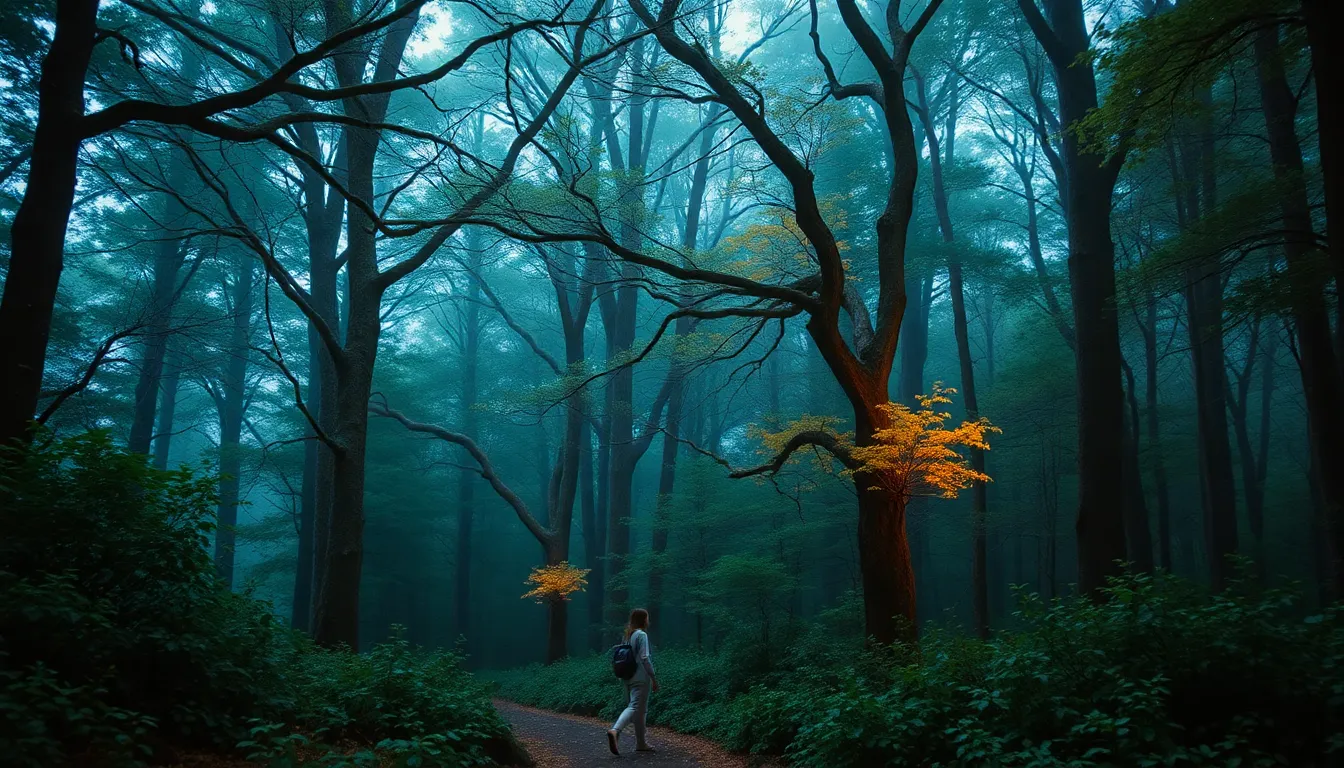
The Enchanted Forest: A Realm of Endless Possibilities
I. Introduction to the Enchanted Forest
The concept of the enchanted forest has captivated the human imagination for centuries. Defined as a magical woodland filled with wonder, mystery, and adventure, enchanted forests hold a significant place in folklore and literature. They symbolize the intersection of reality and fantasy, serving as a backdrop for personal transformation and exploration.
Within these mystical realms, the notion of “endless possibilities” thrives, inviting characters and readers alike to embark on journeys of self-discovery, face challenges, and uncover hidden truths. This article aims to explore the rich tapestry of enchanted forests, delving into their historical roots, natural beauty, symbolism, and their portrayal in literature and modern media.
II. Historical Roots of Enchanted Forests
The origins of enchanted forests can be traced back to mythology and ancient cultures, where sacred groves and mystical woods were often considered dwelling places for gods and spirits. Many early societies believed that these forests were gateways to other realms, where the natural and supernatural coexisted.
As fairy tales evolved, so did the motif of the enchanted forest. Classic tales often feature characters venturing into these magical woods, facing trials and tribulations that lead to personal growth or significant change. The enchanted forest serves as both a setting and a catalyst for transformation.
- Cultural variations: Enchanted forests can be found worldwide, each culture infusing their own beliefs and myths into these mystical spaces. For example:
- In European folklore, the Brothers Grimm often depicted enchanted forests as places of both danger and magic.
- In Japanese culture, forests like Aokigahara are associated with spirits and the supernatural.
- In Native American traditions, certain woodlands are seen as sacred spaces for healing and spiritual connection.
III. The Natural Beauty of Enchanted Forests
Enchanted forests are not just places of magic; they are also celebrated for their breathtaking natural beauty. The flora and fauna found in these woods often include unique and fantastical elements, such as glowing flowers, whispering trees, and elusive creatures.
Seasonal changes add to the enchantment, with each season bringing its own magical implications:
- Spring: A time of rebirth and awakening, where blossoms and vibrant colors emerge.
- Summer: The forest becomes a lush paradise filled with life and adventure.
- Autumn: A period of transformation, where leaves change colors, creating a golden tapestry.
- Winter: A serene landscape, often cloaked in snow, evoking a sense of calm and introspection.
The interplay of natural elements, such as light filtering through the leaves, the sounds of rustling branches, and the rich scents of earth and flora, contributes to the enchanting atmosphere of these forests.
IV. Symbolism and Themes in Enchanted Forests
Enchanted forests are rich in symbolism, often representing the journey of self-discovery and transformation. Characters enter these woods to confront their fears, learn valuable lessons, and emerge changed.
Furthermore, these forests embody a duality of danger and safety. While they may be home to perilous creatures or challenges, they also provide refuge and healing.
Key themes often explored in enchanted forests include:
- Love: Many stories depict love blossoming in the magical embrace of the forest.
- Loss: Characters may confront their past or the loss of loved ones while navigating the woods.
- Growth: The enchanted forest serves as a metaphor for personal growth, illustrating the importance of facing one’s challenges.
V. Enchanted Forests in Literature and Media
Throughout history, enchanted forests have been prominent settings in literature and media. Iconic examples include:
- “A Midsummer Night’s Dream” by William Shakespeare, where the forest serves as a backdrop for love and mischief.
- “The Chronicles of Narnia” by C.S. Lewis, where the magical woods lead to a parallel world filled with adventure.
In modern interpretations, enchanted forests often feature in films and television shows, bringing new life to the age-old motif. Their portrayal continues to impact storytelling, character development, and the viewer’s emotional engagement.
VI. The Role of Magic in the Enchanted Forest
Magic is the lifeblood of enchanted forests, manifesting in various forms. Types of magic associated with these woods often include:
- Transformational magic: Enabling characters to change forms or gain new abilities.
- Healing magic: Providing solace and restoration to weary souls.
- Illusionary magic: Creating deceptive appearances or altering perceptions.
Magical creatures such as fairies, elves, and mythical beasts populate these forests, each representing different aspects of magic and nature. Their significance often ties back to the themes of the stories they inhabit, serving as guides or obstacles for the characters.
VII. Enchanted Forests as Spaces for Adventure
Enchanted forests are archetypal settings for adventure, where heroes embark on journeys filled with trials and tribulations. Characters face numerous challenges, including:
- Combatting dark forces.
- Solving riddles or puzzles.
- Overcoming personal fears and doubts.
The quests undertaken in these magical woods often lead to crucial discoveries, shaping the narrative arcs and deepening character development.
VIII. Modern-Day Enchanted Forests: Reality vs. Fantasy
In the real world, certain locations embody the spirit of enchanted forests, drawing visitors with their breathtaking beauty and mystical atmosphere. Examples include:
- The Black Forest in Germany, steeped in folklore.
- The Redwood National and State Parks in California, home to ancient trees.
- The Forest of Dean in the UK, rich with myth and natural splendor.
Eco-tourism and conservation efforts are crucial in preserving these magical landscapes, ensuring that future generations can experience their wonder. Additionally, individuals can create personal enchanted spaces in their everyday lives through gardening, crafting, or simply embracing nature.
IX. Engaging with the Enchanted Forest: Activities and Experiences
Engaging with the enchanted forest can take many forms, allowing individuals to immerse themselves in nature and creativity:
- Hiking and Camping: Exploring the beauty of real enchanted forests provides an opportunity for adventure and reflection.
- Creative Pursuits: Artists, writers, and photographers can draw inspiration from the magical elements of these woods to create captivating works.
Whether through physical exploration or creative expression, the enchanted forest serves as a reminder of the endless possibilities that lie within nature and our imaginations.