The Enchanted Forest: A Tangle of Myths and Magic
1. Introduction to the Enchanted Forest
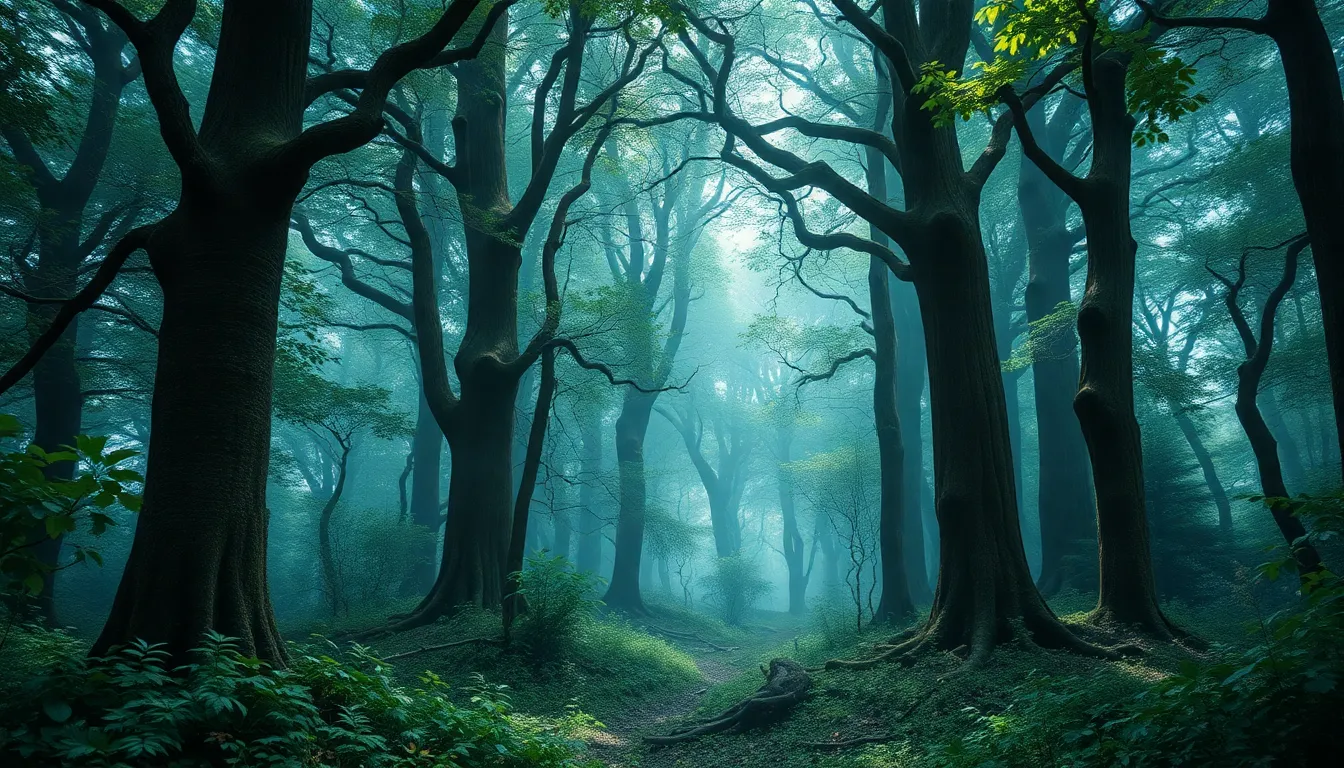
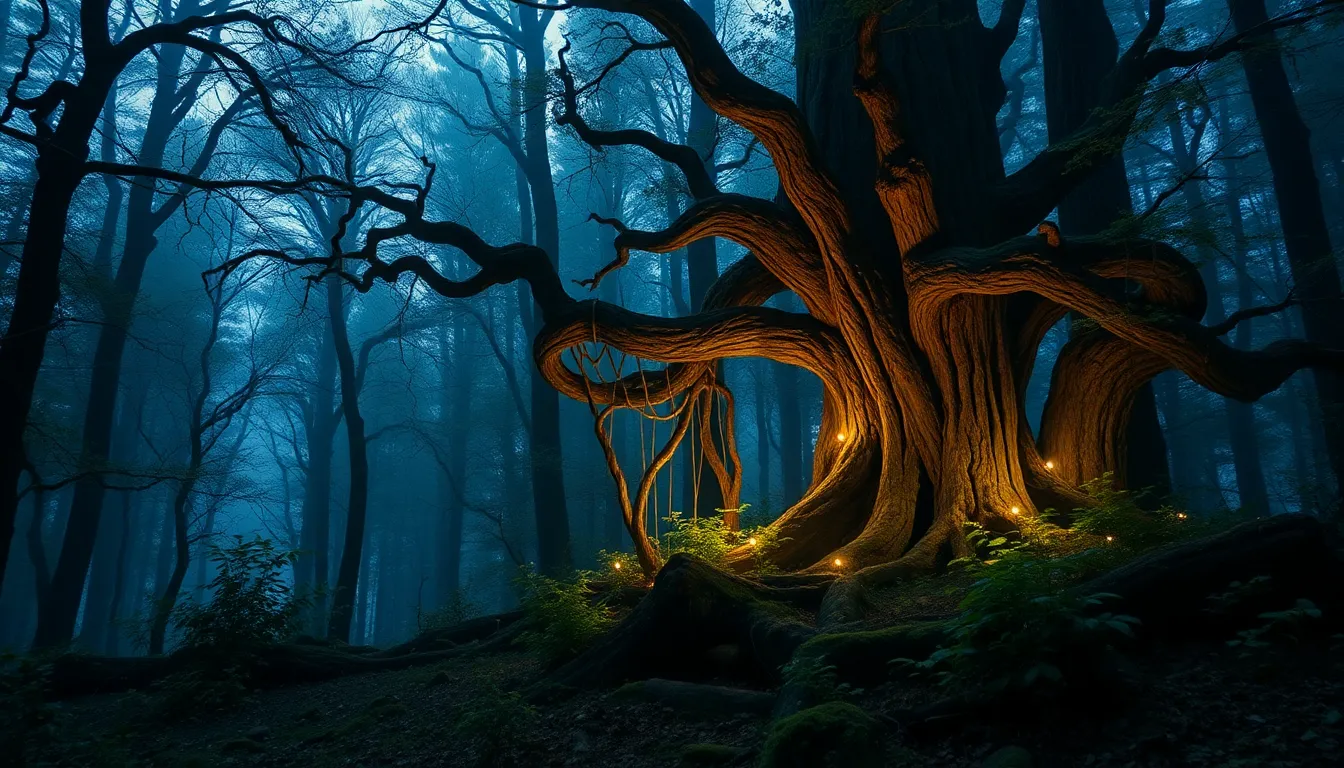
An enchanted forest is often characterized by its magical and mysterious qualities, where the boundaries between reality and fantasy blur. These forests are typically depicted as lush, verdant spaces filled with towering trees, vibrant flora, and a rich tapestry of sounds from nature. They are often imbued with mystical energies, where time seems to stand still, and the ordinary becomes extraordinary.
Throughout various cultures, enchanted forests hold significant importance in folklore and literature. They are commonly portrayed as realms of adventure, transformation, and magic, serving as backdrops for countless tales of heroes, mythical beings, and epic quests. From ancient myths to contemporary stories, the enchanted forest has become a symbol of the unknown, inviting exploration and wonder.
2. Historical Roots of Enchanted Forests
The origins of enchanted forests can be traced back to ancient mythology and religion, where they were often seen as sacred spaces inhabited by gods, spirits, and magical creatures. Many cultures believed that forests were the dwelling places of deities and otherworldly beings, and thus they were revered and sometimes feared.
- Ancient Greece: The sacred groves dedicated to gods like Artemis were believed to be enchanted, serving as places of worship and mystical encounters.
- Nordic Mythology: The Yggdrasil, or World Tree, is a central element in Norse cosmology, representing the connection between different realms.
- Indigenous Cultures: Many Native American tribes view forests as living entities, filled with spirits and stories that connect them to their ancestors.
These historical references highlight the deep-rooted connection between humanity and the enchanted forest, which continues to inspire stories and beliefs today.
3. Symbolism and Themes in Enchanted Forests
Enchanted forests are rich in symbolism, often representing the journey of life, self-discovery, and the duality of nature. Common symbols include:
- Trees: Represent life, growth, and stability, but also the passage of time and transformation.
- Creatures: Fairies, elves, and other mythical beings symbolize the unknown aspects of the human psyche and the magic of imagination.
- Paths: Often symbolize choices and journeys, leading characters toward self-discovery or adventure.
Themes of transformation, adventure, and the unknown are prevalent in the narratives that unfold within these magical spaces. The enchanted forest often serves as a catalyst for change, pushing characters to confront their fears and embrace their destinies.
4. Mythical Creatures of the Enchanted Forest
Enchanted forests are home to a plethora of mythical creatures, each playing a unique role in the lore surrounding these magical spaces. Some of the most iconic beings include:
- Fairies: Often depicted as small, winged beings with magical abilities, fairies are known for their playful nature and connection to nature.
- Elves: Often portrayed as wise and skilled in magic, elves are guardians of the forest, embodying beauty and grace.
- Trolls: Usually depicted as mischievous or malevolent beings, trolls often inhabit the darker corners of enchanted forests.
- Talking Animals: Creatures that possess human-like characteristics, often serving as guides or mentors to the protagonists.
These creatures add depth and intrigue to the stories intertwined with enchanted forests, representing various aspects of humanity, from innocence to cunning.
5. Famous Enchanted Forests in Literature and Film
Enchanted forests have been a recurring motif in literature and film, captivating audiences with their allure. Notable works include:
- A Midsummer Night’s Dream by William Shakespeare: This play features a magical forest where love and mischief intertwine, showcasing the transformative power of nature.
- The Chronicles of Narnia by C.S. Lewis: The woods of Narnia are rich with magical creatures and epic adventures, symbolizing the battle between good and evil.
- The Lord of the Rings by J.R.R. Tolkien: The Old Forest serves as a character in itself, filled with ancient trees and dark mysteries that reflect the journey of the heroes.
These stories have significantly impacted modern perceptions of enchanted forests, solidifying their place in popular culture as realms of magic and adventure.
6. The Role of Nature in Enchanted Forest Myths
Nature plays a crucial role in the narratives surrounding enchanted forests, often serving as a catalyst for magical occurrences. The connection between natural elements—such as trees, rivers, and wildlife—and the supernatural is a common theme. These forests are often depicted as teeming with biodiversity, which not only enhances their magical qualities but also reflects the importance of ecosystem preservation.
As enchanted forests are often portrayed as vibrant, living entities, their conservation becomes vital. Protecting these spaces ensures that their stories and cultural significance endure for future generations.
7. Enchanted Forests in Contemporary Culture
In contemporary culture, enchanted forests continue to thrive in various media representations, from video games to movies and books. Popular franchises like The Legend of Zelda and Into the Woods showcase enchanted forests as places of adventure and discovery.
Moreover, these magical spaces have a tangible impact on tourism and local economies. Many regions capitalize on their enchanted forest narratives, attracting visitors eager to experience the magic for themselves. This cultural significance often promotes local crafts, storytelling, and environmental awareness.
8. Psychological and Emotional Impact of Enchanted Forests
Enchanted forests evoke feelings of wonder, nostalgia, and escapism. The allure of these magical spaces can transport individuals away from the stresses of everyday life, offering a sense of peace and serenity. The therapeutic value of nature cannot be overstated, as spending time in such environments has been shown to reduce anxiety and improve mental well-being.
Moreover, enchanted forests serve as a reminder of childhood dreams and the power of imagination, inviting individuals to reconnect with their inner sense of wonder.
9. The Future of Enchanted Forests: Conservation and Sustainability
Despite their enchanting allure, real forests face numerous challenges, including deforestation, climate change, and habitat loss. These issues threaten not only the biodiversity of these ecosystems but also the cultural heritage tied to enchanted forests.
Efforts to preserve enchanted spaces include:
- Conservation programs: Initiatives aimed at protecting natural habitats and promoting biodiversity.
- Community engagement: Local communities are often involved in preserving their enchanted forests through education and sustainable practices.
- Cultural heritage initiatives: Efforts to document and share the stories and traditions associated with enchanted forests.
By addressing these challenges, we can ensure that the magic of enchanted forests endures for generations to come.
10. Conclusion: The Enduring Allure of the Enchanted Forest
The enchantment of forests has captivated humanity for centuries, serving as a source of inspiration, adventure, and reflection. Their timeless appeal lies in their ability to transport us to a realm where magic is possible and the ordinary becomes extraordinary.
As we explore and appreciate the wonders of the natural world, let us also commit to preserving the enchanted forests that fuel our imaginations and enrich our lives. In doing so, we not only honor their cultural significance but also nurture our connection to the magical tapestry of nature.