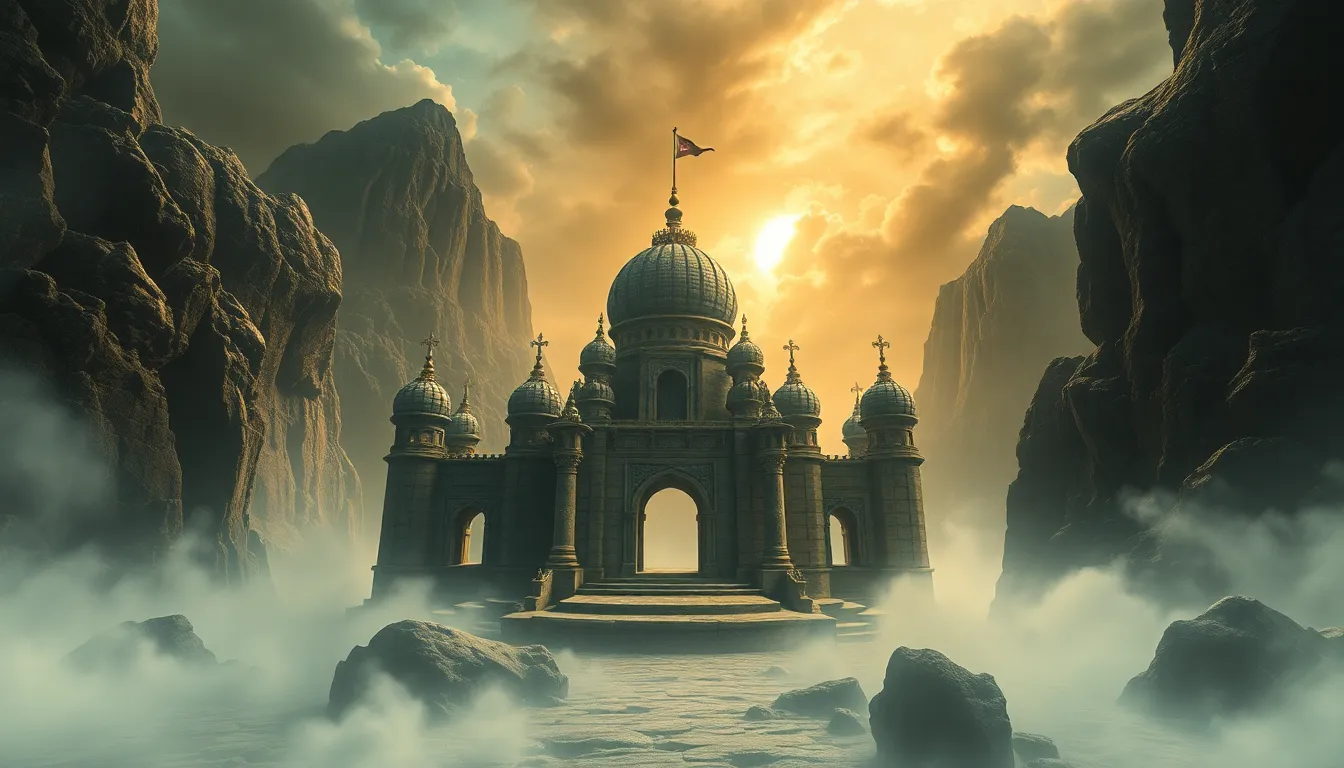
The Enigmatic Elves: Inside the Legendary Kingdom of Avalon
Introduction to Avalon: The Mythical Realm
Avalon is a name that resonates deeply within the realms of mythology and literature, often depicted as a utopian paradise shrouded in mystery. This legendary island is most famously associated with Arthurian legends, where it serves as the final resting place of King Arthur and a sanctuary for various other mythical figures. Over time, Avalon has transcended its origins to become a symbol of otherworldly beauty and enchantment, embodying the ideals of peace, magic, and wisdom.
The significance of Avalon can be observed in various cultures, where its portrayal often intertwines with themes of heroism, fate, and the supernatural. From the tales of Celtic folklore to modern fantasy adaptations, Avalon remains an enduring element of the mythic landscape, captivating the imagination of countless generations.
Origins of Elven Lore: A Historical Perspective
The origins of elves can be traced back to ancient folklore, where they were often associated with nature, the supernatural, and the ethereal. In Norse mythology, elves (or “álfar”) were considered to be beings of light and fertility, closely linked to the gods and nature itself. Conversely, in Celtic traditions, elves were depicted as magical creatures that interacted with humans, sometimes benevolent, sometimes mischievous.
Across different cultures, elven myths exhibit fascinating similarities and differences:
- Norse Elves: Divided into light and dark elves, associated with various realms and powers.
- Celtic Fairies: Often viewed as nature spirits, guardians of the earth, with roles in both healing and trickery.
- Germanic Folklore: Elves were often seen as spirits of the woods, inspiring tales of enchantment and wonder.
These diverse representations highlight the rich tapestry of elven lore, evolving over centuries while retaining core attributes of mystique and connection to the natural world.
The Ethereal Nature of Elves: Characteristics and Traits
Elves are commonly depicted with a set of distinctive physical and magical attributes that set them apart from humans and other mythical creatures. They are often characterized by their:
- Graceful, slender physiques and pointed ears.
- Longevity, with some elves living for millennia.
- Deep connection to nature, often possessing the ability to communicate with animals and plants.
- Magical abilities that can range from healing powers to elemental control.
Additionally, elves are categorized into various types, each with unique traits:
- High Elves: Noble and wise, often possessing advanced magical abilities and strong leadership qualities.
- Wood Elves: More attuned to the forests, known for their agility, stealth, and natural affinity for archery.
- Dark Elves: Sometimes portrayed as malevolent, often associated with shadowy realms and darker magic.
The Kingdom of Avalon: Geography and Environment
Avalon is often described as a lush, verdant paradise, filled with breathtaking landscapes, enchanting flora, and mystical fauna. The kingdom is said to be hidden from the human eye, accessible only to those deemed worthy. Key features of Avalon’s geography include:
- Majestic mountains that touch the sky and are said to house ancient secrets.
- Crystal-clear lakes and rivers that embody purity and tranquility.
- Flourishing forests with trees that are centuries old, home to myriad magical creatures.
The significance of nature in Avalon is profound; it is not merely a backdrop but a living entity intertwined with the magic of the elves. The harmony between the elves and their environment underscores their role as guardians of nature.
Society and Culture of Avalon’s Elves
The society of Avalon’s elves is structured around community, cooperation, and respect for nature. Their governance is often depicted as wise and benevolent, with leaders chosen for their wisdom rather than power. Key aspects of elven culture include:
- Social Structure: Elven communities are typically egalitarian, with an emphasis on collective decision-making.
- Arts and Music: Elves are renowned for their artistry, creating beautiful music, intricate crafts, and stunning artwork that reflects their connection to the natural world.
- Craftsmanship: Elven craftsmanship is legendary, particularly in creating weapons, jewelry, and magical artifacts that often possess their own enchantments.
Magic and Mysticism: The Role of Sorcery in Avalon
Magic is an integral part of elven life in Avalon, serving as both a tool and a means of connection to the universe. Elven magic is often derived from the natural world, harnessing the energies of the earth, plants, and celestial bodies.
Notable magical artifacts in elven lore include:
- The Sword Excalibur: Associated with King Arthur, said to be forged in Avalon and imbued with magical properties.
- The Cauldron of Rebirth: A symbol of life and renewal, believed to have the power to restore life.
- Elven Rings: Often depicted as powerful items that grant their bearers enhanced abilities or wisdom.
Legends and Heroes: Iconic Figures of Avalon
Avalon’s legends are populated with iconic figures who embody the ideals and struggles of the elven race. Notable characters include:
- Morgana: Often portrayed as a complex figure, Morgana embodies both the light and dark aspects of elven magic.
- Elrond: A wise leader and healer, Elrond is known for his role in the Fellowship of the Ring and his deep connection to the history of Middle-earth.
- Vivienne: Also known as the Lady of the Lake, she is a pivotal figure in Arthurian legend, often associated with enchantment and the mystical powers of Avalon.
Avalon in Modern Culture: Influence and Adaptations
Avalon and its elves have made significant appearances in modern media, influencing countless adaptations across various genres. From films to books and video games, the allure of Avalon continues to thrive:
- Film: Movies like “Excalibur” and “The Sword in the Stone” portray the legends of Avalon through cinematic storytelling.
- Literature: Authors like Marion Zimmer Bradley in “The Mists of Avalon” have reimagined the tales, focusing on the feminine aspect of the legends.
- Games: Video games such as “The Elder Scrolls” series incorporate elements of Avalon and elven lore, allowing players to engage with these mythical narratives.
The Enigma of Elven Existence: Myths vs. Reality
The enigma surrounding elves and their existence is a topic of intrigue and fascination. Many myths and misconceptions persist, such as the idea that all elves are benevolent or that they live in a constant state of bliss. In reality, elven stories often reflect the complexities of their nature:
- Elves can be both protectors and tricksters, exhibiting a duality that adds depth to their character.
- Not all elves possess the same magical abilities; their powers can vary significantly based on their lineage and environment.
Conclusion: The Legacy of Avalon and Its Elves
The legacy of Avalon and its elves endures as a testament to the power of myth and storytelling. These narratives continue to captivate our imaginations, serving as a bridge between the past and the present. Avalon symbolizes not only a magical realm but also the timeless themes of hope, wisdom, and the profound connection between humanity and nature.
As we explore contemporary adaptations and engage with these age-old stories, the allure of the elven