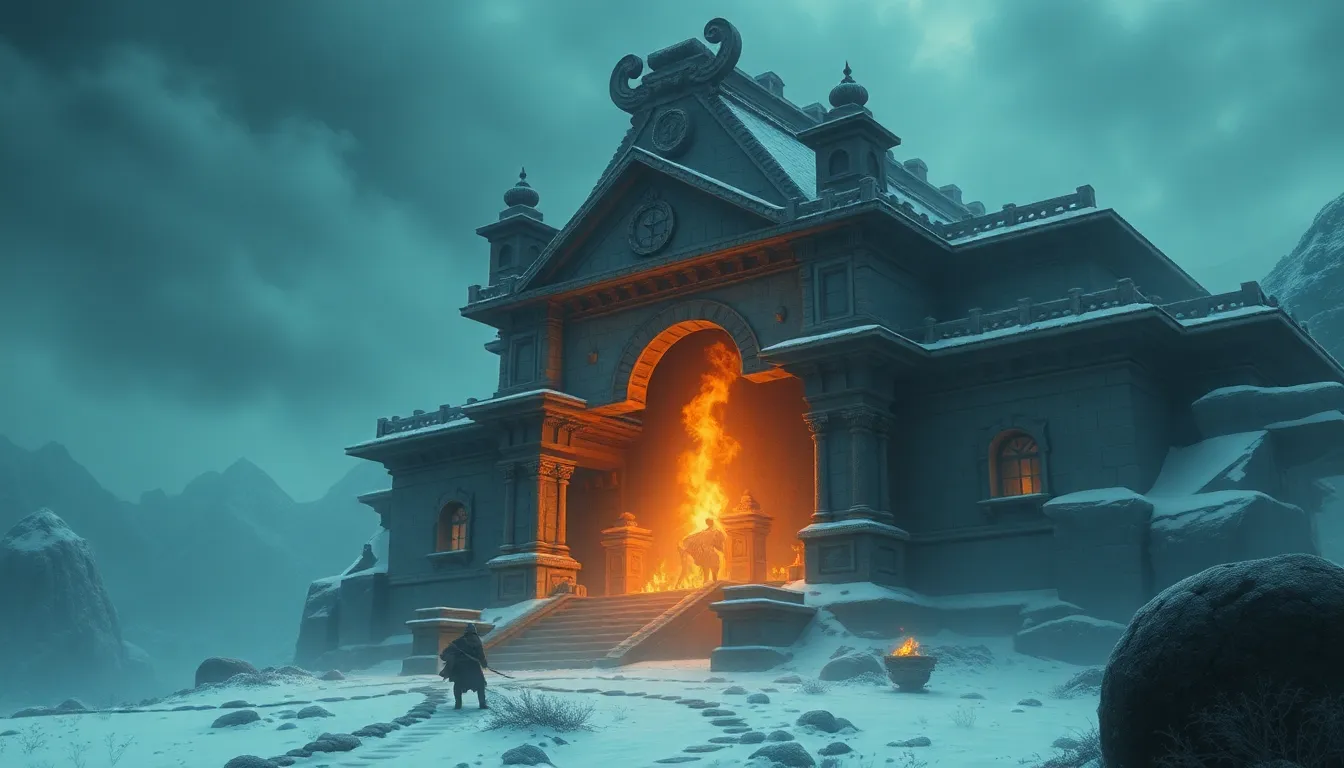
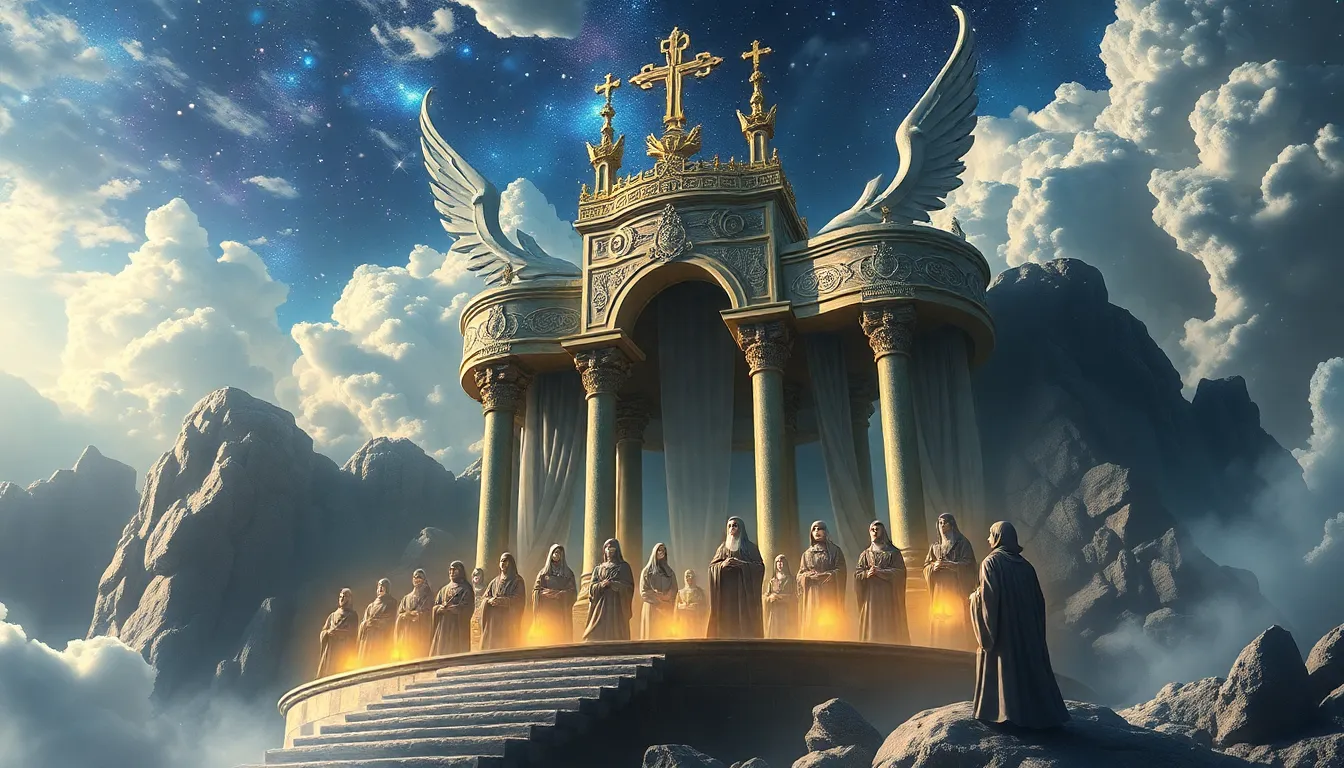
The Fabled Kingdom of Nibelungen: Myths of Treasure and Betrayal
I. Introduction to the Nibelungen Mythology
The Nibelungen mythology is a rich tapestry of tales woven from the threads of Germanic folklore, encapsulating themes of heroism, treachery, and the eternal quest for treasure. Central to this mythology is the Nibelungen Saga, a narrative that explores the complexities of human ambition and the inevitable consequences of betrayal.
Historically, the Nibelungen Saga has held a significant place in Germanic culture, reflecting the values and beliefs of the societies that propagated it. The allure of treasure and the themes of betrayal resonate deeply within these stories, captivating audiences for centuries.
II. Origins of the Nibelungen Legend
The origins of the Nibelungen legend can be traced back to early sources that have shaped its narrative structure and character development.
A. Early sources and texts
- The Poetic Edda: A collection of Old Norse poems that includes some of the earliest references to the Nibelungen myth, providing insights into its foundational elements.
- The Nibelungenlied: A Middle High German epic poem that serves as the most comprehensive account of the saga, detailing the lives of its central characters and their fateful encounters.
B. Influence of Norse mythology
The Nibelungen Saga is heavily influenced by Norse mythology, interweaving elements such as heroic quests, fateful encounters, and the presence of gods and supernatural beings. This relationship underscores the common cultural heritage shared among Germanic tribes.
C. Evolution of the tale through oral tradition
As the saga was passed down through generations, it evolved through oral tradition, adapting to the changing social and cultural contexts of its tellers. This evolution has led to various interpretations and adaptations, enriching the narrative and its themes.
III. Key Characters in the Nibelungen Saga
The Nibelungen Saga is populated by a host of characters, each contributing to the intricate web of relationships and conflicts that drive the narrative.
A. Siegfried: The Hero and His Legacy
Siegfried is the quintessential hero of the saga, celebrated for his bravery and strength. His quest for glory and treasure, however, sets off a chain of events that leads to tragedy.
B. Kriemhild: The Tragic Figure
Kriemhild, Siegfried’s wife, is depicted as a tragic figure whose longing for revenge ultimately leads to her downfall. Her character embodies the themes of love and betrayal, making her one of the saga’s most compelling figures.
C. Hagen: The Archetype of Betrayal
Hagen serves as the archetypal villain, whose betrayal of Siegfried catalyzes the saga’s tragic events. His cunning and ruthlessness exemplify the darker aspects of human nature.
D. Other notable characters and their roles
In addition to Siegfried, Kriemhild, and Hagen, the saga features a cast of characters, including kings, queens, and warriors, each contributing to the unfolding drama of love, betrayal, and vengeance.
IV. The Quest for Treasure: The Nibelung Hoard
At the heart of the Nibelungen Saga is the legendary Nibelung treasure, a symbol of wealth and power that drives the actions of its characters.
A. Description of the Nibelung treasure
The Nibelung treasure is often described as a vast hoard of gold and precious gems, linked to the fate of its possessors. Its allure is irresistible, drawing characters into a web of greed and conflict.
B. The significance of wealth in the saga
Wealth in the Nibelungen Saga represents not only material riches but also status, power, and influence. The quest for treasure often leads to moral decay and destruction, highlighting the dangers of unchecked ambition.
C. The curse associated with the treasure
The treasure is also cursed, a motif that serves as a warning about the perils of greed. This curse manifests in the tragic fates of those who seek it, reinforcing the saga’s themes of betrayal and revenge.
V. The Themes of Betrayal and Revenge
Central to the Nibelungen narrative are the themes of betrayal and revenge, which drive the plot and shape the characters’ destinies.
A. The role of betrayal in the narrative
Betrayal is a recurring motif, manifesting in various forms throughout the saga. It serves as a catalyst for conflict and sets the stage for the tragic events that unfold.
B. Analysis of key betrayal events
- The betrayal of Siegfried by Hagen, leading to his untimely death.
- Kriemhild’s betrayal of her own family in her quest for revenge.
C. The cycle of vengeance and its consequences
The cycle of vengeance that ensues from these betrayals creates a tragic chain reaction, resulting in widespread destruction and loss. This cycle emphasizes the futility of revenge and the human cost of betrayal.
VI. The Nibelungenlied: A Literary Analysis
The Nibelungenlied stands as a monumental work of literature, encapsulating the saga’s themes and character complexities.
A. Structure and themes of the poem
The poem is divided into two parts: the first detailing Siegfried’s rise and tragic fall, and the second focusing on Kriemhild’s revenge. This structure highlights the transformation of themes from heroism to tragedy.
B. Symbolism within the narrative
Symbolism plays a crucial role in the Nibelungenlied, with elements such as the treasure, the sword, and the dragon representing deeper meanings related to human desire, power, and the consequences of ambition.
C. The poem’s impact on later literature
The Nibelungenlied has influenced countless works of literature, inspiring adaptations in various forms, from operas to modern novels, and solidifying its place in the canon of epic storytelling.
VII. Cultural Impact and Adaptations
The cultural impact of the Nibelungen saga extends far beyond its origins, permeating various art forms and modern interpretations.
A. Influence on operas, films, and modern literature
Composers like Richard Wagner have drawn upon the Nibelungen myth for operatic adaptations, while filmmakers continue to explore its themes in contemporary cinema.
B. The portrayal of Nibelungen in popular culture
Today, the Nibelungen characters and their stories are referenced in various media, reflecting the saga’s enduring relevance and popularity.
C. Comparisons to other epic tales (e.g., Beowulf, Arthurian legends)
The Nibelungen saga shares thematic and narrative similarities with other epic tales, such as Beowulf and the Arthurian legends, exploring the timeless themes of heroism, betrayal, and the quest for glory.
VIII. Historical and Archaeological Perspectives
Investigating the historical truth behind the Nibelungen legends reveals a fascinating intersection of myth and history.
A. Search for historical truth behind the legends
Scholars have long sought to identify the historical figures and events that may have inspired the Nibelungen saga, examining historical records and archaeological findings.
B. Archaeological findings related to the Nibelungen
Various archaeological discoveries, such as burial mounds and ancient artifacts, have been linked to the Nibelungen myths, providing tangible connections to the past.
C. The intersection of myth and history
The blending of myth and history in the Nibelungen saga exemplifies how cultural narratives evolve, reflecting both the realities of historical events and the imaginative interpretations of storytellers.
IX. Modern Interpretations of Nibelungen
Contemporary retellings of the Nibelungen saga continue to captivate audiences, highlighting its relevance in today’s society.
A. Contemporary retellings and adaptations
Modern authors and creators have reimagined the Nibelungen tale, infusing it with contemporary themes and perspectives, making it accessible to new generations.
B. The relevance of Nibelungen themes in today’s society
The themes of treasure and betrayal resonate in a world where ambition and desire often lead to moral dilemmas, prompting reflections on the human condition.
C. The ongoing fascination with treasure and betrayal
The allure of treasure, coupled with the complex dynamics of betrayal, continues to capture the imagination, inspiring stories that explore the