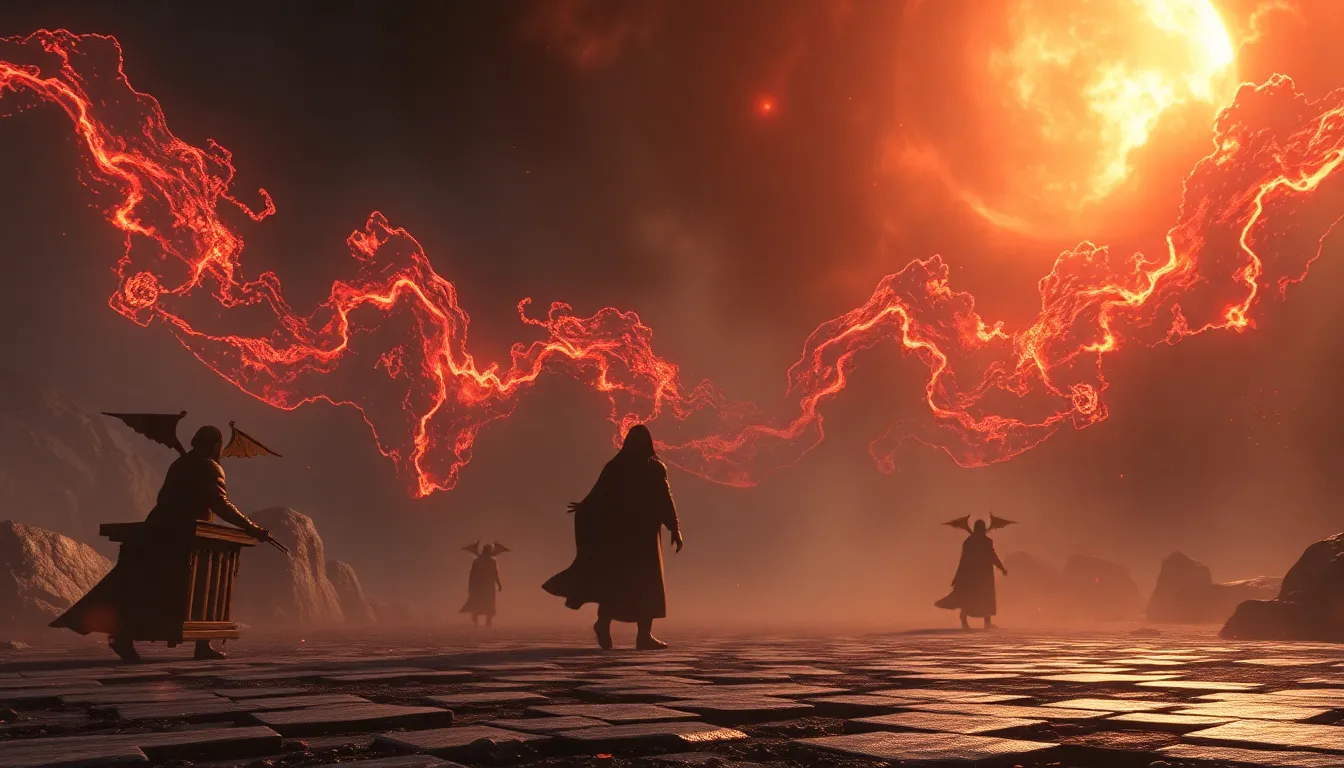
The Forgotten Quests: Myths That Time Left Behind
1. Introduction: The Allure of Forgotten Myths
Myths have always served as a rich tapestry of cultural narratives, weaving together the beliefs, values, and stories of different societies. They act as a lens through which we can understand the complexities of human experience and the world around us. Within this vast realm of mythology exists a category often overlooked: the “forgotten quests.” These are the stories and adventures that time has gradually erased from collective memory, yet they hold significant lessons and insights.
This article aims to explore these forgotten quests, shedding light on their significance in cultural history, their enduring themes, and how they continue to resonate in the modern world. Through this journey, we will uncover the narratives that have shaped civilizations and the lessons that remain relevant today.
2. The Nature of Myths: A Brief Historical Context
Myths can be defined as traditional stories, often involving supernatural beings or events, that explain natural phenomena or cultural practices. They serve to convey moral lessons, societal norms, and the human experience. Key characteristics of myths include:
- Symbolism: Myths often use symbols to represent complex ideas and emotions.
- Universal Themes: Common themes such as creation, destruction, love, and sacrifice are prevalent across different cultures.
- Oral Tradition: Many myths were passed down orally before being recorded, contributing to their evolution over time.
In ancient societies, myths were integral to understanding the world. They provided explanations for the unexplainable and established a sense of identity and belonging. As societies evolved, so did their myths, adapting to new realities and cultural shifts.
3. The Age of Exploration: Myths That Shaped Navigation
During the Age of Exploration, maritime myths played a crucial role in guiding sailors across uncharted waters. These myths often spoke of lost lands and civilizations, such as Atlantis and Lemuria, which captivated the imaginations of explorers and scholars alike.
These stories influenced real-world exploration in several ways:
- Inspiration for Exploration: Myths of lost lands spurred explorers to seek out new territories, believing they might uncover remnants of these ancient civilizations.
- Navigation Techniques: Maritime myths often included tales that conveyed practical knowledge about navigation and the dangers of the sea.
- Symbolic Representations: The allure of discovering a lost civilization symbolized the pursuit of knowledge and adventure.
The fascination with such myths continues to inspire modern explorations and serves as a reminder of humanity’s quest for understanding the unknown.
4. The Hero’s Journey: Forgotten Figures in Mythology
The concept of the hero’s journey, popularized by Joseph Campbell, outlines a universal pattern found in myths and stories across cultures. However, many lesser-known heroes have embarked on quests that are equally compelling. Here are a few examples:
- Gilgamesh: The Sumerian king’s quest for immortality explores themes of friendship, loss, and the human condition.
- Atalanta: A Greek heroine whose quest for independence and recognition challenges traditional gender roles.
- Rama: In the Indian epic Ramayana, Rama’s quest to rescue his wife Sita highlights the values of duty and righteousness.
These heroes, often overshadowed by more famous counterparts, impart essential lessons about perseverance, morality, and the complexity of human nature.
5. Cultural Overlaps: Common Themes in Forgotten Quests
Across various mythologies, certain themes recur, weaving a common thread in the fabric of human storytelling. Some of these themes include:
- The Search for Immortality: Many myths feature quests for eternal life, reflecting humanity’s fear of death and desire for legacy.
- Lost Civilizations: Stories of vanished societies, like Atlantis, explore the rise and fall of civilizations and their lessons.
- Divine Intervention: Myths often depict gods intervening in human affairs, emphasizing the relationship between the divine and mortal realms.
These themes resonate deeply, reflecting universal human experiences and struggles that transcend time and culture.
6. The Role of Nature: Myths Tied to the Environment
Many myths personify natural elements, creating a deep connection between culture and the environment. For example:
- The River God: Numerous cultures have deities representing rivers, emphasizing their life-giving properties and importance to agriculture.
- Mountain Spirits: Mountains often feature in myths as sacred places inhabited by gods or spirits, symbolizing strength and stability.
- Seasonal Myths: Many myths explain seasonal changes, reflecting the agricultural cycles crucial to ancient societies.
These myths often contain ancient environmental knowledge that underscores the importance of living in harmony with nature.
7. Rediscovering the Forgotten: The Impact of Modern Archeology
Modern archaeology has played a pivotal role in rediscovering forgotten myths, unearthing artifacts and writings that provide insights into ancient narratives. Technological advancements, such as satellite imagery and DNA analysis, have revolutionized our understanding of these stories. Key discoveries include:
- The Tomb of Tutankhamun: Artifacts found in this tomb have shed light on Egyptian mythology and belief systems.
- The City of Pompeii: The preservation of this city has revealed much about Roman life and the myths associated with it.
- Stonehenge: Ongoing studies of this ancient site continue to uncover its significance in prehistoric mythology.
These discoveries not only enrich our understanding of the past but also highlight the relevance of ancient myths in contemporary culture.
8. The Influence of Forgotten Myths on Literature and Art
Forgotten myths have significantly influenced literature and art throughout history. Many modern works draw inspiration from these ancient stories, demonstrating their timeless relevance. Examples include:
- The Lord of the Rings: J.R.R. Tolkien’s epic draws heavily on mythological themes of heroism and the battle between good and evil.
- Frida Kahlo’s Art: Kahlo often incorporated Mexican mythology into her work, exploring identity and culture.
- Neil Gaiman’s Works: Gaiman frequently adapts and reinterprets mythological tales, bringing them into contemporary contexts.
Through these adaptations, forgotten myths continue to shape the landscape of storytelling and artistic expression today.
9. Preservation of Myths: Oral Traditions and Modern Retellings
Oral traditions have been vital in preserving myths, allowing them to be passed down through generations. However, the challenge remains to keep these stories alive in a rapidly changing world. Contemporary adaptations, such as:
- Films: Movies often retell ancient myths, making them accessible to new audiences.
- Literature: Modern authors reinterpret myths, infusing them with contemporary themes and issues.
- Digital Media: Podcasts and online platforms are emerging as new avenues for sharing and exploring myths.
Despite these efforts, the preservation of lesser-known myths faces challenges, including globalization and cultural homogenization, threatening the diversity of mythological narratives.
10. Conclusion: The Lasting Legacy of Forgotten Quests
As we reflect on the importance of forgotten quests, it becomes clear that these myths offer invaluable insights into the human experience. They remind us of our shared history, the lessons learned, and the values we hold dear. By rediscovering and sharing these narratives, we not only honor our ancestors but also enrich our understanding of ourselves and the world around us.
In a time when the pace of life often overshadows our connection to cultural heritage, revisiting these forgotten quests can inspire a deeper appreciation for the myths that shape our identities and futures.