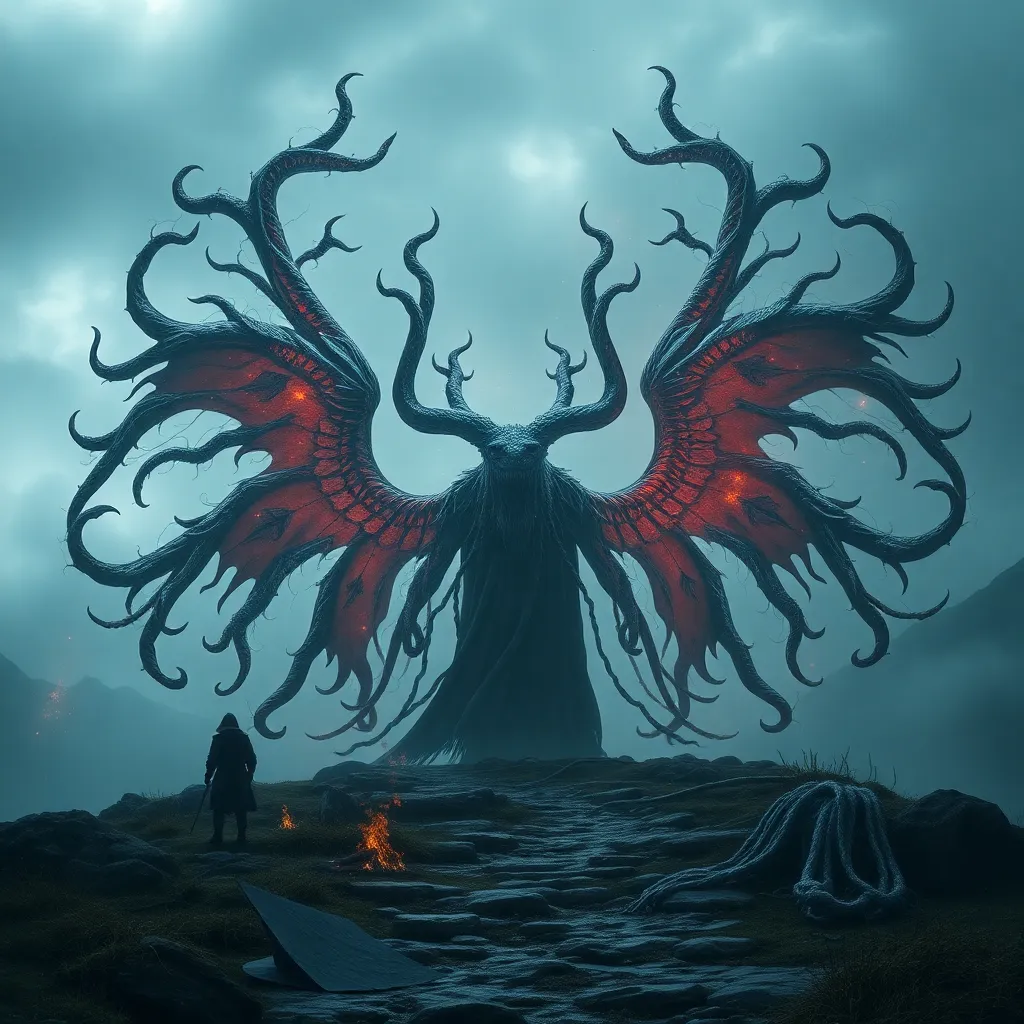
The Huldra’s Legacy: Understanding the Impact on Norwegian Culture
I. Introduction
The Huldra, a captivating figure in Norwegian folklore, has enchanted generations with her mysterious beauty and connection to nature. Often depicted as a beautiful woman with a cow’s tail, the Huldra embodies a complex interplay of seduction and danger, representing the untamed aspects of the natural world. This myth not only reflects the values and beliefs of the Norwegian people but also serves as a vital component of their cultural identity.
Folklore plays a significant role in shaping cultural narratives, providing insight into the moral frameworks, fears, and aspirations of a society. The Huldra myth stands as a testament to how stories can influence cultural practices and social norms. This article aims to explore the origins, significance, and ongoing influence of the Huldra in Norwegian culture, highlighting how this mythical figure continues to resonate in contemporary society.
II. The Origins of the Huldra
A. Historical context and geographical roots
The Huldra’s origins can be traced back to the rural landscapes of Norway, where she was believed to inhabit the forests and mountains. Her myth likely emerged during a time when agrarian societies were closely tied to the rhythms of nature, and the supernatural was often invoked to explain the mysteries of the wilderness.
B. Evolution of the Huldra myth over time
As Norway transitioned from pagan beliefs to Christianity, the Huldra myth evolved, incorporating new elements while retaining its core themes. Initially a nature spirit, the Huldra became associated with seduction and temptation, reflecting societal attitudes towards women and their roles in both nature and society.
C. Key characteristics and traits of the Huldra
The Huldra is often described as a stunningly beautiful woman with long hair and a cow’s tail, a feature that reveals her true nature as a supernatural being. She is known for her enchanting voice and ability to lure men into the wilderness, where her intentions can shift between benevolence and malevolence, depending on how she is treated.
III. The Huldra in Norwegian Folklore
A. The Huldra’s role in traditional stories and legends
The Huldra appears in numerous traditional stories, often as a cautionary figure. Her tales warn of the dangers of straying too far into the wild or succumbing to temptation. In many legends, men who encounter the Huldra are enchanted by her beauty but must navigate her whims carefully, as failing to do so can lead to dire consequences.
B. Symbolism and meaning behind the Huldra figure
The Huldra symbolizes the duality of nature—its beauty and danger. She represents the untamed aspects of the natural world, serving as a reminder of the respect and caution required when engaging with nature. Furthermore, the Huldra epitomizes femininity, embodying both nurturing and perilous traits that challenge traditional gender roles.
C. Variations of the Huldra myth across different regions
While the Huldra is primarily associated with Norway, variations of her myth exist in other Scandinavian countries, such as Sweden and Denmark. These regional differences highlight the adaptability of the Huldra myth while showcasing the common cultural threads that bind these nations together.
IV. The Huldra in Art and Literature
A. Depictions of the Huldra in Norwegian literature
The Huldra has inspired numerous literary works, ranging from folk tales to modern novels. Authors have drawn on her mystique to explore themes of love, loss, and the intersection between humanity and nature. Her portrayal often reflects societal attitudes towards women and nature, making her a rich subject for literary analysis.
B. Influence on visual arts and modern media
The image of the Huldra has also permeated visual arts, inspiring painters, illustrators, and contemporary artists. Her ethereal beauty and connection to the natural world make her a compelling subject in various artistic expressions. In modern media, the Huldra has appeared in films, television shows, and video games, bringing her legend to new audiences.
C. Contemporary interpretations and adaptations of the Huldra
Today, the Huldra is reinterpreted in ways that resonate with contemporary issues. Modern adaptations often emphasize themes of environmentalism and women’s empowerment, showcasing her as a protector of nature and a symbol of feminine strength. These reinterpretations highlight the Huldra’s versatility as a cultural icon.
V. The Huldra’s Influence on Norwegian Identity
A. The Huldra as a symbol of nature and femininity
The Huldra is a powerful symbol of both nature and femininity in Norwegian culture. Her connection to the wilderness emphasizes the importance of preserving natural landscapes, while her duality challenges traditional notions of femininity, showcasing strength alongside beauty.
B. Connection to national pride and cultural heritage
As a figure deeply rooted in Norwegian folklore, the Huldra contributes to national pride and cultural heritage. She represents the unique narratives that define Norwegian identity, reminding people of their historical relationship with the land and the stories that shape their community.
C. Representation in festivals and celebrations
The Huldra is celebrated in various festivals across Norway, where her legend is brought to life through storytelling, music, and dance. These events foster a sense of community and connection to cultural heritage, allowing both locals and visitors to engage with the myth in meaningful ways.
VI. The Huldra in Modern Norwegian Society
A. The Huldra in contemporary conversations about folklore
In today’s society, the Huldra remains a topic of interest in discussions about folklore and its relevance. Scholars, artists, and cultural enthusiasts explore her significance in understanding contemporary issues, such as gender dynamics and environmentalism.
B. Role in tourism and cultural preservation
The Huldra has become a focal point for tourism in Norway, attracting visitors intrigued by her legend. Tours and exhibitions highlight her story, contributing to cultural preservation and education about Norway’s rich folklore.
C. The Huldra’s influence on environmentalism and nature conservation
In an era marked by environmental challenges, the Huldra’s association with nature resonates strongly with conservation efforts. She serves as a reminder of the intrinsic value of the natural world, encouraging sustainable practices and a deeper connection to the environment.
VII. Comparisons with Similar Mythological Figures
A. The Huldra compared to other Nordic and European myths
The Huldra shares similarities with other mythological figures across Nordic and European folklore, such as the Selkie in Scottish tales and the Dryads in Greek mythology. These figures often embody themes of transformation, seduction, and the relationship between humanity and nature.
B. Common themes and lessons from various folklore traditions
Across different cultures, folklore often conveys universal themes such as the struggle between humanity and nature, the consequences of desire, and the importance of respecting natural boundaries. The Huldra’s stories echo these themes, highlighting her role as both a guide and a cautionary figure.
C. The universal appeal of mythological figures like the Huldra
The enduring appeal of figures like the Huldra lies in their complexity and the rich symbolism they embody. These characters resonate across cultures and time periods, reflecting shared human experiences and emotions that transcend geographic boundaries.
VIII. Conclusion
In summary, the Huldra is a significant figure in Norwegian culture, representing the intricate relationship between humanity and nature. Her legacy is deeply woven into the fabric of Norwegian identity, illustrating the importance of folklore in shaping cultural narratives and societal values. As we navigate modern challenges, the lessons imparted by the Huldra continue to resonate, reminding us of the need to honor and preserve our natural world.
The ongoing relevance of folklore, exemplified by the Huldra, serves as a bridge between past and present, highlighting the importance of cultural heritage in fostering a sense of community and identity. Preserving the legacy of the Huldra not only enriches our understanding of Norwegian culture but also encourages a deeper appreciation for the stories that define us all.</p