The Mountain of the Sun: Myths of Light and Life in High Altitudes
Introduction: The Allure of High Altitudes
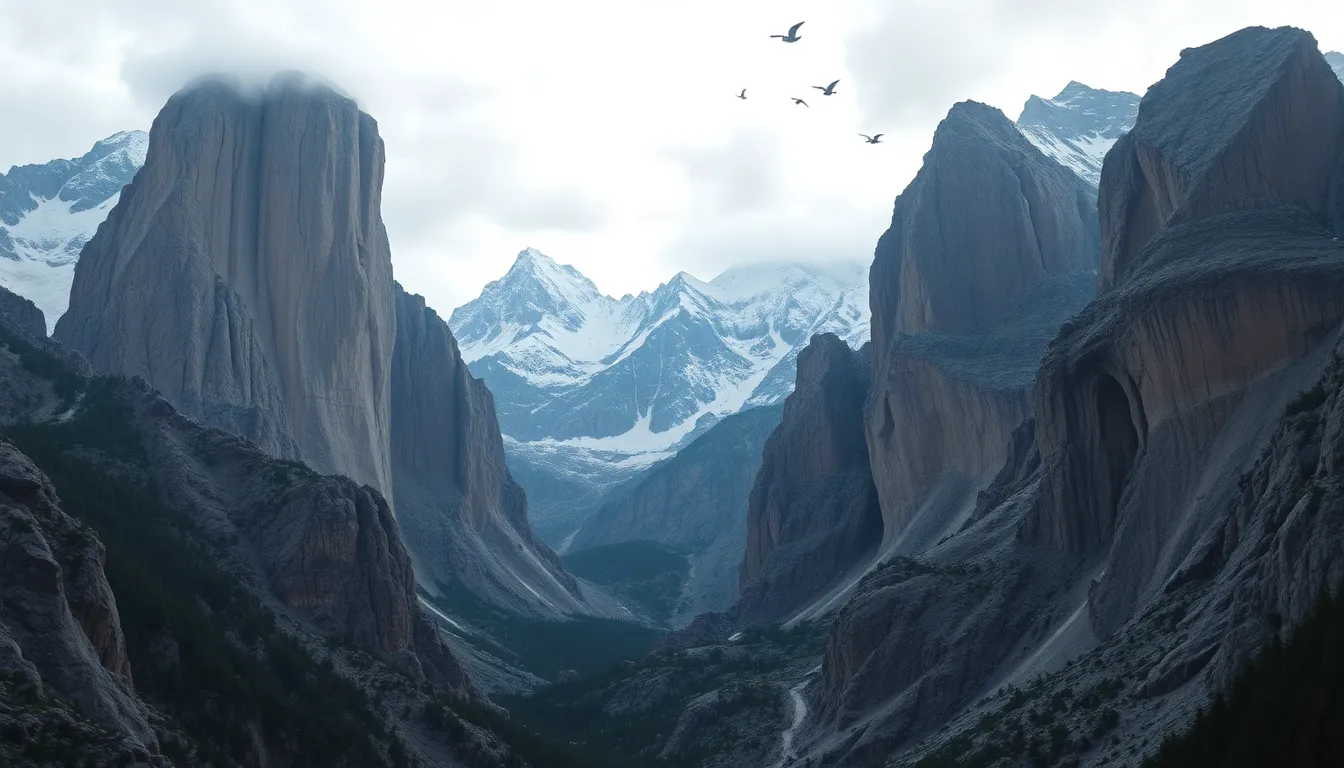
High-altitude environments, characterized by their breathtaking landscapes and extreme conditions, have long captivated the human imagination. These regions, often shrouded in clouds and mystery, serve as more than mere backdrops for human activity; they are integral to the myths and legends that shape the cultures of those who inhabit them. Among these towering peaks lies the concept of the “Mountain of the Sun,” a symbol rich with meaning and significance. Myths and legends play a crucial role in helping us understand how cultures interpret their surroundings, particularly in such awe-inspiring places.
Geographical and Cultural Significance of High Altitudes
High-altitude regions are found across the globe, with some of the most notable being:
- The Andes: Stretching across South America, home to the Incan civilization.
- The Himalayas: Towering peaks that hold spiritual significance for Hindu and Buddhist cultures.
- The Rockies: A prominent mountain range in North America, rich in indigenous stories.
These areas are not just geographical features; they are woven into the fabric of the cultures that thrive there. For instance, the Andes are deeply embedded in Incan mythology, where mountains are often personified as gods. The connection between geography and local mythologies illustrates how natural landscapes influence cultural narratives.
The Symbolism of Light in High-Altitude Myths
Light holds a profound place in the mythologies of high-altitude cultures. It often symbolizes:
- Life: Many agricultural societies depend on sunlight for crop growth, making it a vital force for sustenance.
- Spirituality: Light is frequently associated with the divine, representing enlightenment and purity.
- Hope: In challenging environments, the sun symbolizes resilience and the promise of a new day.
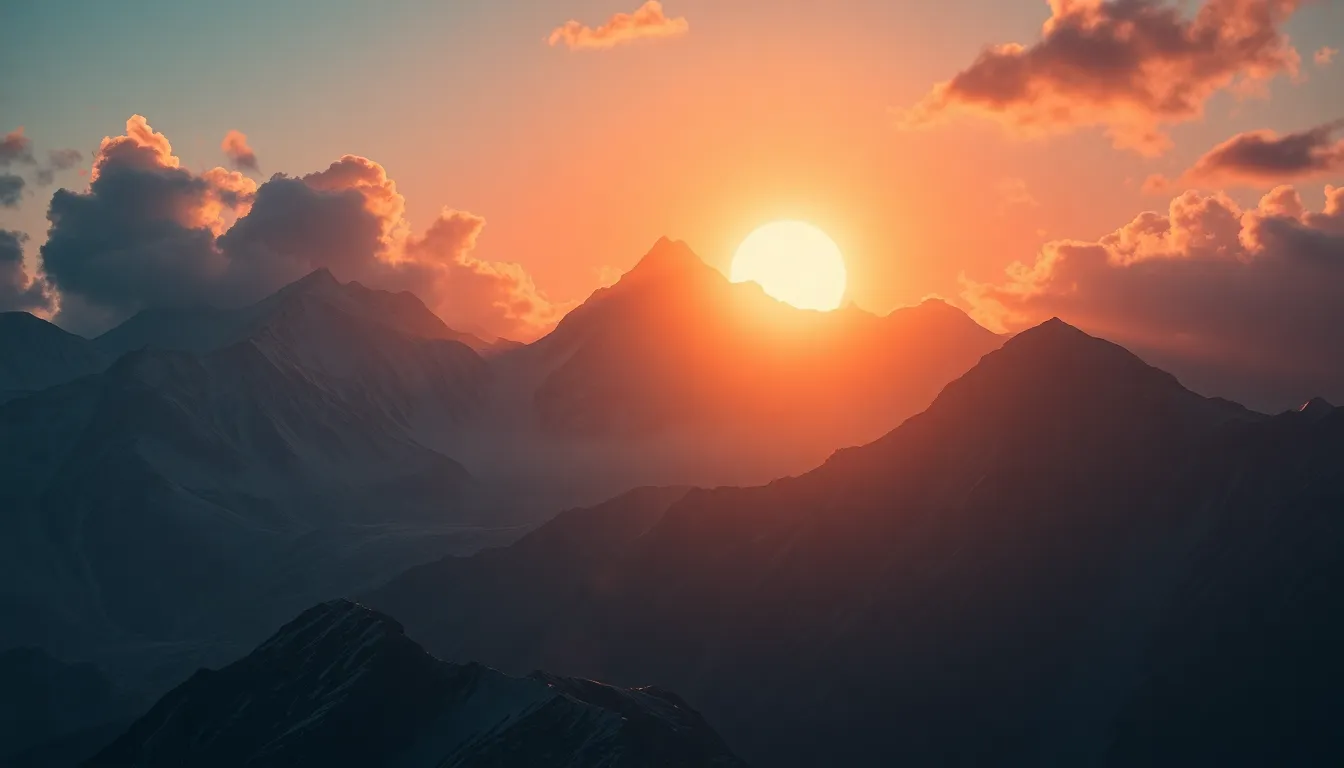
In various cultures, the sun is not just a celestial body but a powerful deity, revered and celebrated through rituals and stories. Myths surrounding the sun reflect the intimate relationship between light and life, emphasizing its role as a sustainer of existence.
Myths of Creation and Sun Deities in High Altitudes
Creation myths often intertwine mountains and the sun, depicting them as foundational elements of existence. Some notable sun deities include:
- Inti: The Incan sun god, revered as a giver of life and agriculture.
- Surya: In Hindu mythology, the sun god is a symbol of health and prosperity.
- Amaterasu: In Shinto belief, the Japanese sun goddess embodies light and fertility.
These deities not only shape cultural identities but also serve as symbols of hope and renewal, illustrating how ancient stories continue to resonate in contemporary beliefs.
Legends of the Mountain of the Sun: Case Studies
Examining specific legends can reveal the diverse ways in which cultures interpret the “Mountain of the Sun.” For instance:
- The Incan Legend: The Incas believed that their first emperor, Manco Cápac, was sent by Inti to establish civilization.
- Tibetan Myths: In Tibetan culture, sacred mountains are seen as embodiments of spiritual beings, where Mount Kailash is considered the abode of the god Shiva.
Comparative analysis of these legends highlights common themes such as creation, divinity, and the sacredness of nature. Storytelling serves as a vital tool for preserving these rich cultural heritages, passing down wisdom through generations.
The Connection Between High Altitude and Spirituality
High altitudes are often perceived as sacred spaces, fostering spiritual practices that connect the earthly with the divine. Rituals performed at these elevations include:
- Pilgrimages: Many cultures undertake journeys to sacred mountains as acts of devotion.
- Offerings: Rituals involving offerings to mountain deities are common, reflecting respect for nature.
- Meditation: The serene environment encourages introspection and spiritual growth.
The impact of altitude on physical and spiritual experiences is significant; the thin air and breathtaking views often lead to profound moments of clarity and connection with the universe.
The Influence of Climate and Environment on Myths
High-altitude environments profoundly shape cultural narratives. The harsh realities of life in these regions influence the myths that emerge. For example:
- Adaptation: Myths evolve as communities adapt to changing climates and conditions.
- Climate Change: Modern challenges prompt new interpretations of traditional stories, as communities seek to understand their place in a rapidly changing world.
Case studies illustrate how myths reflect the interplay between environmental shifts and cultural narratives, demonstrating resilience in the face of adversity.
Modern Interpretations of High-Altitude Myths
Contemporary society offers fresh perspectives on high-altitude myths. The impact of globalization has led to:
- Syncretism: Blending traditional beliefs with modern values, creating new cultural expressions.
- Artistic Representations: Literature and media increasingly draw on high-altitude myths, reshaping their meanings.
These reinterpretations highlight the enduring relevance of these ancient stories in today’s world.
The Role of Myths in Environmental Stewardship
Myths often serve as powerful motivators for environmental stewardship. They inspire communities to:
- Conserve Nature: Stories that emphasize the sacredness of nature encourage sustainable practices.
- Advocate for Preservation: Myths can galvanize collective action for environmental justice.
Case studies demonstrate how communities leverage their myths to advocate for the preservation of their natural landscapes, emphasizing the importance of storytelling in fostering respect for the environment.
Conclusion: The Enduring Legacy of the Mountain of the Sun
The myths surrounding the “Mountain of the Sun” encapsulate the intricate relationship between high-altitude environments and human culture. These stories, rich in symbolism and meaning, continue to resonate, shaping identities and inspiring generations. As we navigate the challenges of the modern world, the lessons embedded in these myths remind us of our connection to nature and the enduring power of storytelling.