The Myth of the Isle of the Gods: Olympus in Ancient Greece
1. Introduction to Mount Olympus: The Divine Abode
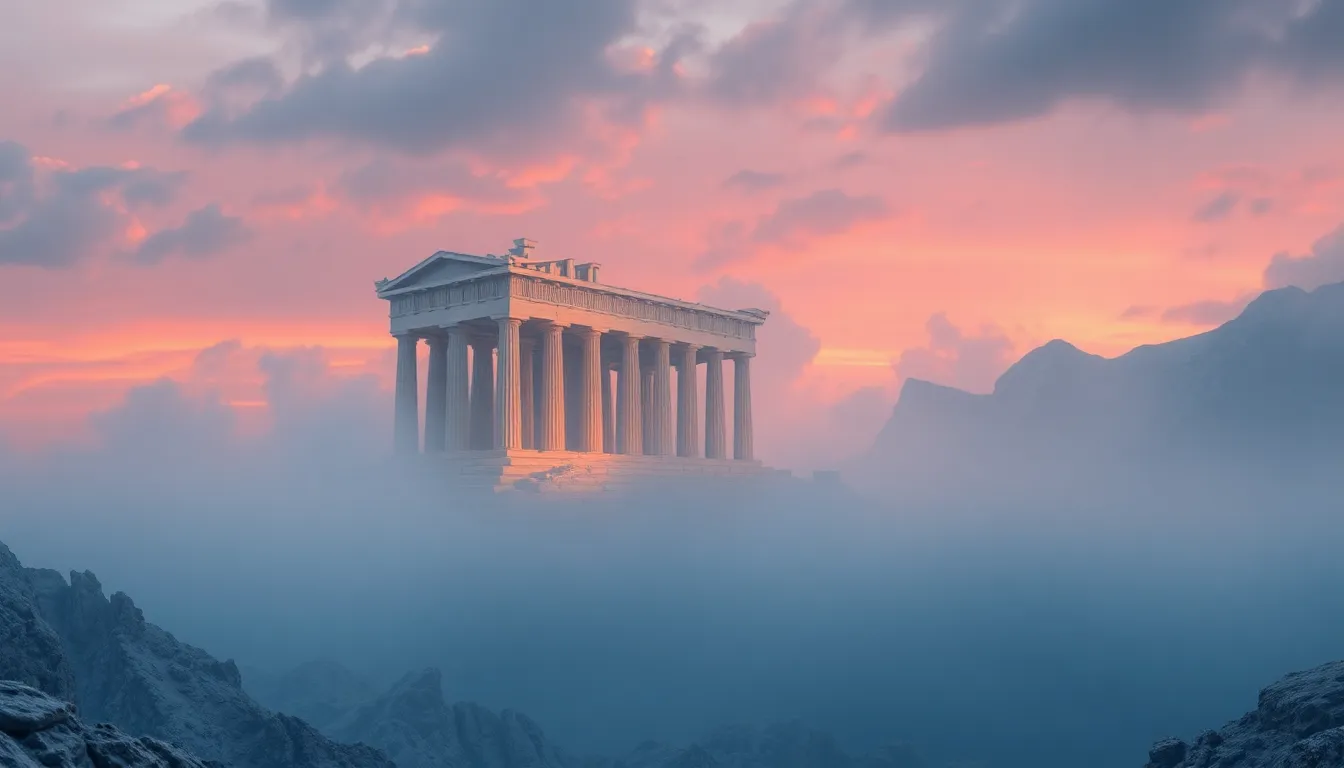
Mount Olympus, towering majestically over the landscape of Greece, is more than just a geographical feature; it is the mythical home of the gods in ancient Greek mythology. Known for its towering peaks and ethereal beauty, Olympus has captured the imagination of countless generations. In ancient Greek culture, it was considered the dwelling place of the twelve Olympian gods, who were believed to govern all aspects of human life and the natural world.
The cultural significance of Mount Olympus in ancient Greece cannot be overstated. It was a symbol of divine authority, a place where mortals could aspire to reach through their own deeds and virtues. The mountain’s prominence in mythology reflects the values, beliefs, and aspirations of the ancient Greek people.
2. Origins of the Myth: How Olympus Became the Home of the Gods
The myth of Olympus as the home of the gods has its roots in various creation myths and ancient narratives. According to these myths, after the defeat of the Titans by the Olympian gods, Zeus and his siblings ascended to Olympus, establishing it as their divine abode. This transition marked a significant shift in the pantheon of deities, moving from the earlier, more chaotic Titans to the more organized and anthropomorphic Olympian gods.
The stories surrounding Olympus often highlight themes of power, conflict, and the quest for supremacy among the gods, reflecting the tumultuous nature of the early universe as envisioned by the Greeks.
3. The Pantheon of Olympian Gods: Who Resided on Olympus?
The Olympian gods are a group of twelve deities who resided on Mount Olympus, each with distinct personalities, powers, and domains. The major Olympian gods include:
- Zeus: The king of the gods, god of the sky and thunder.
- Hera: Queen of the gods, goddess of marriage and family.
- Poseidon: God of the sea, earthquakes, and horses.
- Athena: Goddess of wisdom, warfare, and craftsmanship.
- Apollo: God of the sun, music, and prophecy.
- Artemis: Goddess of the hunt and the moon.
- Aphrodite: Goddess of love and beauty.
- Ares: God of war.
- Hephaestus: God of fire and craftsmanship.
- Demeter: Goddess of the harvest and agriculture.
- Dionysus: God of wine and festivity.
- Hermes: Messenger of the gods, god of commerce and thieves.
The relationships among these deities were complex, often characterized by rivalry, affection, and intrigue. Zeus, as the chief deity, held sway over the other gods, but conflicts and alliances were common, leading to a rich tapestry of myths and stories.
4. Cultural Significance of Olympus in Ancient Greek Religion
Mount Olympus was not just a mythical location; it played a vital role in ancient Greek religion and societal values. The Greeks held numerous rituals and festivals dedicated to the Olympian gods, with the most notable being the Olympic Games, which honored Zeus and showcased physical prowess and competition.
Key aspects of worship included:
- Animal sacrifices during religious festivals.
- Prayers and offerings made to gods at temples and altars.
- Mythological reenactments celebrating divine stories.
Olympus stood as a symbol of Greek identity, representing ideals such as honor, strength, and the pursuit of excellence. The gods were seen as protectors of the city-states, and their favor was sought through various forms of worship.
5. Literary References to Olympus: Analyzing Ancient Texts
Olympus is prominently featured in the works of ancient poets and writers, with Homer’s “Iliad” and Hesiod’s “Theogony” being two of the most significant texts. In the “Iliad,” the gods frequently intervene in human affairs, residing in Olympus and observing the Trojan War from above. Their interactions with mortals reveal their personalities and the dynamics of divine influence.
Hesiod’s “Theogony” provides insights into the genealogy of the gods and the establishment of Olympus as their home. This text outlines the rise of Zeus and the Olympians, detailing their origins and relationships.
6. Olympus vs. Other Mythical Locations: A Comparative Analysis
Mount Olympus stands in contrast to other significant mythical locations in Greek mythology, such as Tartarus and the Elysian Fields. While Olympus represents the heights of divine power and bliss, Tartarus symbolizes the depths of punishment and despair, a place where the defeated Titans were imprisoned.
The Elysian Fields, on the other hand, were a paradise for the souls of the virtuous, a place of peace and happiness after death. These locations reflect the dualities in Greek mythology—heaven and hell, reward and punishment, the divine and the mortal.
7. The Legacy of Olympus in Art and Architecture
The influence of Olympus extends beyond literature into the realms of art and architecture. Ancient Greek artists frequently depicted the gods and scenes from Olympus, capturing their grandeur and divine attributes. Notable artistic representations include:
- Statues of individual gods, such as the famous statue of Zeus at Olympia.
- Frescoes and pottery illustrating mythological scenes.
- Temples built in honor of the Olympian gods, such as the Parthenon dedicated to Athena.
The architectural significance of these temples lies in their design, which often incorporated columns and intricate sculptures, reflecting the ideals of beauty and harmony central to Greek culture.
8. The Modern Interpretation of Olympus: From Myth to Symbol
In contemporary society, the concept of Olympus has evolved significantly, transcending its original mythological context. Modern literature, art, and popular culture often reference Olympus as a symbol of aspiration, power, and the divine. Films, novels, and video games frequently draw upon its rich mythology, reimagining the gods in new narratives.
Moreover, Olympus serves as an enduring metaphor for challenges and triumphs in human life, embodying the desire to reach for greatness, much like the ancient Greeks aspired to please their gods.
9. Challenges to the Myth: Historical and Scientific Perspectives
Despite the enduring allure of the myth of Olympus, historical and archaeological perspectives challenge some aspects of ancient Greek religion. Archaeological findings have uncovered evidence of worship practices that may not align with the grand narratives of Olympus. Scholars debate the extent to which these myths reflect actual religious practices versus cultural ideals.
Additionally, the rise of rational thought and scientific inquiry has led to questions about the historical accuracy of the myths and the nature of the gods. This critical analysis provides a nuanced understanding of how these stories were both a reflection of the ancient world and a means of cultural expression.
10. Conclusion: The Enduring Allure of Olympus in Human Imagination
The myth of Olympus remains a powerful symbol in human imagination, reflecting our desires for understanding, greatness, and connection to the divine. Its stories continue to resonate in modern storytelling, influencing literature, art, and popular culture.
As we reflect on the timeless nature of the myth, we recognize its impact on cultural identity and the human experience. The allure of Olympus endures, inviting us to explore the realms of imagination and the complexities of existence.