The Myth of the Minotaur: A Creature of Darkness and Desire
I. Introduction
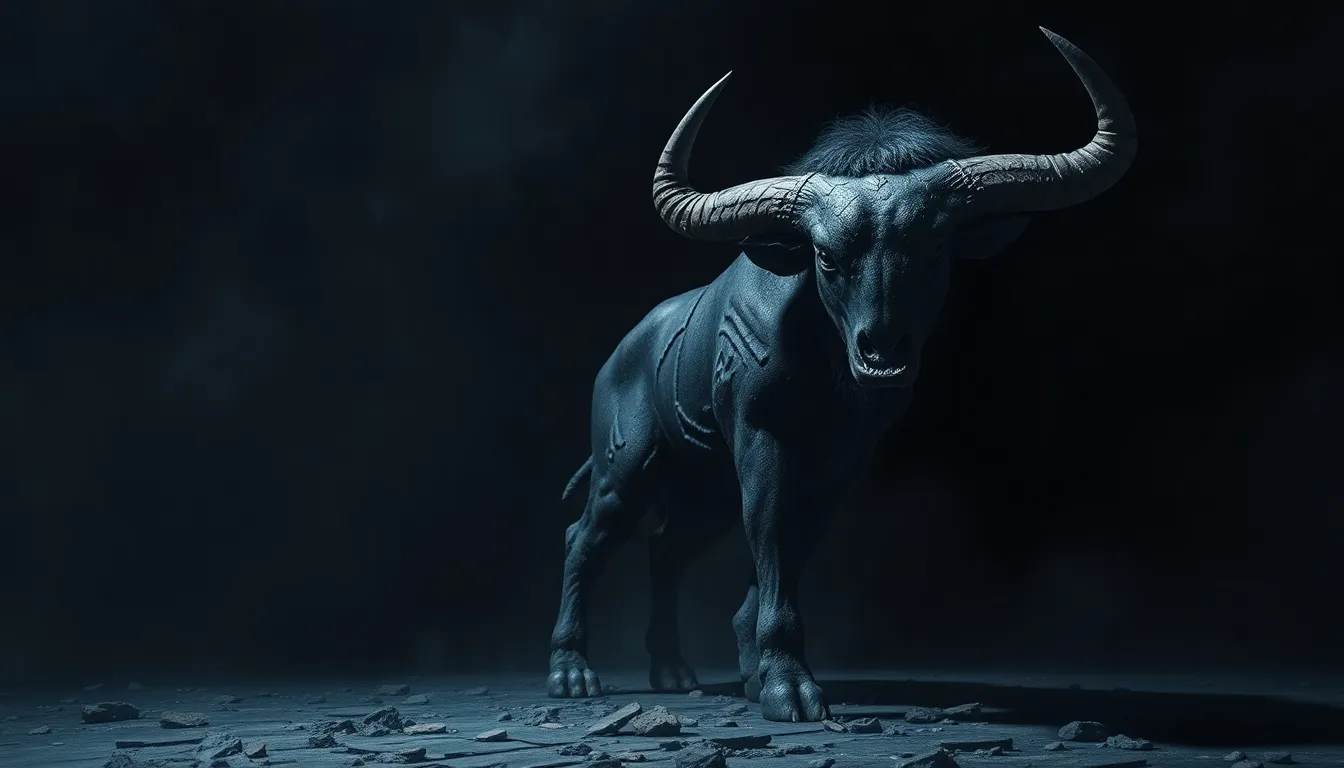
The tale of the Minotaur, a creature with the body of a man and the head of a bull, is one of the most captivating myths of ancient Greek mythology. This story intertwines themes of darkness, desire, and the complexities of human nature. The Minotaur resides in the labyrinth of Crete, a symbol of confusion and entrapment, reflecting the duality of existence that humans face. The purpose of this article is to explore these themes and uncover the deeper meanings behind this enigmatic creature.
II. Origins of the Minotaur: A Tale of Two Worlds
The origins of the Minotaur are steeped in mythological storytelling that highlights the interplay between gods and mortals. King Minos of Crete, desiring to demonstrate his divine right to rule, prayed to Poseidon for a magnificent bull as a sign of favor. When Poseidon granted his wish, Minos failed to sacrifice the bull, leading to dire consequences.
- The Birth of the Minotaur: As punishment for Minos’s disobedience, Poseidon cursed his wife, Pasiphaë, causing her to fall in love with the bull. This unnatural union resulted in the birth of the Minotaur, a hybrid creature that symbolized the chaos that ensues when human desires diverge from the natural order.
- Symbolism: The Minotaur represents the fusion of two worlds—the human and the animal—embodying the struggle between civilization and primal instincts.
III. The Labyrinth: A Symbol of Confusion and Entrapment
The labyrinth created by Daedalus serves as both a physical and metaphorical representation of entrapment. This complex structure was designed to house the Minotaur and prevent its escape, but it also symbolizes the intricate paths of the human psyche.
- Architecture and Purpose: The labyrinth’s maze-like design reflects the complexity of human emotions and thoughts, where one can easily become lost.
- Metaphor for Inner Turmoil: Just like the labyrinth, our desires can lead us into confusion, making it difficult to find a way out of our struggles.
- Reflection of Human Experience: The journey into the labyrinth mirrors the internal journeys we all undertake when confronting our desires and fears.
IV. The Minotaur as a Reflection of Human Nature
The Minotaur embodies the duality of human nature, representing both beastly instincts and human qualities. This duality is crucial in understanding the themes of monstrosity and identity.
- Beast vs. Human: The Minotaur’s existence challenges the boundaries between humanity and bestiality, forcing us to confront what lies within ourselves.
- Themes of Monstrosity: The Minotaur’s grotesque form raises questions about identity and the societal labels we impose on those who are different.
- Desire’s Corrupting Influence: The creature’s insatiable hunger for flesh symbolizes the consuming nature of unchecked desire, which can lead to destruction.
V. The Hero’s Journey: Theseus and the Confrontation with the Minotaur
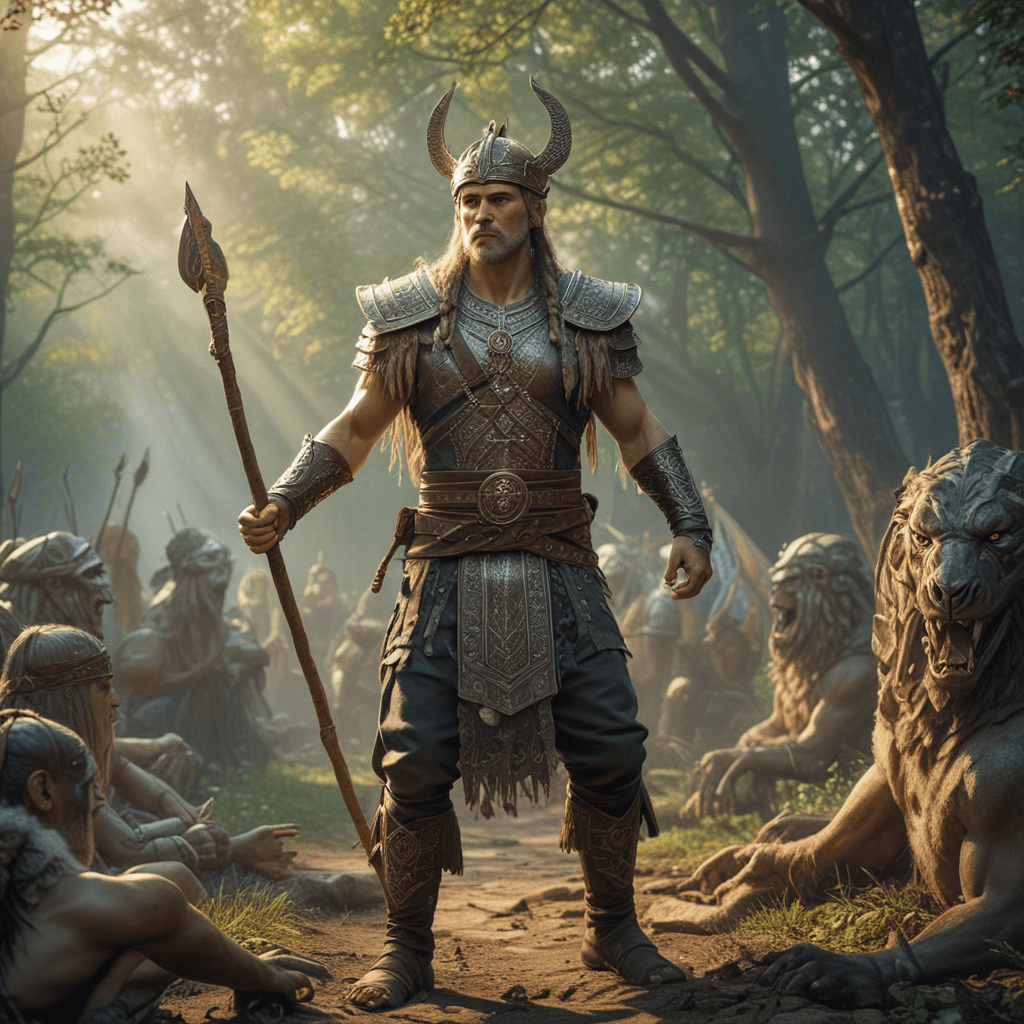
The story of Theseus and his quest to slay the Minotaur is a classic hero’s journey that highlights bravery and the struggle against darkness.
- Overview of the Quest: Theseus volunteers to be one of the tributes sent to the labyrinth, determined to confront the Minotaur and end its reign of terror.
- The Role of Ariadne: Ariadne, the daughter of King Minos, aids Theseus by providing him with a ball of thread, symbolizing guidance and the connection to one’s roots.
- Significance of Victory: Theseus’s triumph over the Minotaur represents the victory of light over darkness, reason over chaos, and the potential of the human spirit to overcome its inner demons.
VI. The Minotaur in Art and Literature: Interpretations Through the Ages
The Minotaur has inspired countless artistic interpretations throughout history, each reflecting the changing perceptions of desire and darkness.
- Ancient Representations: From pottery to frescoes, ancient artists depicted the Minotaur in various forms, often emphasizing its monstrous features.
- Modern Literature and Popular Culture: The Minotaur continues to appear in contemporary works, symbolizing the struggle against one’s inner darkness.
- Artistic Interpretations: Various artists have explored the themes of desire and monstrosity, using the Minotaur as a vehicle to express human fears and aspirations.
VII. Psychological Perspectives: The Minotaur as an Archetype
From a psychological standpoint, the Minotaur serves as a powerful archetype that embodies the complexities of the human psyche.
- Jungian Analysis: Carl Jung viewed the Minotaur as a shadow figure, representing the repressed aspects of the self that must be confronted to achieve wholeness.
- Repressed Desires and Fears: The Minotaur symbolizes the darker sides of human nature, including unacknowledged desires and fears that can lead to personal conflict.
- Confronting the Inner Minotaur: The process of facing one’s inner Minotaur is essential for personal growth and transformation.
VIII. The Minotaur’s Legacy: Cultural Impact and Modern Relevance
The legacy of the Minotaur myth remains strong in contemporary society, serving as a reminder of the ongoing struggle between our desires and our moral compass.
- Enduring Nature of the Myth: The Minotaur continues to resonate with audiences as a symbol of the complexities of human nature and the battle between light and darkness.
- Modern Interpretations: Various adaptations in literature, film, and art reflect the timeless relevance of the Minotaur’s story, encouraging exploration of our own inner beasts.