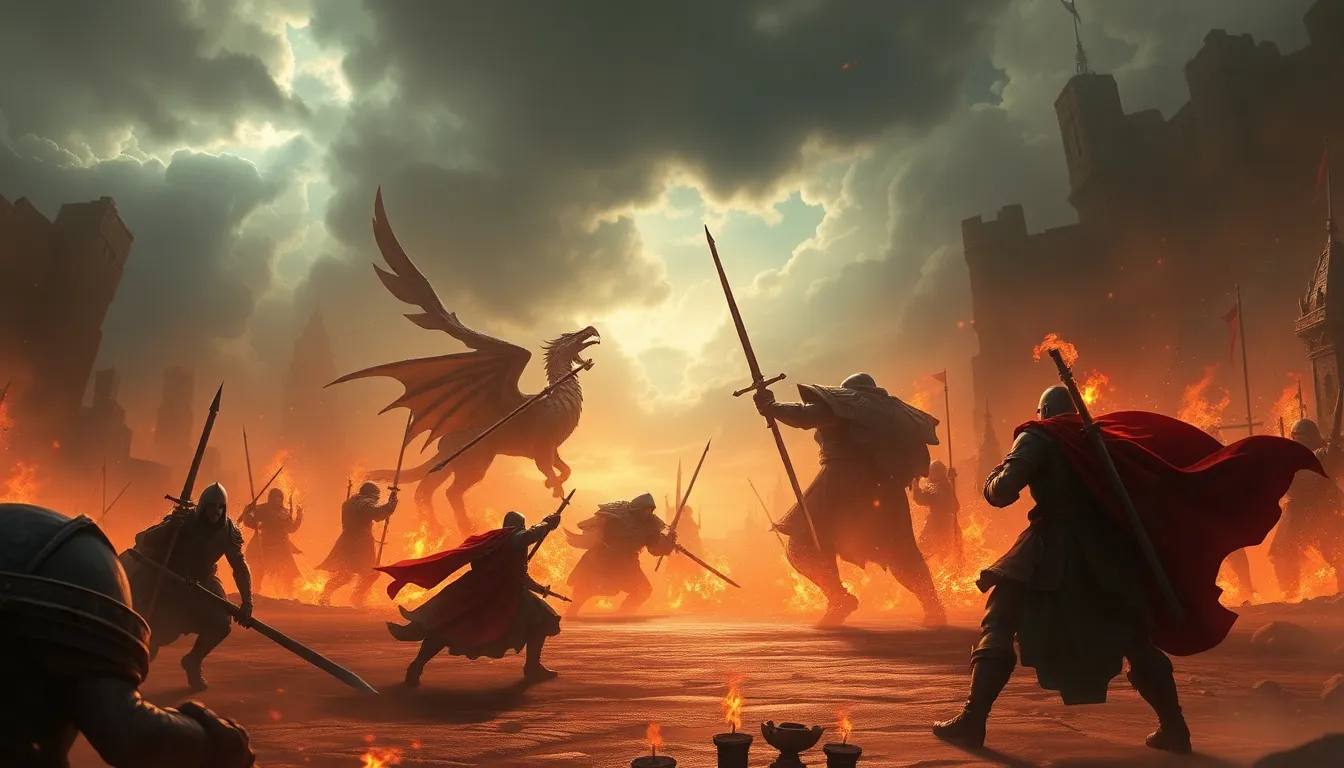
The Mythic Quests of the Sky: Tales of Celestial Beings
I. Introduction to Celestial Mythology
Celestial beings, often portrayed as gods, goddesses, and other divine entities, occupy a central place in the mythologies of various cultures around the world. These beings are typically associated with the sky, heavens, and celestial phenomena, embodying the mysteries of the universe and the fundamental forces of nature.
The significance of sky mythology in human history cannot be overstated; it has shaped beliefs, inspired art, and influenced the moral frameworks of societies. From ancient civilizations to modern interpretations, celestial myths provide insight into humanity’s relationship with the cosmos.
This article will explore the multifaceted realm of celestial beings, their roles in creation myths, the wisdom they impart, and the conflicts that arise among them. We will also examine the significance of celestial heroes and the symbolism of the sky in various cultures, alongside their lasting legacy in contemporary society.
II. The Celestial Pantheon: Who Are the Sky Deities?
Across different civilizations, major sky deities have emerged, each with their own unique characteristics and attributes. The following are some notable examples:
- Zeus (Greek): King of the gods, associated with thunder and lightning.
- Jupiter (Roman): Equivalent to Zeus, representing authority and law.
- Indra (Hindu): God of rain and thunderstorms, often depicted riding a white elephant.
- Wakan Tanka (Indigenous Lakota): The Great Spirit, encompassing all aspects of the universe.
The characteristics of celestial beings often reflect the values and priorities of the cultures from which they originate. For instance, many sky deities are depicted as powerful, wise, and sometimes vengeful, embodying the duality of creation and destruction inherent in nature.
Additionally, celestial beings frequently play pivotal roles in creation myths, explaining the origins of the world and humanity’s place within it. These narratives offer a glimpse into how ancient peoples understood their environment and the forces that governed it.
III. The Quest for Knowledge: Celestial Beings and Their Wisdom
Throughout mythology, celestial beings are often portrayed as wise entities who bestow knowledge upon mortals. These tales highlight the importance of wisdom in the human experience and the transformative power of knowledge.
For example, the myth of Prometheus from Greek mythology illustrates this theme. Prometheus defied the gods by stealing fire and giving it to humanity, symbolizing the quest for enlightenment and the consequences of seeking knowledge.
In Egyptian mythology, the god Thoth, the deity of wisdom and writing, is often depicted as guiding mortals in their quest for knowledge. His teachings are seen as essential for understanding the universe and oneself.
The symbolism of knowledge in mythic quests serves as a reminder of the importance of intellectual pursuits and the responsibilities that come with enlightenment. It also underscores the belief that wisdom can lead to both liberation and peril.
IV. The Struggles of the Sky: Conflicts Among Celestial Beings
Conflicts among celestial beings are prevalent in many mythologies, often reflecting the struggles faced by humanity. These narratives serve as allegories for the moral and existential dilemmas encountered in life.
One famous celestial conflict is the Titanomachy in Greek mythology, where the Olympian gods, led by Zeus, battled the Titans for supremacy. This epic struggle not only determined the fate of the universe but also represented the triumph of order over chaos.
The concept of duality, such as light versus darkness, is a recurring theme in these narratives. The conflicts often illustrate the balance between opposing forces, emphasizing that both are necessary for the harmony of existence.
V. The Celestial Heroes: Mortals on Mythic Quests
In many myths, mortal heroes undertake quests that involve interactions with celestial beings. These journeys are significant for human development, often embodying themes of growth, sacrifice, and the pursuit of glory.
Notable heroes such as Icarus, who flew too close to the sun, and Arjuna, a warrior prince in the Mahabharata, exemplify this theme. Icarus’s flight symbolizes the dangers of hubris, while Arjuna’s journey reflects the moral complexities of duty and righteousness.
These mythic quests serve as vital narratives that inspire individuals to confront their own challenges and strive for greatness, demonstrating the enduring impact of celestial beings on the human spirit.
VI. Symbolism of the Sky: The Cosmic Significance of Mythic Quests
The sky often serves as a powerful metaphor for aspirations and challenges. It represents the heights that humanity can reach, as well as the obstacles that must be overcome in the quest for knowledge and fulfillment.
The cyclical nature of mythic quests is mirrored in cosmic phenomena, such as the changing seasons and celestial movements. These cycles remind humanity of the enduring nature of existence and the importance of renewal and transformation.
A comparative analysis of sky symbolism across cultures reveals shared themes of transcendence, ambition, and the quest for understanding, reflecting a universal human experience.
VII. Celestial Beings in Literature and Art
Celestial beings have been represented in ancient texts and modern interpretations, influencing literature and art throughout history. This representation not only reflects the cultural values of the time but also serves to explore the human condition.
Artistic portrayals of mythic quests, from classical sculptures to contemporary films, have a profound impact on culture. These works often evoke a sense of wonder and inspire audiences to reflect on their own life’s journey.
Notable works that feature celestial beings prominently include Homer’s Odyssey, the Mahabharata, and modern films like Interstellar, each exploring the themes of humanity’s quest in relation to the cosmos.
VIII. The Legacy of Celestial Mythology in Modern Society
The influence of celestial myths continues to resonate in contemporary storytelling and media. Many modern narratives draw upon the rich tapestry of celestial mythology to explore themes of identity, morality, and the quest for meaning.
There has been a resurgence of interest in celestial themes, evident in popular culture through movies, literature, and art. This revival speaks to humanity’s enduring fascination with the cosmos and the questions it raises about existence and purpose.
The role of celestial beings in modern society serves as a reminder of our connection to the universe, encouraging individuals to explore their own mythic quests and seek knowledge, wisdom, and understanding in their lives.