The Quest for the Celestial Harmony: Myths of Balance
I. Introduction to Celestial Harmony
Celestial Harmony can be defined as a state of balance and equilibrium within the cosmos, where all elements coexist in a state of peace and order. This concept is vital in various cultures, as it symbolizes the ideal state of existence where chaos is tamed, and harmony prevails.
Throughout human history, the importance of balance has been emphasized in different spiritual and philosophical traditions. Various cultures have created myths to explain and explore the principles of balance, serving as narratives that help us understand the complexities of life and the universe.
This article will delve into the historical context of these myths, explore prominent examples across cultures, and examine the impact of celestial bodies, nature, and modernity on our understanding of balance.
II. Historical Context of Myths Related to Balance
A. Ancient Civilizations and Their Beliefs
Ancient civilizations such as the Chinese, Egyptians, and Greeks all had unique interpretations of balance. For instance, the Chinese believed in the dual forces of Yin and Yang, while the Egyptians revered Ma’at as the goddess of truth and order.
B. Evolution of the Concept of Balance in Mythology
The concept of balance has evolved over time, with myths adapting to reflect societal changes and new understandings of the universe. As civilizations progressed, their myths began to incorporate more complex ideas about harmony and balance.
C. Comparison of Different Cultural Perspectives on Harmony
- In Eastern cultures, balance is often seen in terms of duality and interconnectedness.
- Western cultures may depict balance through narratives of justice and moral order.
- Indigenous cultures frequently emphasize the balance between humanity and nature.
III. Prominent Myths of Balance in World Cultures
A. The Yin and Yang of Chinese Philosophy
Yin and Yang represent the dualistic nature of reality, where opposite forces are interconnected and interdependent. This philosophy illustrates that balance is crucial for harmony in life.
B. The Egyptian Ma’at and Cosmic Order
In ancient Egypt, Ma’at was not only a goddess but also a concept that embodied truth, justice, and cosmic order. The Egyptians believed that maintaining Ma’at was essential for the stability of the universe.
C. The Greek Myth of Themis and Divine Justice
Themis, the Greek personification of divine order and law, represents the ideal of justice and balance. Her depiction often includes scales, symbolizing the need for equilibrium in human affairs and the cosmos.
IV. The Role of Nature in Myths of Balance
A. Natural Elements as Symbols of Harmony
In many myths, natural elements such as water, earth, fire, and air symbolize different aspects of balance. For example, water often represents emotional balance, while earth signifies stability and grounding.
B. Seasonal Changes and Their Mythological Interpretations
The changing seasons are frequently interpreted through the lens of mythology, illustrating cycles of birth, death, and rebirth. These cycles emphasize the inherent balance in nature.
C. Animal Archetypes and Their Representations of Balance
- The owl symbolizes wisdom and the balance of knowledge.
- The wolf represents social balance and familial ties.
- The eagle embodies a higher perspective and the balance of freedom and responsibility.
V. The Psychological Impact of Myths of Balance
A. Understanding Human Behavior Through Myths
Myths serve as narratives that help individuals navigate their own lives. They provide frameworks for understanding personal challenges and societal issues, often reflecting the quest for balance in human behavior.
B. The Therapeutic Use of Myths in Modern Psychology
Modern psychology recognizes the therapeutic potential of myths. They can offer insights into personal struggles and assist individuals in finding their own paths to balance and harmony.
C. Myths as Narratives for Seeking Personal Balance
Stories from myths can guide individuals in their search for balance, providing examples of how others have navigated chaos and found their center.
VI. The Influence of Celestial Bodies on Myths of Balance
A. The Sun and Moon as Symbols of Duality
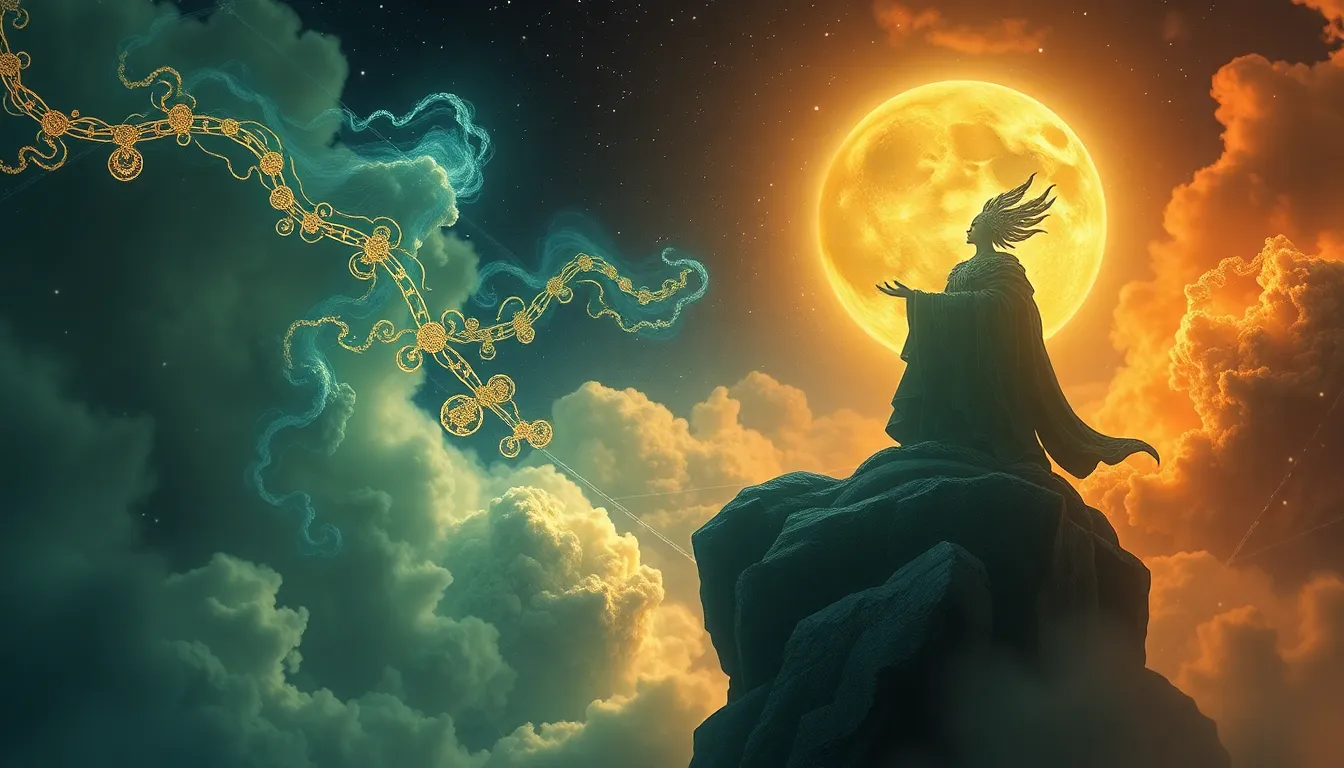
The sun and the moon have long been symbols of balance, representing duality in many cultures. The sun often stands for vitality and strength, while the moon represents intuition and calm.
B. Planets and Their Mythological Significance
Each planet in astrology has its own significance and influence, often linked to themes of balance and harmony in personal lives and relationships.
C. Astrology and the Search for Personal Harmony
Astrology provides insights into how celestial bodies influence human behavior and emotions, helping individuals understand their place in the universe and seek balance in their lives.
VII. Myths of Balance in Modern Contexts
A. Adaptation of Ancient Myths in Contemporary Culture
Many ancient myths have been adapted in modern literature, film, and art, showcasing their timeless relevance and the universal quest for balance.
B. The Relevance of Balance in Modern Life
In today’s fast-paced world, the concept of balance is more important than ever. Individuals are increasingly seeking ways to integrate balance into their daily lives amidst chaos and distractions.
C. Mythology’s Influence on Art, Literature, and Media
- Mythological themes are prevalent in contemporary storytelling.
- Artists often draw inspiration from ancient myths to explore modern issues.
- Media representations frequently reflect the ongoing quest for balance in society.
VIII. The Interplay of Chaos and Order in Myths
A. The Balance Between Creation and Destruction
Many myths explore the duality of creation and destruction, illustrating how both forces are necessary for balance in the universe.
B. Mythological Narratives of Conflict Leading to Harmony
Conflicts often serve as catalysts for restoring balance, demonstrating that adversity can lead to growth and harmony.
C. Lessons from Myths on Navigating Modern Chaos
Myths provide valuable lessons on how to navigate chaos, emphasizing the importance of finding personal equilibrium amid external turmoil.
IX. The Future of Myths of Balance
A. The Role of Technology in Shaping New Myths
As technology evolves, new myths emerge, reflecting contemporary issues and the shifting dynamics of balance in a digital age.
B. Globalization and the Fusion of Cultural Myths
Globalization facilitates the exchange of myths across cultures, leading to new interpretations and a broader understanding of balance.
C. The Importance of Reviving Balance in a Fast-Paced World
In a world that often prioritizes speed over tranquility, reviving the principles of balance found in ancient myths can provide a roadmap for a more harmonious future.
X. Conclusion: Embracing Celestial Harmony in Daily Life
Embracing celestial harmony involves recognizing the intricate balance that exists within ourselves and the world around us. By understanding the myths that have shaped our cultures and beliefs, we can learn to navigate the complexities of modern life with greater awareness and intention. As we seek to find our place within the cosmic order, let us draw inspiration from the timeless stories of balance that continue to resonate across generations.