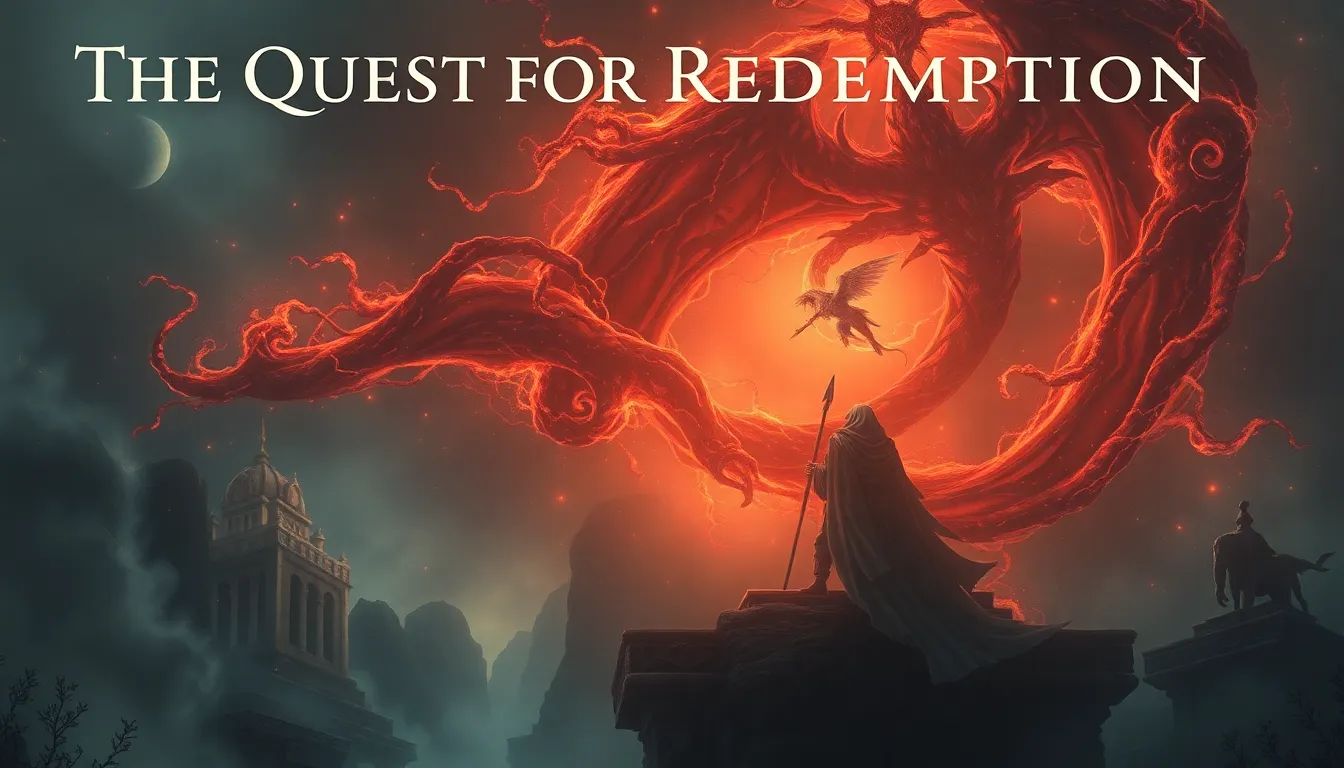
The Quest for the Divine: Myths of Ascendancy
Introduction: The Allure of the Divine
The concept of divine ascendancy has fascinated humanity across cultures and epochs. It refers to the elevation of individuals or entities to a divine status, often associated with power, wisdom, and transcendence. From the ancient pantheons of gods to contemporary spiritual leaders, the quest for the divine encapsulates humanity’s aspirations and existential inquiries.
Myths serve as powerful narratives that encapsulate this quest, providing frameworks through which societies understand their relationship with the divine. They reflect collective beliefs, values, and the inherent longing for connection with something greater than oneself.
Historical Context: Myths as Cultural Narratives
Throughout history, myths have played a crucial role in shaping cultural identities. In ancient civilizations, such as Mesopotamia, Egypt, and Greece, myths provided explanations for natural phenomena, social order, and human existence.
- Oral Traditions: Initially, myths were passed down orally, evolving through generations in a communal context.
- Written Texts: With the advent of writing, these myths were documented, preserving their narratives and allowing for broader dissemination.
The transition from oral to written traditions marked a significant evolution in how divine myths were understood and interpreted, making them accessible to future generations.
Mythological Archetypes: Heroes and Deities
Many myths center around archetypal figures, including heroes and deities, who embody the qualities associated with divine ascendancy. The hero’s journey, a common narrative structure, illustrates the transformation of an individual through trials, growth, and ultimate enlightenment.
Some prominent heroes across different cultures include:
- Hercules: The Greek hero known for his strength and twelve labors, symbolizing the struggle for redemption and divine favor.
- Gilgamesh: The Sumerian king whose quest for immortality reflects humanity’s desire for transcendence.
- Krishna: A central figure in Hinduism representing divine playfulness and the realization of one’s true nature.
These figures not only illustrate the qualities of the divine but also serve as models for human behavior and aspiration.
The Role of Nature and the Cosmos in Divine Myths
Nature and the cosmos often serve as conduits for divine messages in various myths. Natural phenomena, such as storms, celestial events, and seasonal changes, are frequently interpreted as signs from the divine.
Examples include:
- The Greek Pantheon: The gods were believed to control natural elements, with Zeus representing the sky and thunder.
- Native American Myths: Many indigenous beliefs emphasize the interconnectedness of all life, viewing nature as a manifestation of the divine.
These myths illustrate humanity’s attempt to understand and find meaning in the universe, often attributing divine significance to the natural world.
Rituals and Practices: Pathways to Ascendancy
Rituals are essential practices through which individuals and communities seek to connect with the divine. These rituals vary widely across cultures but often share common themes of reverence, sacrifice, and transformation.
Some notable aspects include:
- Ritual Offerings: Many cultures perform sacrifices or offerings to appease deities and seek their favor.
- Initiation Ceremonies: These rituals mark transitions in life stages, often deemed necessary for spiritual growth.
Such practices not only reinforce societal structures but also provide individuals with a sense of belonging and purpose in their spiritual journeys.
The Quest for Enlightenment: Philosophical Interpretations
Philosophical perspectives offer profound insights into the nature of divine ascendancy. Eastern philosophies, such as Buddhism and Hinduism, emphasize internal realization and enlightenment as pathways to understanding the divine.
Conversely, Western metaphysics often explores the nature of existence and the divine through rational inquiry. The intersection of myth and philosophy enriches the pursuit of truth, suggesting that understanding the divine is both a personal and collective endeavor.
Modern Interpretations: Myths in Contemporary Society
Ancient myths continue to resonate in modern spiritual and religious movements. They offer timeless themes of transformation, redemption, and the quest for meaning.
Moreover, mythological narratives have resurfaced in popular culture, influencing:
- Literature: Authors often draw upon mythological themes to explore contemporary issues.
- Film: Movies frequently adapt mythological stories, reinterpreting them for modern audiences.
- Art: Visual artists incorporate mythological motifs to express complex themes of identity and existence.
This resurgence highlights the enduring relevance of myths in understanding the human experience.
Critique of Myth: The Psychological Perspective
Psychological interpretations of myths, particularly through Jungian lenses, explore the deeper meanings embedded within these narratives. Jung’s concept of archetypes suggests that myths reflect the collective unconscious, revealing shared human experiences and motivations.
Understanding myths from this perspective emphasizes their role in shaping individual and societal behavior, offering insights into the human psyche and the universal quest for meaning.
Global Perspectives: Diversity in the Quest for the Divine
The quest for the divine is a global phenomenon, reflected in the diverse myths across cultures. A comparative analysis reveals both unique and universal themes:
- Christianity: The narrative of Jesus Christ embodies themes of sacrifice, redemption, and divine love.
- Hinduism: Myths surrounding deities like Shiva and Vishnu illustrate the cyclical nature of creation and destruction.
- Indigenous Beliefs: Many cultures emphasize a deep connection to nature, viewing the divine as present in all aspects of life.
These comparisons illuminate the shared human quest for understanding, transcendence, and the divine across different cultures.
Conclusion: The Enduring Legacy of Myths of Ascendancy
Myths of ascendancy play a crucial role in shaping humanity’s understanding of the divine. They encapsulate the aspirations, fears, and dreams that characterize the human experience. As we navigate the complexities of modern life, the quest for meaning and transcendence remains vital.
Continuing to explore these ancient narratives allows us to engage with the profound questions of existence, connecting us to our shared heritage and the enduring pursuit of the divine.