The Quest for the Lost Kingdom: Myths of Forgotten Realms
Introduction: The Allure of Lost Kingdoms
The concept of lost kingdoms has fascinated humanity for centuries, weaving stories of great civilizations that vanished without a trace. These myths often serve as a metaphor for the human condition—our aspirations, fears, and the eternal quest for meaning. From tales of grandeur to warnings of hubris, lost kingdoms reflect our cultural narratives and collective memory, often igniting the imagination of those who hear their stories.
Historical Context: The Roots of Lost Kingdom Legends
Many lost kingdom legends can be traced back to ancient civilizations, where oral traditions preserved tales of grandeur and tragedy. These stories are often influenced by historical events, such as wars, natural disasters, and migrations, which led to the rise and fall of empires. As civilizations crumbled, the myths surrounding them transformed into tales of lost realms, capturing the essence of what was once a thriving culture.
Some examples include:
- The fall of the Minoan civilization leading to myths of Atlantis.
- Conquests and explorations that inspired tales of El Dorado.
- Environmental changes that contributed to the legends of Ys and Avalon.
Notable Lost Kingdoms in World Mythology
Throughout history, various cultures have contributed to the rich tapestry of lost kingdom myths. Some of the most notable include:
- Atlantis: Perhaps the most famous of all lost kingdoms, Atlantis was described by Plato as an advanced civilization that sank into the ocean. Its philosophical implications raise questions about humanity’s relationship with nature and technology.
- El Dorado: Initially a legend of a city of gold in South America, the quest for El Dorado led conquistadors to explore and exploit vast territories, significantly impacting indigenous cultures.
- Ys: A mythical city in Brittany, France, said to have been built below sea level and ultimately submerged due to the hubris of its ruler.
- Avalon: In Arthurian legend, Avalon is a mystical island associated with the afterlife and the resting place of King Arthur, symbolizing lost idealism and chivalry.
- The Land of Punt: Often referred to as the “Land of the Gods,” this ancient trading partner of Egypt remains shrouded in mystery, with its exact location still debated by archaeologists.
The Role of Geography in Shaping Lost Kingdom Myths
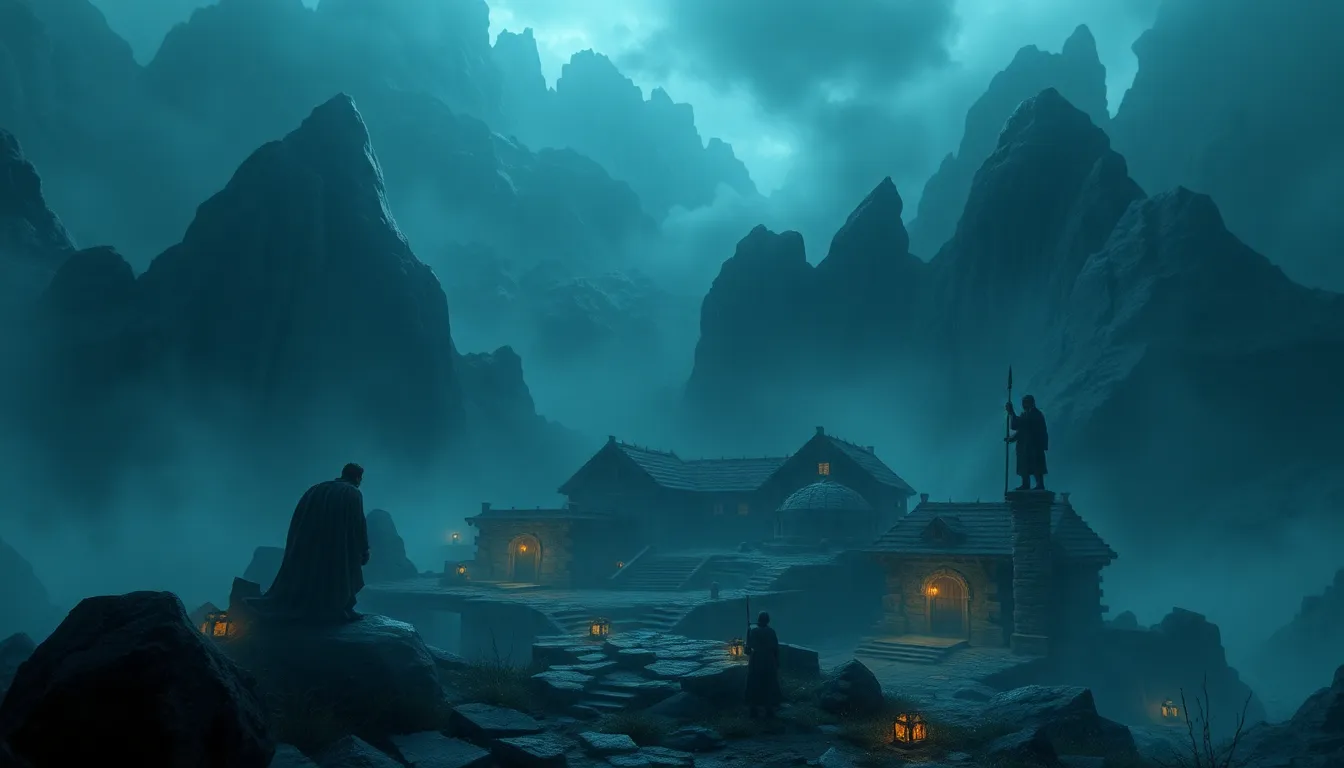
Geography plays a crucial role in the development of lost kingdom myths. Natural landscapes such as mountains, oceans, and dense forests often serve as backdrops for these tales, creating a sense of mystery and allure. The challenges posed by these terrains inspire the belief that hidden realms could exist just beyond the horizon.
The connection between exploration and the quest for lost kingdoms is also significant. As explorers ventured into uncharted territories, they often fueled the myths surrounding lost civilizations, leading to:
- Increased interest in archaeology and anthropology.
- The discovery of ancient ruins that sparked speculation about lost realms.
- Nationalistic narratives that shaped the identity of emerging nations.
Archaeological Discoveries: Bridging Myth and Reality
Archaeological findings have played a pivotal role in bridging the gap between myth and reality. Discoveries of ancient cities and artifacts provide tangible evidence that can either support or challenge existing legends. Some key archaeological findings include:
- The search for Troy: The archaeological site at Hisarlik in modern-day Turkey brought Homeric tales to life, proving that myths can stem from real historical events.
- Machu Picchu: Once thought to be a lost city of the Incas, the discovery of this site changed perceptions of Incan civilization and its achievements.
- The Indus Valley: Excavations revealed advanced urban planning and culture, prompting new interpretations of ancient myths in South Asia.
Cultural Significance: Lost Kingdoms in Literature and Art
Lost kingdoms have long been a source of inspiration in literature and the arts. They serve as settings for epic tales, exploring themes of heroism, tragedy, and the search for identity. In literature, lost kingdoms often appear in:
- Fantasy novels, where authors create intricate worlds inspired by myth.
- Epic poetry, such as the works of Homer and Virgil, which delve into the journeys of heroes in search of lost realms.
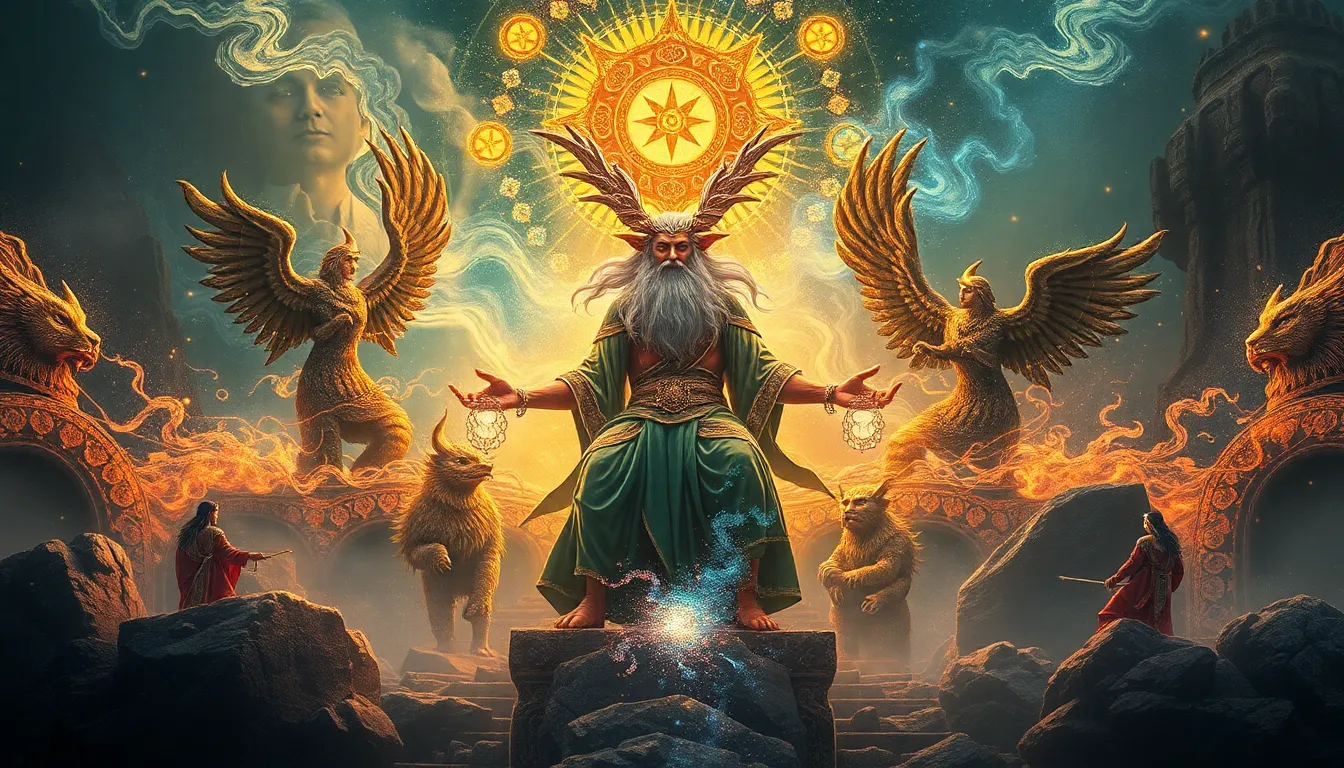
In visual arts and films, lost kingdoms are depicted as vibrant, mystical places, often using rich imagery and symbolism to evoke emotions. These representations continue to shape our understanding and fascination with lost civilizations.
Modern Interpretations: The Quest for Lost Kingdoms Today
In contemporary society, the quest for lost kingdoms persists through the efforts of explorers, historians, and adventurers. With advancements in technology, such as satellite imagery and ground-penetrating radar, the potential for discovering lost realms has significantly increased.
Modern explorers are driven by:
- A desire to uncover historical truths and validate myths.
- The thrill of adventure and the challenge of exploration.
- A commitment to preserving cultural heritage and educating future generations.
Psychological and Philosophical Themes in Lost Kingdom Myths
Lost kingdom myths often delve into profound psychological and philosophical themes, reflecting humanity’s innermost thoughts and desires. Key themes include:
- Loss and Nostalgia: The longing for a lost ideal or a more harmonious past.
- Quest for Utopia: The search for a perfect society, often portrayed as unattainable.
- Identity and Legacy: Questions of how history shapes individual and collective identities.
The psychological impact of these myths can be profound, offering comfort and inspiration to those who feel disconnected from their roots.
The Future of Lost Kingdoms: Mythology in a Globalized World
As the world becomes increasingly globalized, the evolution of lost kingdom myths is influenced by cultural exchange and communication. These myths may adapt to contemporary issues, resonating with modern audiences in new ways. Potential future developments include:
- Blending of myths from different cultures, creating new narratives.
- Incorporation of modern technology into storytelling, such as virtual reality experiences of lost realms.
- Continued archaeological discoveries that may redefine existing myths.
Conclusion: The Enduring Legacy of Lost Kingdom Myths
The myths of lost kingdoms continue to captivate human imagination, serving as a reminder of our shared history and the mysteries that lie beyond our understanding. As we explore the past and journey into the future, these stories will persist, inviting further exploration and reflection. The quest for lost kingdoms is not just about uncovering the past; it is also about understanding ourselves and our place in an ever-changing world.