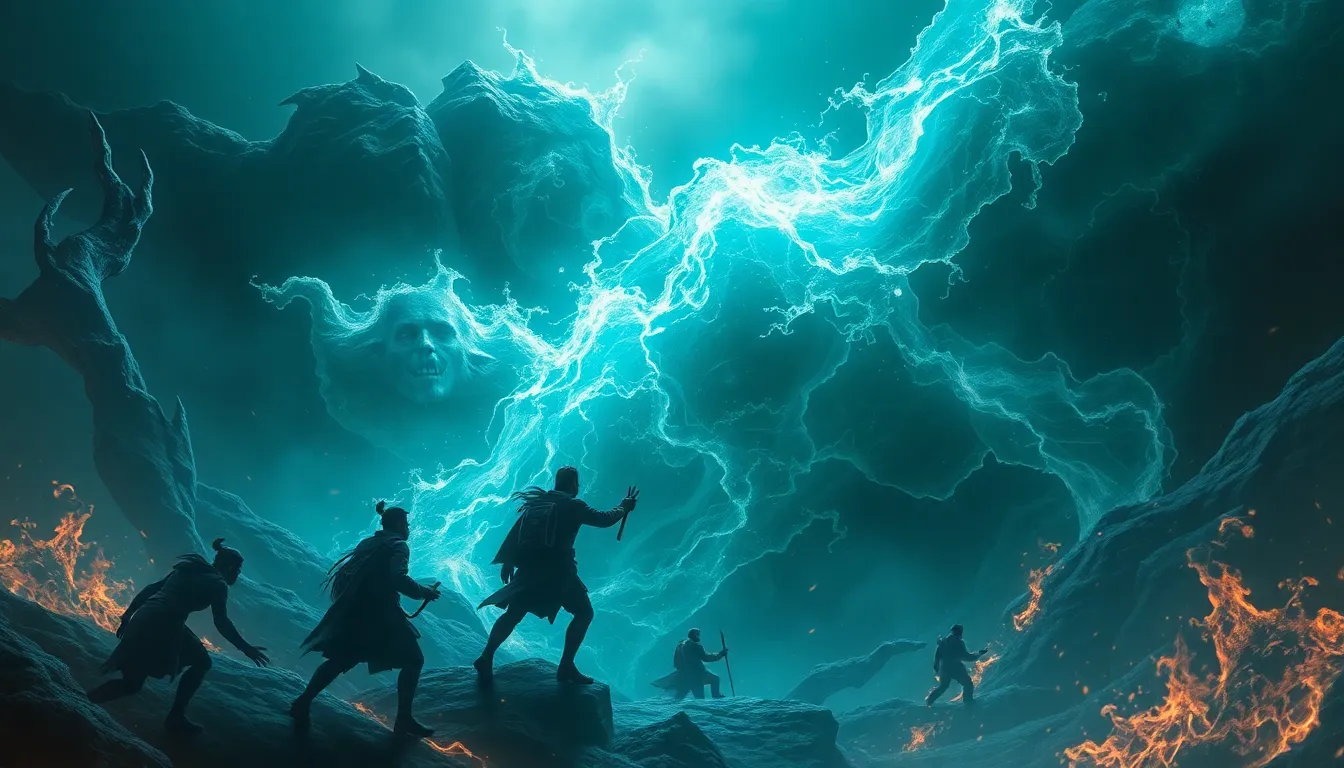
The Quest for the Mythical Adventure: Legends of Excitement
1. Introduction to Mythical Adventures
Mythical adventures are tales that transcend the boundaries of reality, often involving heroes embarking on quests filled with challenges, magic, and profound transformations. These narratives have been an integral part of human culture, captivating audiences with their themes of bravery, discovery, and the unknown. Throughout history, the allure of adventure has inspired countless stories, shaping our understanding of heroism and the human experience.
This article will explore the rich tapestry of mythical adventures, delving into their historical context, essential elements, cultural variations, psychological appeal, representations in literature and film, modern interpretations, societal impacts, and the future of these captivating legends.
2. Historical Context of Adventure Legends
The roots of adventure legends can be traced back to the earliest civilizations, where oral traditions played a crucial role in preserving and transmitting these tales. From ancient Mesopotamia to Greece and beyond, stories of epic journeys have served not only to entertain but also to teach moral lessons and preserve cultural identities.
- Gilgamesh: One of the oldest known stories, this epic follows the King of Uruk as he seeks immortality, showcasing themes of friendship and the quest for meaning.
- Odysseus: The protagonist of Homer’s “Odyssey,” he embarks on a perilous journey home, facing mythical creatures and divine challenges along the way.
- King Arthur: The legends surrounding Arthur and the Knights of the Round Table highlight ideals of chivalry, bravery, and the quest for the Holy Grail.
3. The Elements of a Mythical Adventure
Mythical adventures are characterized by several core elements that resonate across cultures and time periods. These include:
- Common Themes: Heroism, quests, and transformation are prevalent themes that define the journey of the protagonist.
- The Hero’s Journey: Joseph Campbell’s concept of the hero’s journey outlines a universal pattern of adventure that includes stages such as the call to adventure, trials, and ultimate transformation.
- Magical Elements: The inclusion of magical objects, mythical creatures, and supernatural occurrences enhances the sense of wonder and excitement.
4. Cultural Variations in Adventure Legends
Adventure myths vary widely across cultures, influenced by geography, history, and local folklore. A comparative analysis reveals fascinating similarities and differences:
- Greek Myths: Often focus on the struggles of gods and mortals, showcasing epic battles and moral lessons.
- Norse Legends: Center on themes of fate and the inevitability of death, with heroes like Thor and Odin embarking on quests amidst a backdrop of cosmic conflict.
- Asian Folklore: Stories like “Journey to the West” feature spiritual quests and enlightenment, blending adventure with philosophical teachings.
These cultural narratives provide unique insights into the values and beliefs of different societies, enriching the global tapestry of adventure legends.
5. The Psychological Appeal of Adventure
At the heart of mythical adventures lies a deep psychological appeal. Humans are inherently curious, driven by a desire for exploration and the thrill of risk-taking. Adventure symbolizes a journey into the unknown, mirroring our own quests for personal growth and self-discovery.
Furthermore, adventure narratives serve as a form of escapism, allowing individuals to step outside their everyday lives and immerse themselves in extraordinary experiences. This appeal is particularly relevant in modern society, where the hustle and bustle of daily life can often feel monotonous.
6. Mythical Adventures in Literature and Film
Mythical adventures have found a prominent place in literature and film, influencing generations of readers and viewers. Notable works include:
- “The Hobbit”: J.R.R. Tolkien’s tale of Bilbo Baggins showcases a classic hero’s journey filled with danger, friendship, and self-discovery.
- “The Chronicles of Narnia”: C.S. Lewis’s series invites readers into a magical world where children embark on quests to save Narnia from evil.
- Adventure Films: Movies like “Indiana Jones” and “The Lord of the Rings” have brought adventure legends to life on the big screen, captivating audiences with stunning visuals and compelling storytelling.
These stories shape our understanding of adventure, often setting the standard for what constitutes a heroic quest.
7. Modern-Day Mythical Adventures
In the digital age, mythical adventures have evolved into new forms of storytelling. Contemporary interpretations can be seen in:
- Gaming: Video games like “The Legend of Zelda” and “Skyrim” allow players to embark on epic quests in immersive worlds, blending narrative with interactivity.
- Virtual Reality: Technologies like VR offer unprecedented experiences, transporting users into fantastical realms where they can live out their own adventures.
- Adventure Tourism: Real-world quests, such as hiking the Inca Trail or exploring ancient ruins, connect individuals to the adventure narratives of the past.
8. The Role of Mythical Adventures in Society
Adventure legends play a significant role in shaping societal values and ethics. Through tales of heroism and perseverance, these stories inspire communities and foster resilience in the face of adversity. They often serve as moral compasses, teaching lessons about bravery, sacrifice, and the importance of friendship.
Moreover, adventure narratives can unite diverse groups, creating a shared cultural heritage that transcends differences and promotes understanding.
9. The Future of Mythical Adventures
As we look to the future, trends in storytelling suggest exciting possibilities for adventure narratives. The rise of digital media, interactive experiences, and global connectivity may lead to:
- New Myths: Emerging technologies and societal changes could inspire fresh adventure tales that reflect contemporary issues and aspirations.
- Interactive Storytelling: Blending gaming with traditional narratives may redefine how audiences engage with adventure stories.
- Diverse Perspectives: A growing emphasis on inclusivity will likely bring forth a wider array of voices and experiences in adventure legends.
10. Conclusion: The Enduring Legacy of Adventure Legends
The quest for mythical adventures is a timeless pursuit that continues to resonate across cultures and generations. From ancient tales to modern interpretations, these legends embody our deepest desires for exploration, growth, and connection. As we navigate a changing world, the enduring legacy of adventure legends will undoubtedly inspire new narratives that reflect our evolving understanding of heroism and the human experience.