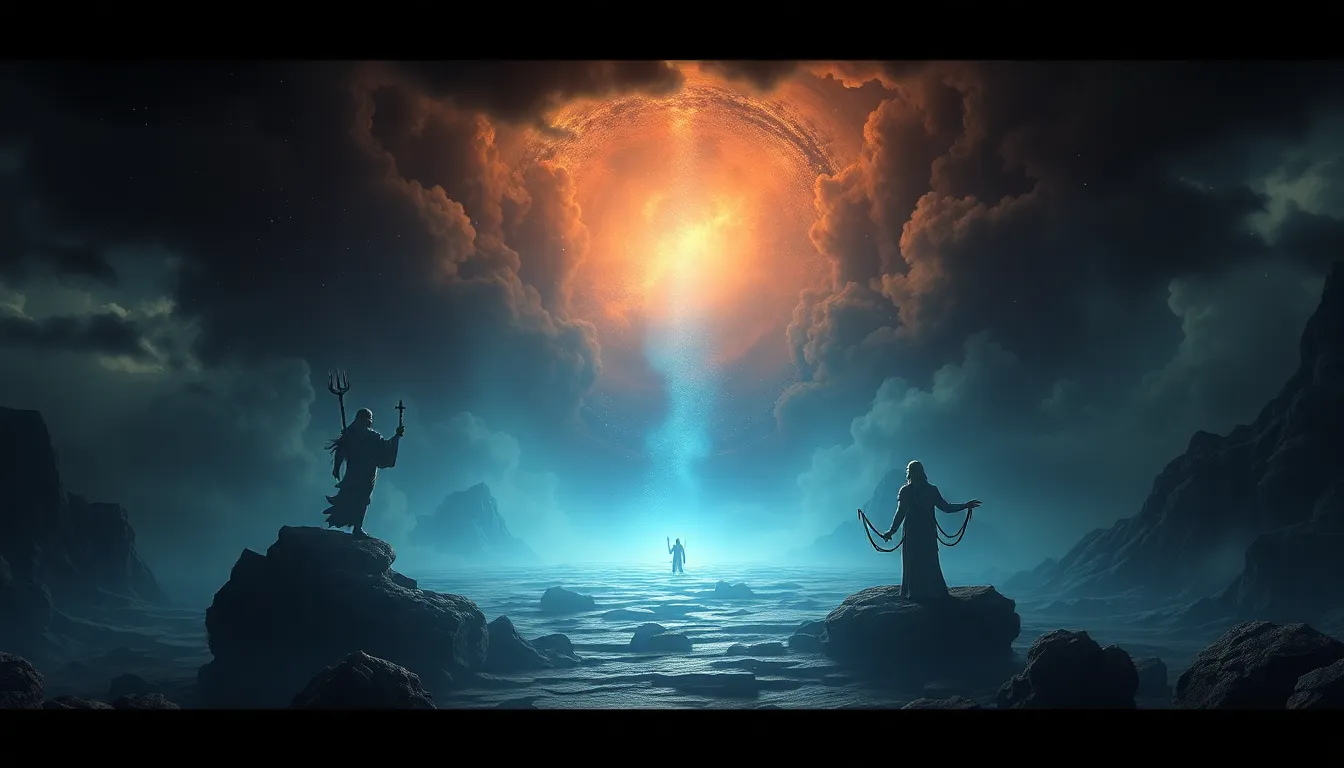
The Quest for the Sacred Balance: Myths of Equilibrium
Introduction to Sacred Balance
The concept of “sacred balance” is deeply embedded in various cultures around the world, representing an ideal state of harmony and equilibrium. It is often viewed as a fundamental principle guiding both human life and the cosmos. Sacred balance signifies the delicate interplay between opposing forces, whether they be light and dark, male and female, or order and chaos.
In human experience, achieving equilibrium is paramount. It influences our physical, emotional, and spiritual well-being. Many myths across cultures explore themes of balance, illustrating the necessity of maintaining harmony within oneself and with the world. This article delves into the rich tapestry of myths that illuminate the quest for sacred balance.
Cultural Perspectives on Balance
Different cultures express the idea of balance in unique ways, rooted in their philosophies and traditions.
- Eastern philosophies: In Eastern thought, balance is often epitomized by the concept of Yin and Yang in Taoism, where opposites are interconnected and interdependent. Buddhism emphasizes the Middle Way, a path of moderation away from extremes.
- Western traditions: Greek mythology offers tales of balance through figures like Themis, the goddess of justice, representing order and fairness. Aristotle’s philosophy also emphasizes the importance of virtue as a mean between extremes.
- Indigenous beliefs: Many Indigenous cultures view balance as a harmonious relationship with nature. The interconnectedness of all living beings is a recurring theme, emphasizing respect and stewardship of the earth.
The Role of Nature in Myths of Equilibrium
Nature serves as a profound symbol of balance in mythological narratives. Many myths illustrate the equilibrium of elements and the cycles inherent in the natural world.
- Creation myths: Numerous cultures have creation myths that depict the balance of elemental forces—earth, water, fire, and air—coming together to form the world.
- The cycle of seasons: Myths often reflect the changing seasons, illustrating themes of renewal and decay. For instance, in Greek mythology, the story of Persephone explains the balance between life and death through the seasons.
Mythological Figures Representing Balance
Many deities and heroes in mythology embody the principle of balance, serving as archetypes that convey important lessons.
- Ma’at: In ancient Egyptian mythology, Ma’at represents truth, balance, and cosmic order. She is often depicted with a feather, which symbolizes the weight of one’s heart against truth.
- Thor: In Norse mythology, Thor balances the forces of chaos with his strength and courage, defending the gods against the giants of chaos.
- Vishnu: In Hinduism, Vishnu is the preserver of the universe, maintaining balance between creation and destruction, often incarnating in various forms to restore harmony.
The duality of good and evil is also a significant theme in many myths, where the struggle between opposing forces ultimately leads to a restoration of balance.
The Duality of Chaos and Order
The tension between chaos and order is a prevalent theme in various myths, illustrating the struggle for equilibrium.
- Norse Ragnarok: This myth depicts the end of the world as a chaotic battle, ultimately leading to a new order where balance is restored.
- Greek Titans: The Titanomachy, the battle between the Titans and the Olympians, represents the conflict between chaos and order, culminating in the establishment of balance in the cosmos.
Conflict is often portrayed as a necessary step towards achieving balance, emphasizing that the journey towards equilibrium can be tumultuous yet transformative.
Rituals and Practices for Achieving Balance
Throughout history, various cultures have developed rituals aimed at restoring equilibrium in their lives and communities.
- Harvest festivals: Many societies celebrate harvest festivals as a way to give thanks for abundance while acknowledging the cyclical nature of life.
- Cleansing ceremonies: Rituals such as purifications and renewals are performed to cleanse individuals and communities of negative energies, restoring balance.
- Meditation and mindfulness: Practices rooted in Eastern traditions serve as tools for achieving mental and emotional balance, emphasizing presence and awareness.
Modern adaptations of these ancient practices continue to play a crucial role in helping individuals navigate the complexities of contemporary life.
The Psychological Aspect of Balance in Myths
The quest for balance is not only a cultural pursuit but also a psychological one. Myths often serve as metaphors for the internal struggles individuals face in their lives.
- Internal conflicts: Many myths reflect the dualities within human nature, illustrating the struggle between desires and responsibilities.
- Resolutions: The resolutions found in these narratives can offer insights into achieving personal equilibrium, emphasizing growth through adversity.
- Mental health: The connection between myth and mental health highlights how stories can provide frameworks for understanding personal challenges and fostering resilience.
The Influence of Myths on Contemporary Society
Ancient stories of balance continue to resonate in modern society, shaping our values and beliefs.
- Environmental discourse: Myths emphasizing harmony with nature inform contemporary discussions on sustainability and conservation.
- Adaptations in literature and film: Many modern narratives draw upon mythological themes of balance, reflecting society’s ongoing quest for equilibrium.
Challenges to Achieving Sacred Balance Today
Despite the enduring legacy of these myths, contemporary issues threaten our ability to achieve sacred balance.
- Climate change: Environmental degradation disrupts the natural balance, posing challenges to sustainability.
- Social injustice: Inequities within society create discord, challenging the ideal of balance.
- Technology and urbanization: The rapid pace of modern life often leads to disconnection from nature and community, further complicating the quest for balance.
- Cultural appropriation: The loss of traditional knowledge and practices can hinder the understanding of balance in various cultures.
Conclusion: The Ongoing Journey Towards Equilibrium
The quest for sacred balance is a timeless journey that transcends cultures and generations. Myths serve as powerful reminders of the importance of equilibrium in all aspects of life. As we navigate the complexities of the modern world, the lessons embedded in these ancient stories can guide us in our pursuit of harmony—within ourselves, our communities, and the natural world. The ongoing journey towards equilibrium is not just a personal endeavor but a collective responsibility, urging us to strive for a balanced existence in an ever-changing landscape.