The River of Giants: Myths of Colossal Creatures
I. Introduction
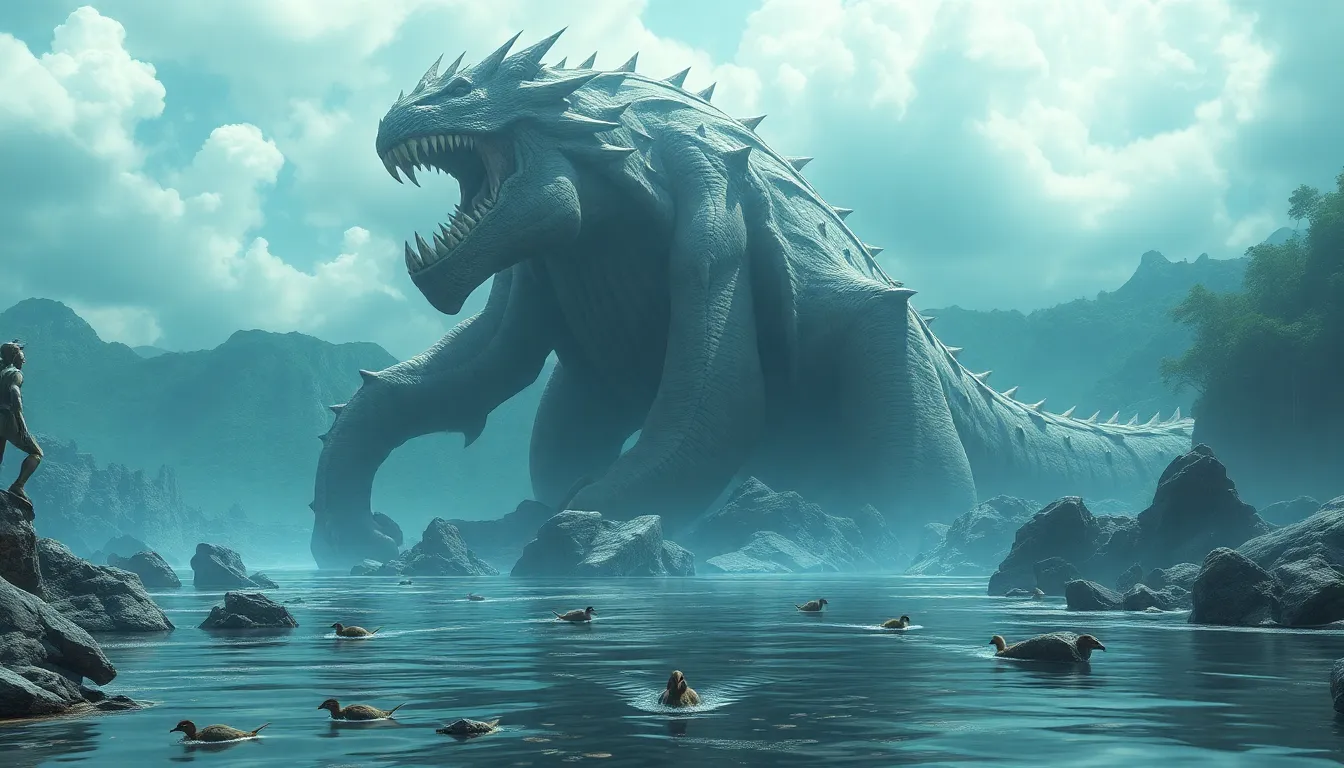
The River of Giants is a captivating mythological concept that threads through various cultures, depicting colossal creatures that dwell in or near rivers. These creatures, often imbued with immense power and mystery, play significant roles in folklore and mythology, representing the awe and fear of nature’s grandeur. The purpose of this article is to explore the rich tapestry of cultural myths surrounding these giants and their connection to rivers, revealing how they reflect humanity’s relationship with the natural world.
II. The Origin of the River of Giants
The concept of the River of Giants can be traced back through history, appearing in various cultures with unique interpretations. Rivers have always held symbolic meaning in mythology, often representing the flow of life, transition, and boundaries between realms. The notion of giants emerged in ancient stories as embodiments of strength, chaos, and fundamental aspects of nature.
In many cultures, rivers are seen as the veins of the Earth, nourishing the land and its creatures. As such, the giants associated with these rivers often symbolize the raw, untamed forces of nature that can create or destroy.
III. Colossal Creatures Across Cultures
Colossal creatures appear in numerous mythological frameworks. Here are a few prominent examples:
- Greek Mythology: The Titans, such as Cronus and Atlas, are often linked with rivers. Their immense size and power symbolize the primal forces of nature, and their stories frequently involve interactions with water as a life-giving and destructive element.
- Norse Mythology: Jörmungandr, the Midgard Serpent, is a colossal creature that encircles the Earth and resides in the ocean, which connects to rivers. This serpent represents chaos and is prophesied to engage in a cataclysmic battle during Ragnarok, highlighting the tumultuous nature of water.
- Indigenous American Legends: The Great Serpent of the Mississippi River embodies both creation and destruction. This creature is often depicted as a guardian of the waters, reflecting the reverence for rivers in Indigenous cultures.
IV. The Role of Giants in Creation Myths
Giants frequently appear in creation myths as either creators or destroyers. Their immense size and strength often symbolize the forces that shape the world. For example, in some cultures, giants are said to have fashioned mountains and valleys, while in others, they are responsible for cataclysmic events that reshape the landscape.
The relationship between giants and the natural world is complex, as they embody both the nurturing and destructive aspects of nature. Here are a few notable case studies:
- In Hindu mythology, the demon king Vritra is often depicted as a giant who holds back the waters, representing drought. His defeat by the god Indra allows the rivers to flow, symbolizing the restoration of life.
- The Finnish epic Kalevala describes the giant Väinämöinen, who crafts the world from the body of a giant fish, illustrating the interconnectedness of giants and the natural order.
V. The River as a Gateway to Other Realms
Rivers in mythology often serve as gateways to other realms, guarded by colossal creatures. These giants are depicted as protectors of sacred waters, ensuring that only the worthy may pass. This theme appears in many tales where heroes must confront giants to access hidden knowledge or divine gifts.
Some examples of these mythological interactions include:
- The Greek myth of Heracles, who must cross a river guarded by the giant Achelous, illustrates the trials heroes face in their journeys.
- In Celtic mythology, the river goddess Boann transforms into a giant serpent, creating the River Boyne, while guarding the secrets of the Otherworld.
VI. Fear and Reverence: Psychological Aspects of Giant Myths
The myths surrounding colossal creatures encapsulate humanity’s fear of the unknown. These giants evoke a duality, serving as both protectors and threats, embodying the respect and fear that people have towards nature.
These myths often reflect societal values and fears, such as:
- The fear of losing control over nature’s power, as represented by destructive giants.
- The reverence for the life-giving aspects of water, embodied by giants who guard sacred rivers.
VII. Modern Interpretations and Adaptations
The influence of giant myths persists in contemporary literature and media. Modern adaptations reinterpret the River of Giants and its creatures, often blending ancient themes with new narratives.
Notable examples include:
- Films like “Clash of the Titans” and “Pacific Rim,” where colossal beings play central roles in epic battles.
- Books such as Neil Gaiman’s “American Gods,” which explore the relevance of ancient myths in modern society.
The resurgence of interest in mythology reflects a collective yearning to connect with our cultural roots.
VIII. Scientific Perspectives on Giant Creatures
The fascination with giant creatures may stem from a combination of historical realities and psychological phenomena.
Theories suggest that large creatures capture human imagination due to:
- Our ancestral memories of encountering prehistoric animals like dinosaurs and mammoths.
- The awe inspired by the sheer size and majesty of real-life animals, such as whales and elephants.
Cryptozoology also plays a role in the ongoing search for ‘giants,’ as enthusiasts investigate reports of mysterious creatures thought to exist in remote areas.
IX. The Legacy of the River of Giants
The myths surrounding giants and their rivers continue to shape cultural narratives, inspiring art, literature, and our understanding of the natural world. These stories remind us of the power and mystery of nature and our place within it.
As we navigate a world increasingly disconnected from mythological traditions, the legacy of the River of Giants serves as a bridge to understanding our historical fears and reverences, encouraging us to reflect on our relationship with the environment and the colossal forces that shape our world.