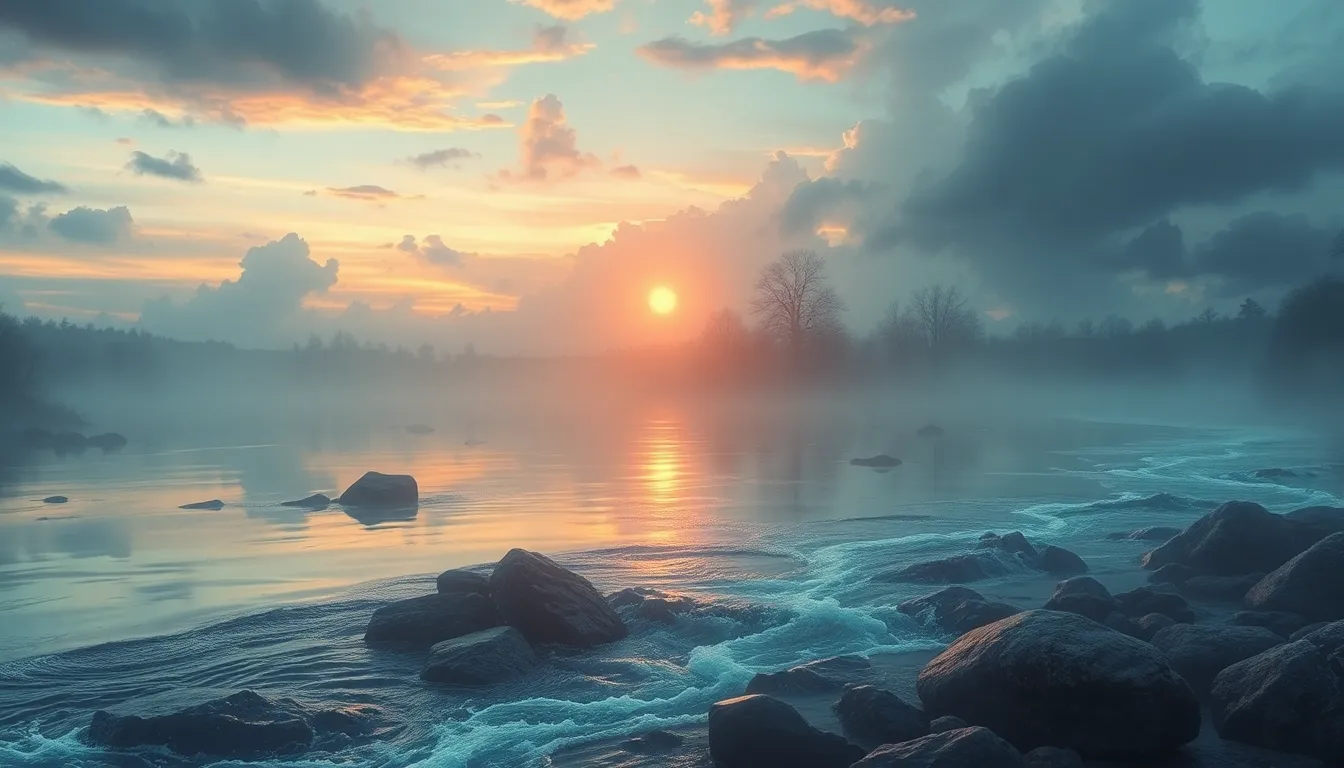
The River of the Dreamers: Myths of Inspiration
Introduction: The Allure of the River of the Dreamers
The concept of a river has long served as a powerful metaphor for inspiration, creativity, and the flow of ideas. Just as a river winds through landscapes, nourishing the earth and shaping its course, inspiration flows through the minds of dreamers, artists, and thinkers, guiding them toward their creative endeavors. This article explores the connection between myths and creativity, revealing how the metaphor of the river can illuminate our understanding of inspiration.
Historical Context: Rivers in Mythology
Rivers have held significant symbolic meanings in various cultures throughout history. They often represent pathways to the unknown, gateways to other realms, or sources of life and sustenance. Consider the following rivers:
- The Nile: Revered in ancient Egyptian mythology, the Nile was seen as a divine gift, providing fertility to the land and serving as a conduit for the soul’s journey to the afterlife.
- The Styx: In Greek mythology, the Styx is the river that separates the living from the dead, highlighting the transition between worlds and the mysteries of existence.
- The Ganges: In Hindu tradition, the Ganges is considered sacred, symbolizing purity and the potential for spiritual enlightenment.
Across these cultures, rivers convey deep meanings, often serving as metaphors for life’s journey and the quest for knowledge and inspiration.
The River as a Source of Inspiration
Rivers are often seen as symbols of creativity and inspiration. They are dynamic, ever-changing, and full of potential. Many artists and thinkers have drawn inspiration from rivers, experiencing profound moments of creativity while near their banks. For example, Vincent van Gogh painted the flowing waters of the Seine, capturing its movement and emotion. Similarly, John Keats found solace and inspiration while walking along the banks of the River Itchen in England.
These personal anecdotes highlight the transformative power of rivers, serving as a reminder of how nature can awaken the creative spirit within us all.
Mythical Figures and the River of Inspiration
Throughout mythology, various figures are associated with inspiration and creativity. Among these are:
- The Muses: In Greek mythology, the Muses are nine goddesses who inspire the arts and sciences, each representing a different domain of creativity.
- Nymphs: Often depicted as beautiful maidens, nymphs are associated with nature and are believed to inspire poets and artists through their enchanting presence.
These mythical figures embody the essence of inspiration, illustrating how creativity is often seen as a divine gift, flowing like a river from the sources of the universe.
The Journey Down the River: Transformation and Growth
The journey motif is prevalent in myths of inspiration, representing the transformative process that artists and thinkers undergo. This journey often involves challenges and obstacles, symbolized by the unpredictable nature of rivers. For instance, renowned author J.K. Rowling drew inspiration from her own life experiences while she navigated the rivers of adversity before achieving success with the Harry Potter series.
Other notable journeys influenced by rivers include:
- The travels of Mark Twain along the Mississippi River, which inspired his literary works.
- The artistic explorations of Claude Monet, who captured the beauty of the Seine in his Impressionist paintings.
These stories illustrate how the journey down the river often leads to personal growth and creative fulfillment.
Cultural Variations: Different Interpretations of the River of the Dreamers
Across cultures, the river of inspiration is perceived in various ways. In Eastern traditions, rivers are often linked to spiritual cleansing and enlightenment, while Western myths may emphasize the river as a passage to adventure and discovery.
For example:
- In Chinese mythology, the Yellow River is seen as a cradle of civilization, symbolizing the nurturing aspect of creativity.
- In Native American traditions, rivers are often viewed as sacred entities that connect the earth and the spirit world, highlighting their role in healing and inspiration.
This comparative analysis reveals the rich tapestry of beliefs surrounding the river of inspiration, showcasing the shared human experience of seeking creativity and understanding through nature.
Rivers in Literature and Art: A Creative Reservoir
Numerous literary works and artworks have drawn inspiration from rivers, reflecting the profound connection between nature and creativity. Examples include:
- Herman Melville’s “Moby-Dick,” in which the ocean and rivers symbolize the depths of human emotion and ambition.
- The paintings of Turner, who often depicted rivers and their interplay with light, capturing the essence of movement and emotion.
These pieces demonstrate how rivers serve as creative reservoirs, inspiring artists to explore the depths of their imagination and express the beauty of the world around them.
Modern Interpretations: The River in Contemporary Culture
In contemporary storytelling, the river metaphor continues to be a powerful symbol of inspiration. Films, music, and literature frequently utilize the river motif to convey themes of growth, transformation, and the creative process. For instance:
- In the film “The Secret Life of Walter Mitty,” the protagonist embarks on a journey that leads him to breathtaking landscapes, symbolizing his quest for inspiration.
- Musicians often reference rivers in their lyrics, using the imagery of flowing water to evoke emotions and experiences related to creativity.
The river of inspiration remains a relevant and resonant theme in today’s creative landscape, encouraging individuals to embrace their own journeys.
Challenges Along the River: Overcoming Creative Blocks
While the river of inspiration can be a source of great creativity, artists often face challenges along the way. These obstacles can mirror mythological challenges, such as crossing turbulent waters or navigating uncharted territories. Common creative blocks include:
- Fear of failure or self-doubt.
- Lack of motivation or direction.
- External pressures and distractions.
To navigate these rapids, artists can employ various strategies, such as:
- Setting small, achievable goals to build momentum.
- Seeking inspiration from nature, including rivers and other natural landscapes.
- Engaging in creative exercises or collaborations to spark new ideas.
By recognizing these challenges and employing strategies to overcome them, artists can find their way back to the flow of inspiration.
Conclusion: Embracing the Flow of Inspiration
In conclusion, the river metaphor offers profound insights into the nature of creativity and inspiration. By understanding the historical and cultural significance of rivers, we can better appreciate their role in our creative journeys. As we embark on our own paths, let us embrace the flow of inspiration, seeking out our personal rivers that nourish our artistic pursuits. Whether through nature, mythology, or personal experience, may we all find the courage to navigate the waters of creativity and emerge transformed.