The River of the Fairies: Myths of Enchanted Realms
1. Introduction to the Concept of Enchanted Realms
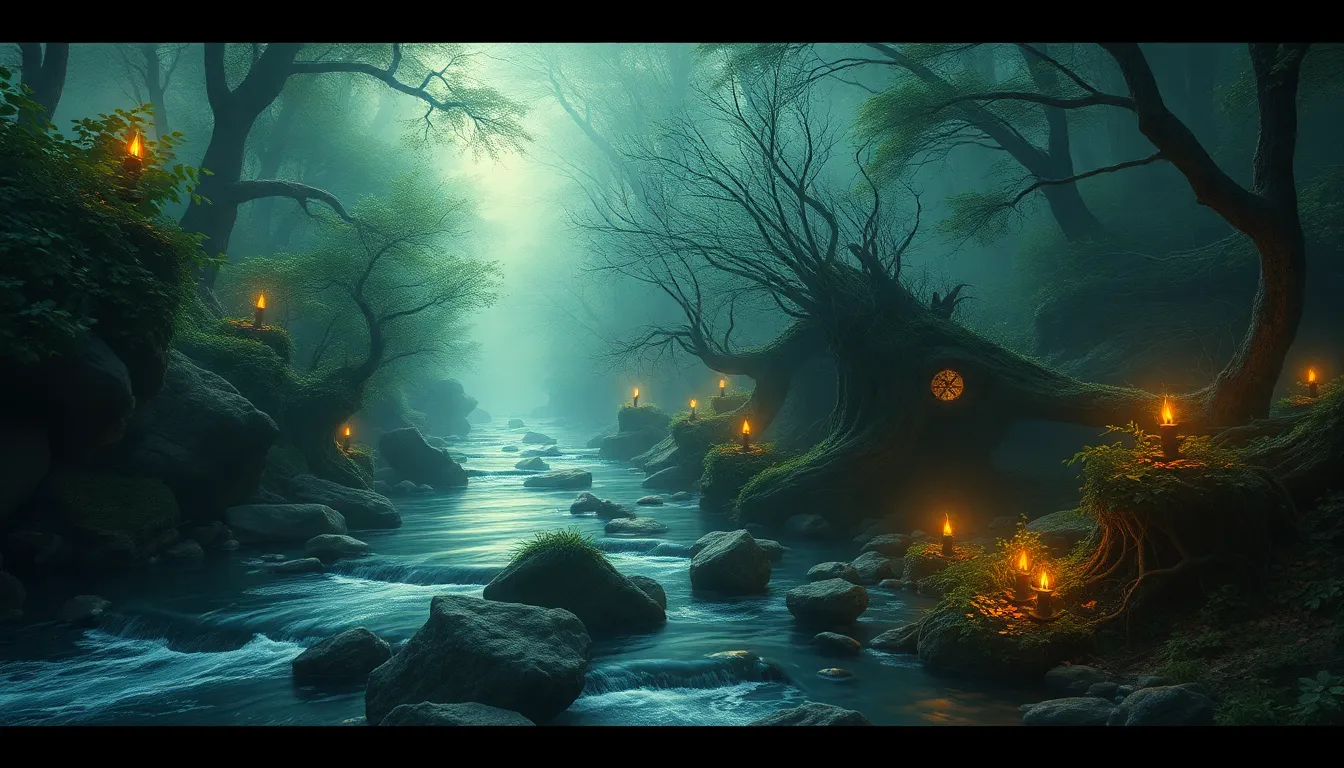
Enchanted realms are mystical domains often depicted in folklore and mythology, where the ordinary world intertwines with the extraordinary. These realms are characterized by their magical properties, inhabited by supernatural beings, and filled with awe-inspiring landscapes. One of the most captivating motifs within these enchanted realms is the River of the Fairies. This river symbolizes not only a physical body of water but also the passage between worlds, serving as a bridge to the magical and the unknown.
2. Historical Origins of the River of the Fairies Myth
The origins of the River of the Fairies myth can be traced back to various ancient cultures. In Celtic mythology, for example, rivers were often seen as gateways to the otherworld, a place where the fae and other mystical beings resided. Notable literary sources, such as the works of William Butler Yeats, have referenced these fairy rivers, illustrating their significance in Irish folklore.
- Ancient Egypt: The Nile was often associated with gods and the afterlife.
- Greek Mythology: Rivers like the Lethe were linked to forgetfulness and rebirth.
- Native American Legends: Stories of rivers inhabited by spirit beings.
3. Geographic Locations of Fairy Rivers in Folklore
Fairy river myths are found across the globe, with each culture offering its own interpretation of these magical waters. Here are some notable regions known for their fairy river legends:
- Celtic Regions: Particularly in Ireland and Scotland, where rivers are often linked to the fae.
- Scandinavian Folklore: Rivers are believed to be home to water nymphs and trolls.
- Eastern European Myths: Fairy rivers are often tied to Slavic mythology, where they serve as portals to mystical realms.
Cultural variations enrich the narratives surrounding these rivers, highlighting the unique beliefs and values of different societies.
4. The Symbolism of Water in Fairy Mythology
Water serves as a vital symbol in fairy mythology, representing life, cleansing, and transformation. It is often seen as a source of nourishment and fertility, essential for growth and sustenance.
- Spiritual Significance: Many cultures view water as a conduit for spiritual energy, reflecting the divine.
- Connection to the Supernatural: Rivers often signify boundaries between the material and spiritual worlds.
This symbolism enhances the allure of the River of the Fairies, as it embodies both the beauty and danger of the unknown.
5. Key Figures and Creatures Associated with the River of the Fairies
The River of the Fairies is often populated by a variety of mystical beings, including:
- Fairies: Mischievous spirits known for their magical abilities and connection to nature.
- Nymphs: Water spirits that personify the beauty and grace of the river.
- Other Creatures: From selkies to water sprites, many beings inhabit these enchanted waterways.
Notable folklore characters often associated with these rivers include the likes of the Irish banshee and the Scottish kelpie, each adding layers to the river’s narrative.
6. The Role of the River in Fairy Tales and Legends
Throughout history, the River of the Fairies has played a central role in countless fairy tales and legends. Famous stories feature these rivers as crucial elements in the plot, often representing challenges or transformative journeys.
- The Water of Life: A tale where the protagonist must find a magical river to save a king.
- The Fisherman and His Wife: A story highlighting greed and consequence, featuring a mystical fish in a magical river.
Common themes in these narratives include the pursuit of knowledge, the confrontation of fears, and the quest for love, each enriched by the presence of the fairy river.
7. Modern Interpretations and Adaptations of Fairy River Myths
In contemporary culture, the River of the Fairies continues to inspire a wealth of literature, films, and artworks. Modern adaptations often reimagine these myths, incorporating new themes and perspectives.
- Literature: Novels like The River of Dreams explore the intersection of reality and fantasy.
- Film: Movies such as Pan’s Labyrinth draw upon fairy lore to depict magical realms.
- Art: Artists use the motif of fairy rivers to evoke feelings of nostalgia and wonder.
This evolution shows how the fairy narrative adapts, remaining relevant in today’s storytelling landscape.
8. The Cultural Impact of the River of the Fairies
The River of the Fairies has significantly influenced local customs and traditions. Festivals celebrating water and the fae abound in cultures around the world. These myths often serve as a source of inspiration for:
- Artistic Expression: Music, dance, and visual arts often draw upon themes of enchanted rivers.
- Spiritual Practices: Many contemporary belief systems incorporate fairy river myths into their spiritual frameworks.
This cultural impact reflects the timeless nature of these myths and their ability to resonate with human experiences.
9. Exploring the Psychological Significance of Fairy Rivers
Psychologically, rivers often symbolize the flow of life and the unconscious mind in dreams and literature. The River of the Fairies can represent:
- Desire for Escape: A longing to escape the mundane and embrace the magical.
- Fear of the Unknown: The river can embody the fear of change and the unknown.
These myths can serve as a reflection of human desires and fears, allowing individuals to confront their inner worlds through the lens of fairy lore.
10. Conclusion: The Everlasting Allure of the River of the Fairies
In summary, the River of the Fairies is a rich and multifaceted motif that captures the imagination across cultures and ages. From its historical origins and geographical significance to its modern adaptations and psychological implications, this enchanted river continues to be a source of inspiration and wonder. Its enduring legacy in contemporary culture speaks to the deep-seated human fascination with the magical and the unknown, ensuring that the allure of the River of the Fairies will persist for generations to come.