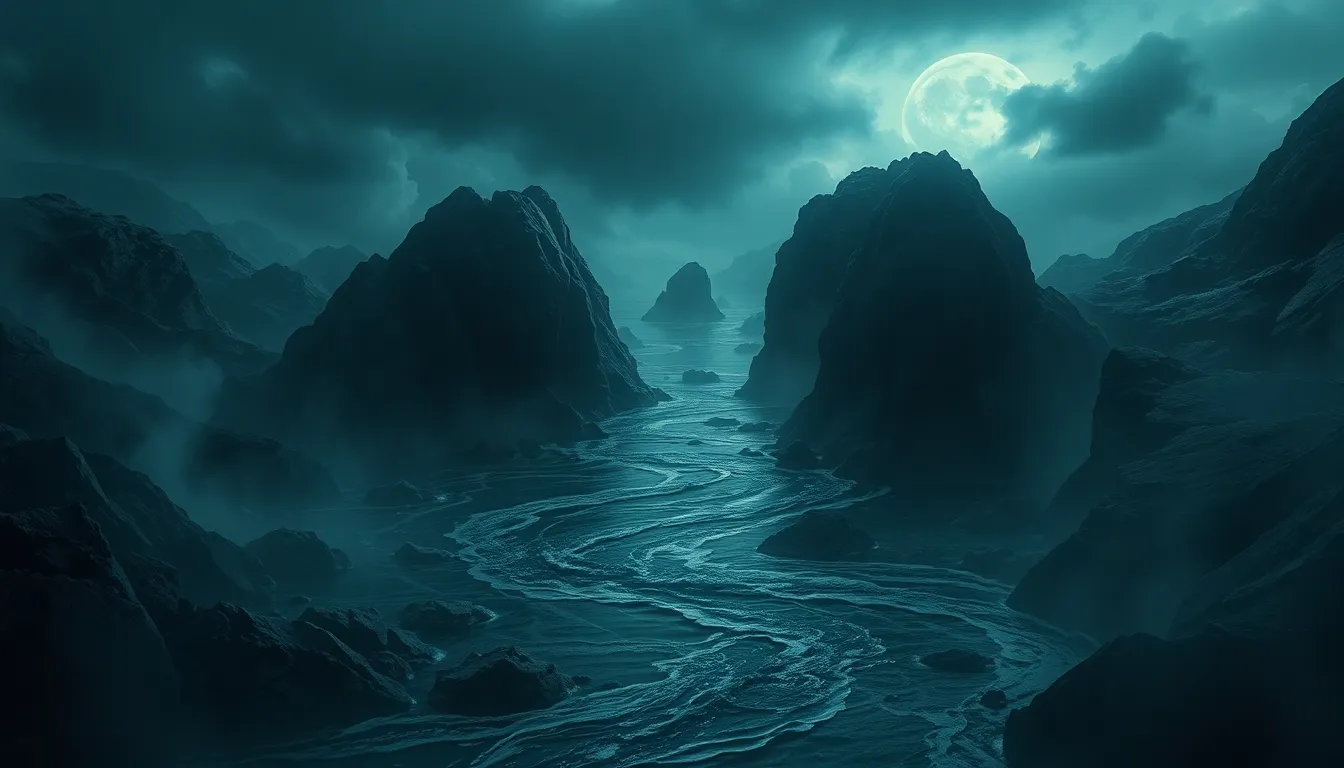
The River of the Night: Myths of Darkness and Dreams
I. Introduction
The concept of the River of the Night evokes a rich tapestry of imagery and symbolism, intertwining the elements of darkness and dreams into a singular narrative. This metaphorical river serves as a conduit, guiding individuals through the depths of their subconscious and the realm of dreams, often characterized by mystery and introspection.
Myths have played a crucial role in humanity’s quest to understand the complexities of darkness and the significance of dreams. They offer insights into the fears, hopes, and existential questions that pervade human experience. Through this article, we will explore various aspects of this intriguing concept, delving into the myriad ways cultures have interpreted the interplay between night, dreams, and the subconscious.
II. The Symbolism of Rivers in Mythology
Rivers have long held symbolic significance across various mythologies, often representing pathways that connect different realms of existence.
A. Rivers as pathways between worlds
In many cultures, rivers symbolize the journey between life and death, consciousness and the unconscious. They serve as bridges that transport souls to the afterlife or facilitate the exploration of inner worlds.
B. The dual nature of water: life-giving and destructive
Water is a powerful element in mythology, embodying both nurturing and destructive qualities. It can represent the flow of life, but also the chaos and danger that comes with it. This duality is evident in myths where rivers are seen as both sacred and perilous.
C. Cultural variations in river symbolism
- In Greek mythology, rivers like the Styx represent the boundary between the living and the dead.
- In Hinduism, the Ganges is revered as a purifying force, signifying rebirth and spiritual renewal.
- In African folklore, rivers often embody ancestral spirits, acting as a medium for communication with the divine.
III. Darkness in Mythical Narratives
Darkness is a recurring theme in mythology, often serving as a backdrop for creation and transformation.
A. The role of darkness in creation myths
Many creation myths begin in darkness, suggesting that the void is a fertile ground for new beginnings. This theme underscores the idea that from darkness, light and life can emerge.
B. Darkness as a source of fear and mystery
Darkness has historically been associated with the unknown, evoking fear and mystery. This perception is often reflected in myths where darkness conceals dangers or challenges that heroes must confront.
C. Archetypes of shadow figures in myth and folklore
Shadow figures, such as tricksters and monsters, symbolize the darker aspects of the human psyche. They serve as reminders of the internal struggles we face and the lessons learned through overcoming these shadows.
IV. Dreams as a Gateway to the Subconscious
Dreams have long fascinated humanity, providing a window into our subconscious mind and revealing our deepest fears, desires, and thoughts.
A. Historical interpretations of dreams in different cultures
Across cultures, dreams have been interpreted in various ways:
- In ancient Egypt, dreams were seen as messages from the gods.
- In Indigenous cultures, dreams often held prophetic significance.
- In Freudian psychology, dreams are viewed as expressions of repressed desires.
B. The connection between dreams and the unconscious mind
Dreams serve as a bridge to the unconscious, allowing unresolved issues and emotions to surface. They can reveal insights into our waking lives, providing clarity and understanding.
C. Case studies of dream-related myths
Many myths revolve around dreams as pivotal moments:
- The story of Joseph in the Bible, who interprets dreams to predict the future.
- The Greek myth of Morpheus, the god of dreams, who shapes dreams into reality.
V. The Intersection of Darkness and Dreams
The interplay between darkness and dreams invites exploration of how night-time experiences shape our understanding of the self.
A. Exploring the dream state as a journey through darkness
Many cultures view the dream state as a voyage through the unknown, where individuals confront fears and desires hidden in the shadows of their minds.
B. Myths that depict dreams as prophetic or transformative experiences
Some myths portray dreams as essential for navigating life’s challenges, offering guidance or foreshadowing future events.
C. Nightmares: Legends and their psychological implications
Nightmares often reflect inner turmoil and unresolved conflicts, serving as a call to address the shadows within. Various cultures have myths that explain the origins of nightmares, often attributing them to malevolent spirits or emotional distress.
VI. Notable Myths from Around the World
Here are some notable myths that illustrate the themes of darkness and dreams:
A. The Egyptian Duat: Journey through the underworld
The Duat is the Egyptian underworld, where souls undergo trials before reaching the afterlife, symbolizing the journey through darkness to find enlightenment.
B. The Greek River Lethe: Forgetfulness and the realm of dreams
The Lethe is a river in Hades that causes forgetfulness, representing the idea that dreams can lead to both revelation and oblivion.
C. The Norse Niflheim: Darkness, mist, and the dream realm
Niflheim is a realm of mist and darkness in Norse mythology, representing the chaotic and transformative aspects of the dream world.
VII. The Role of Night Creatures in Mythology
Nocturnal creatures often symbolize the deeper aspects of darkness and dreams in various mythologies.
A. Owls, bats, and other nocturnal symbols in lore
Owls are often associated with wisdom and the unknown, while bats can symbolize transformation and the hidden aspects of the self.
B. Myths surrounding creatures of the night and their significance
Creatures of the night frequently represent guides through the darkness, offering protection or insight during dream journeys.
C. The relationship between these creatures and the dream world
Many cultures believe that these nocturnal beings can traverse between realms, serving as messengers between the conscious and the subconscious.
VIII. Modern Interpretations and Adaptations
Contemporary literature and media continue to draw on the River of the Night concept, weaving it into narratives that explore the human psyche.
A. How contemporary literature and media depict the River of the Night
Modern storytelling often reinterprets ancient myths, depicting the journey through darkness as a metaphor for personal growth and self-discovery.
B. The influence of ancient myths on modern storytelling
Many modern tales borrow motifs from ancient myths, illustrating the timeless nature of these themes.
C. Psychological perspectives on dreams and darkness in today’s world
Psychology increasingly acknowledges the importance of dreams in understanding mental health, viewing them as vital tools for personal insight and healing.
IX. The Therapeutic Aspects of Embracing Darkness and Dreams
Embracing the concepts of darkness and dreams can foster personal growth and healing.
A. The role of dreams in mental health and healing
Dreams can illuminate personal struggles, providing a pathway to address emotional wounds and promote healing.
B. Embracing darkness as a part of personal growth
Accepting and exploring one’s darkness is essential for holistic self-development, leading to greater self-awareness and resilience.
C. Techniques for navigating dreams and shadow aspects of self
- Journaling dreams to uncover patterns and insights.
- Practicing mindfulness to confront and integrate shadow aspects.
- Engaging in creative expression to explore feelings evoked by darkness.
X. Conclusion
In reflection, the River of the Night serves as a powerful metaphor for the journeys we undertake through darkness and dreams. By exploring these themes, we gain a deeper understanding of ourselves and the universal human experience. Myths surrounding darkness and dreams continue to resonate, offering wisdom and insight into the complexities of our inner lives. As we navigate our own rivers of the night, we discover that both darkness and dreams are