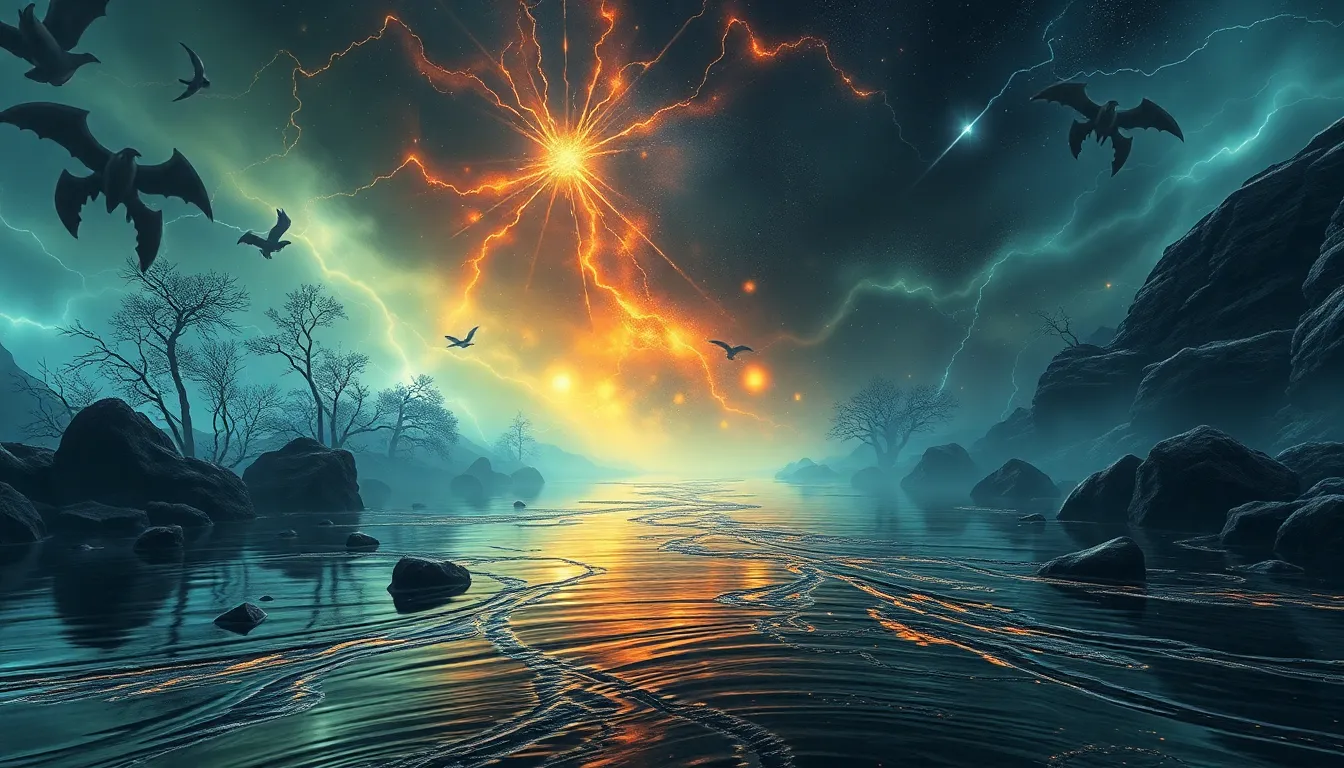
The River of the Wild: Myths of Nature’s Untamed Spirit
Introduction to the River of the Wild
The concept of the “River of the Wild” embodies the untamed spirit of nature, representing the raw and powerful forces that shape our environment. Rivers have long been central to human experience, serving as lifelines for civilizations while simultaneously embodying the mysteries of the natural world. In various cultures, rivers are revered not just for their physical properties, but for their deeper spiritual significance, often illustrated in myths and legends.
This article aims to explore the multifaceted symbolism of rivers in mythology, their ecological importance, and the ways in which they are woven into the fabric of human spirituality and cultural identity. Through this exploration, we hope to understand the relevance of the untamed spirit of nature in our modern lives.
The Symbolism of Rivers in Mythology
Rivers have historically served as powerful symbols in mythology, often representing the cycles of life, death, and rebirth. They are seen as pathways between worlds, connecting the living with the spiritual realm. Here are some key aspects of river symbolism:
- Life: Rivers are crucial for sustaining life, providing water for drinking, agriculture, and transportation.
- Death: Many cultures view rivers as thresholds to the afterlife, where souls must cross to reach their final resting place.
- Rebirth: The cyclical nature of rivers reflects themes of renewal and regeneration, as they nourish the land and foster new growth.
Case studies of major rivers illustrate their mythological importance:
- The Nile: In Ancient Egypt, the Nile was revered as a divine entity, personified by the goddess Hathor, and was integral to agriculture and culture.
- The Ganges: In Hinduism, the Ganges River is considered sacred, embodying the goddess Ganga and representing purity and the promise of salvation.
- The Amazon: Many indigenous cultures view the Amazon River as a living entity, rich with spirits and deities that govern its waters and the surrounding rainforest.
Nature’s Untamed Spirit: A Historical Perspective
Historically, ancient civilizations held a profound reverence for nature, viewing wild landscapes as both nurturing and formidable. The connection between human survival and the natural world is evident in their myths and practices. For many early societies, rivers were vital for sustenance, trade, and communication, leading to a deep respect for their power and unpredictability.
This reverence manifested in various ways, such as:
- The establishment of rituals and ceremonies to honor water deities.
- Building settlements near rivers to ensure access to resources.
- Creating stories that personified rivers, imbuing them with character and importance in the cultural narrative.
The Role of Rivers in Folklore and Legends
Rivers are often central figures in folklore, embodying the spirits of the land and acting as conduits for mythological tales. Across different cultures, rivers are frequently associated with:
- River Spirits: Entities believed to inhabit the waters, often seen as guardians of the river.
- Water Deities: Divine beings representing the power and sanctity of water, worshipped in various rituals.
Comparing river myths across cultures reveals intriguing similarities and differences:
- Native American Myths: Many tribes view rivers as sacred, integral to their creation stories and spiritual practices.
- Celtic Legends: Rivers are often portrayed as magical pathways, inhabited by fairies and other mystical beings.
- African Folklore: Rivers often symbolize life and fertility, with stories that celebrate their nurturing qualities.
Ecology and Myth: The Real River of the Wild
Understanding the ecological significance of rivers is crucial to appreciating their role in both mythology and our daily lives. Rivers are vital ecosystems that support an incredible diversity of life, including:
- Fish and aquatic insects that rely on clean water for survival.
- Birds and mammals that depend on rivers for food and habitat.
- Plants that thrive in riparian zones, contributing to the overall health of the ecosystem.
The untamed spirit of nature is vividly represented in the biodiversity of these ecosystems, underscoring the importance of preserving wild rivers not just for their beauty, but for the health of our planet.
The Intersection of Nature and Spirituality
Rituals and practices associated with rivers often reflect deep spiritual beliefs. Many cultures regard rivers as sacred spaces where the physical and spiritual worlds converge. This is evident in:
- Ritual offerings, such as flowers or food, cast into rivers to appease river spirits.
- Pilgrimages to holy rivers, such as the Ganges, where devotees seek purification and blessings.
- Festivals celebrating the seasonal cycles, often centered around the river’s ebb and flow.
Modern Interpretations of the Untamed Spirit
In contemporary society, the perception of wild rivers has evolved. Urbanization and development have led to significant changes in how we interact with these natural waterways. Modern interpretations often highlight:
- The conflict between industrial development and the preservation of natural landscapes.
- The growing awareness of environmental issues, including pollution and habitat destruction.
- A renewed interest in eco-tourism and sustainable practices that honor the untamed spirit of rivers.
Conservation and the Future of Wild Rivers
Rivers face numerous threats today, including climate change, pollution, and habitat destruction. These challenges not only jeopardize biodiversity but also the cultural myths built around these waterways. Conservation efforts are crucial for:
- Preserving the ecological integrity of river systems.
- Maintaining the cultural significance of rivers in local and indigenous communities.
- Ensuring that future generations can experience the untamed spirit of nature.
Art and Literature Inspired by Rivers
Throughout history, rivers have inspired countless artists and writers, serving as metaphors for human experience and nature’s power. Notable works include:
- Mark Twain’s “Adventures of Huckleberry Finn,” which explores themes of freedom and adventure along the Mississippi River.
- Rainer Maria Rilke’s poetry, which often reflects on the spiritual and transformative qualities of water.
- Visual arts, such as paintings by Claude Monet, that capture the ephemeral beauty of rivers and their landscapes.
Conclusion: Embracing the Untamed Spirit of Nature
The myths surrounding rivers continue to resonate in today’s world, reminding us of the deep connections we share with nature. As we navigate the complexities of modern life, it is vital to honor the untamed spirit of rivers and the ecosystems they support. We encourage readers to engage with their local rivers, explore their cultural significance, and participate in conservation efforts to preserve these vital waterways for future generations.